Sixty-five years ago, 212 young Fijians made history.
In 1961, 200 young men and 12 young women, affectionately remembered as the “Sunshine Squad,” answered the call to join the British Army. They travelled from Fiji to serve in a military institution that would become an important part of their lives and, decades later, an enduring part of the story of the Fijian community in Britain.
At the time, Fiji was still a British colony, and the recruitment of young men and women from across the Commonwealth into the British Armed Forces was part of a much wider post-war story of empire, migration and opportunity, as Britain looked to its colonies to help fill the ranks of its military while a generation of Commonwealth citizens looked to Britain for a future. For the 212, that meant leaving island homes for barracks, drill squares and winters they had never experienced, and building an entirely new life thousands of miles from Fiji.
They were trailblazers.
THEIR contribution was significant not only because of the military service they rendered, but because they opened a pathway for generations of Fijians who followed them to Britain in the armed forces, public service, education, professional life and wider British society.
As the 65th anniversary of the 212 is commemorated, their legacy is being kept alive by the families and community members who continue to tell their story.
Among them are Christina “Tina” Kubu, Marjorie Dunne and Ajay Chhabra, voices connected by family, remembrance and a determination that the contribution of Fijian veterans should never be forgotten.
Strength in Diversity: Remembering Alekisio Kubunavanua
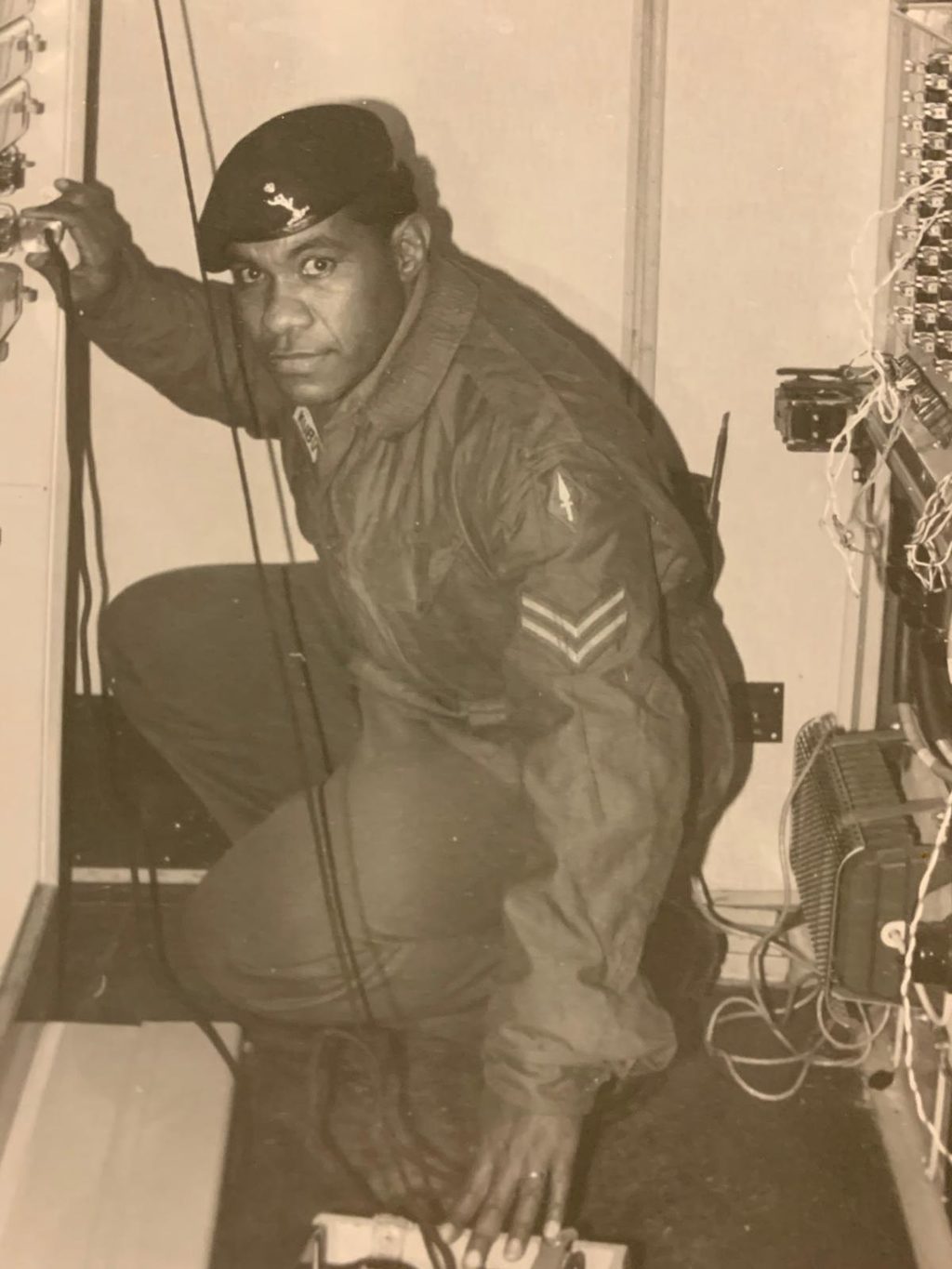
Born in Suva in March 1941, Alekisio Kubunavanua, or Alex Kubu, as he became known, arrived in Britain in 1961, aged just 20, joining the British Army alongside 200 Fijian men and 12 women. Of the men recruited, 34 were selected for the Royal Signals.
Alex quickly distinguished himself as a Radio Relay Technician, sportsman, rugby player and singer. Posted to 7 Signal Regiment in Germany, he built friendships across cultures and met Erika, a young German woman; they married in 1967, despite the social prejudices of the era.
His greatest legacy was perhaps the people he shaped. At the Army Apprentices College in Harrogate, he became a Sergeant Major and mentor to generations of young soldiers, teaching “his boys” the value of teamwork and camaraderie, including one who went on to become a Brigadier and remains in touch with Alex’s family today.
His daughter, Christina Kubu, remembers him as a role model, coach and a humble man with a great capacity to love and be loved. Sixty-five years after the first 212 stepped forward, Alex’s story reminds us that diversity is not merely something to acknowledge; it is a source of strength and enduring legacy.
Isikeli “Keli” Maravu Nacamavuto: A Legacy of Service
Born in Qaravu, Gau, Keli travelled to Britain as a young bachelor in November 1961. He joined the Royal Engineers, served for nine years, and worked as a Sapper, combat engineer and plant fitter, forging lifelong friendships with fellow 212 soldiers along the way.
His greatest contribution came after his own service. Drawing on his experience of adapting to Britain, he became a mentor and sponsor to numerous young Fijian men and women joining the British Army, helping them prepare for entrance exams, accompanying them to Army offices in Wembley, and supporting them through to passing out. His daughter, Marjorie Dunne, remembers him as a brilliant dancer and singer, a lovable character throughout his life. The families of the original 212 grew so close that their children now affectionately call one another cousins.
After the Army, Keli worked on North Sea oil rigs until a serious accident left him paralysed, facing numerous operations including two knee replacements. He had to relearn how to walk, yet retained remarkable upper-body strength, and above all, his positive spirit.
Stories like theirs are the reason the British Fijian Veterans League exists today. Founded as part of the Fiji Society’s wider effort to make Fiji’s contribution to British public life visible, the League works to keep the memory of the 212 alive and to formally recognise their service. In 2024, it marched with five veterans in the Remembrance Day Parade in Whitehall; this November, it will march with thirty.
n part 2 – next Saturday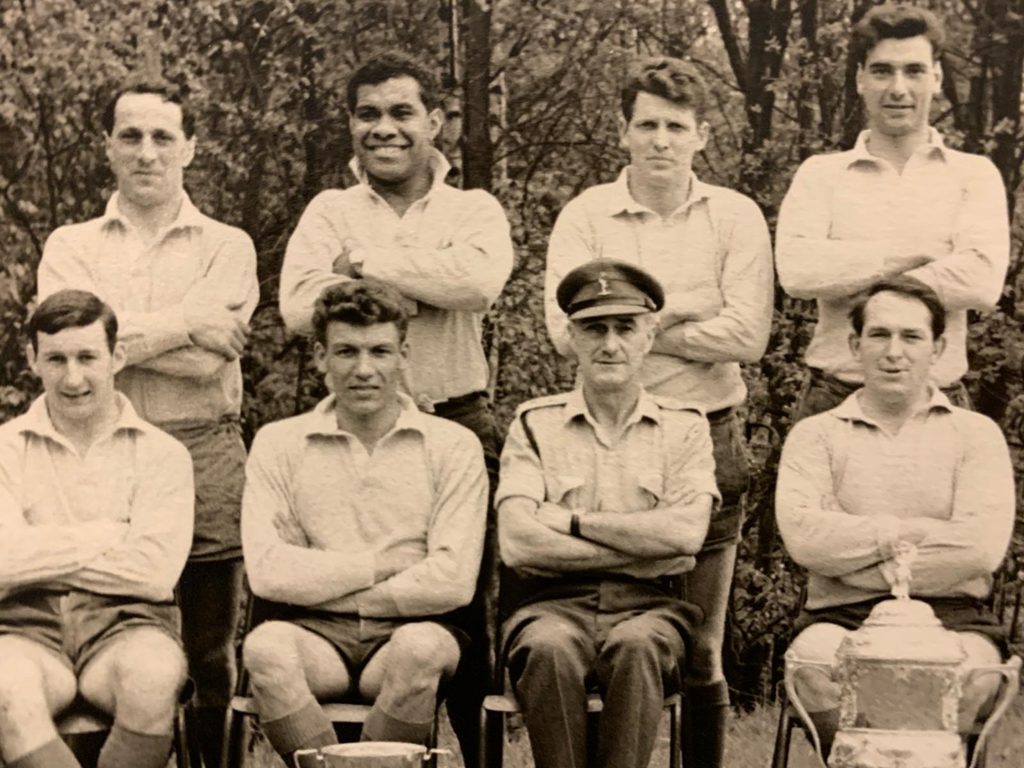
Alekisio Kubunavanua with the rugby team. Picture: SUPPLIED
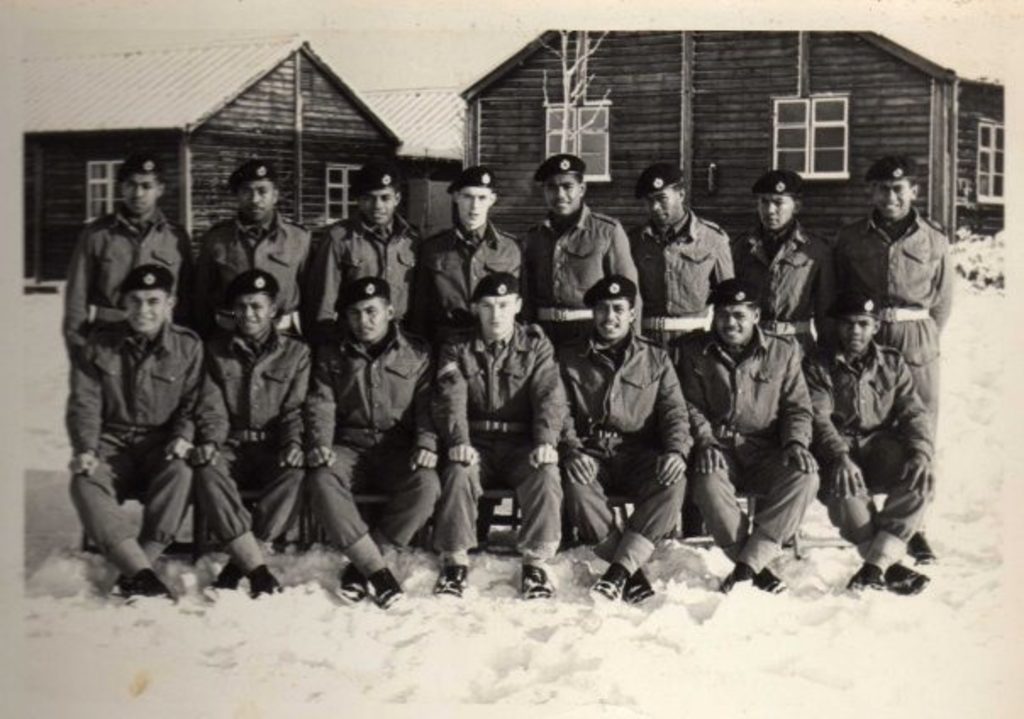
Isikeli Maravu Nacamavuto, back row 3rd right. Picture: SUPPLIED
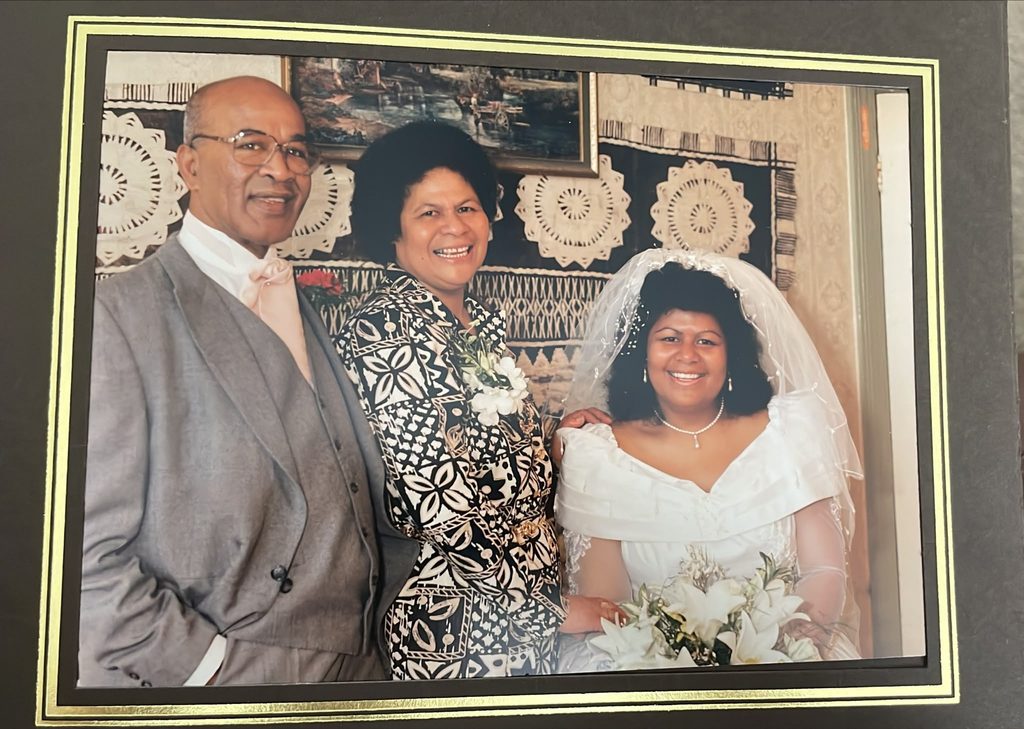
Isikeli ‘Keli’ Maravu Nacamavuto with his wife and daughter Marjorie Dunne.
Picture: SUPPLIED
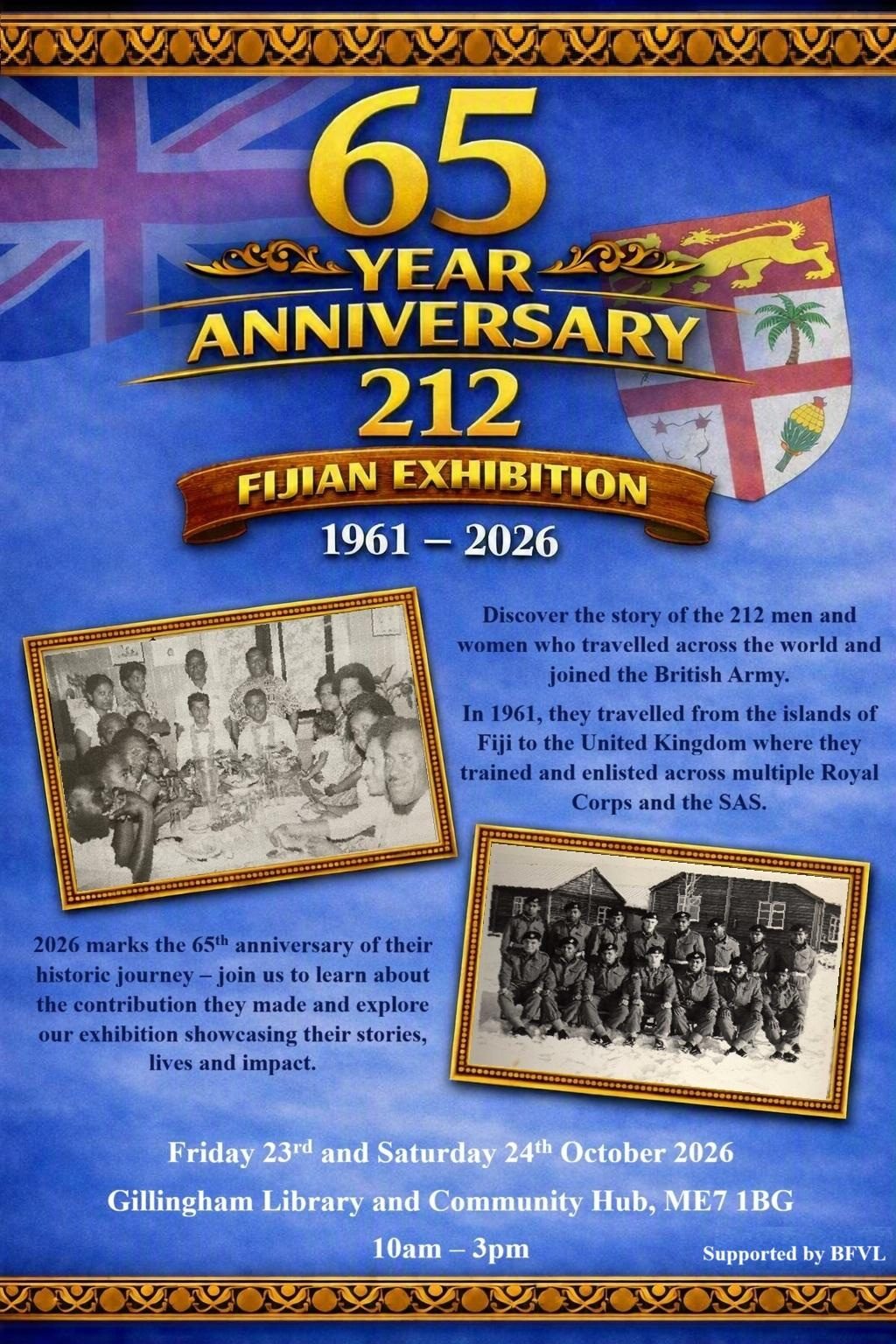
Upcoming event in UK on the 212 Exhibition. Picture: SUPPLIED