The Ministry of Tourism and Civil Aviation is embedding an International Visitor Survey into its World Bank-backed Na Vualiku Programme to ensure future commercial decisions are “made on evidence rather than impression” for the Northern Division.
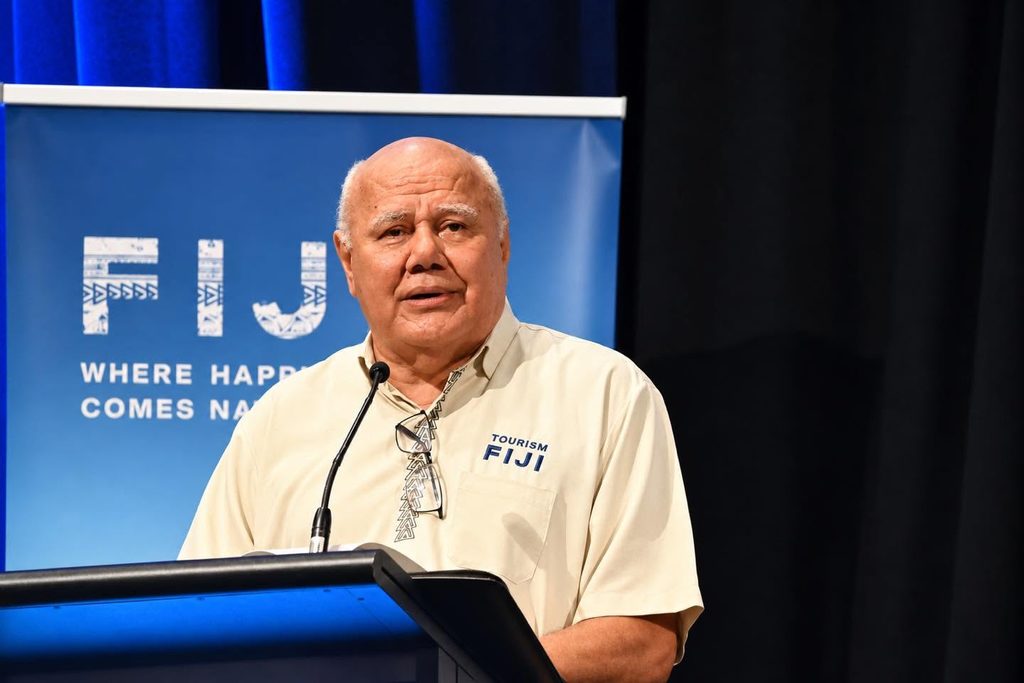
Responding to a parliamentary question on the 25-year Integrated Tourism Master Plan for Vanua Levu and Taveuni, Deputy Prime Minister and Minister for Tourism Viliame Gavoka said the localised survey would track precisely “who comes to the North, why, for how long, (and) what they spend”.
“Each of those is a piece of the 2050 picture, and it is underway today,” Mr Gavoka said.
This emphasis on empirical evidence comes as the ministry addresses a stark underutilisation of existing commercial capacity.
The Northern Division presently receives about 72,000 tourism arrivals a year, split “roughly half from overseas and half from within Fiji”.
Yet, while the division holds 948 rooms in 116 licensed establishments, Mr Gavoka noted that “on average, those rooms are occupied one night in three”.
The 17-month master-planning exercise looks ahead 25 years to 2050.
Financed by the World Bank, the plan is being executed by an “international joint venture of specialist firms” working on “Terms of Reference cleared by the Bank” and supervised by the ministry.
It has been “built from the ground-up” using community workshops held in February in Labasa, Savusavu, Nabouwalu, and Taveuni.
What was shared in those rooms by provincial and traditional leaders, landowners, tourism operators, and businesses has actively shaped what the plan recommends, he said.
When finalised, Mr Gavoka said the exercise would give the North, for the first time, a spatial plan mapping where tourism development should go and where it should not; a costed pipeline of the infrastructure that growth depends on; and a targeted strategy for matching markets and products to the region.
By pinning these pipelines to data from the ongoing International Visitor Survey, he said the state aimed to meet the standard of the best plans in comparable island states and provide a definitive set of measures “against which this House can judge progress year by year”.