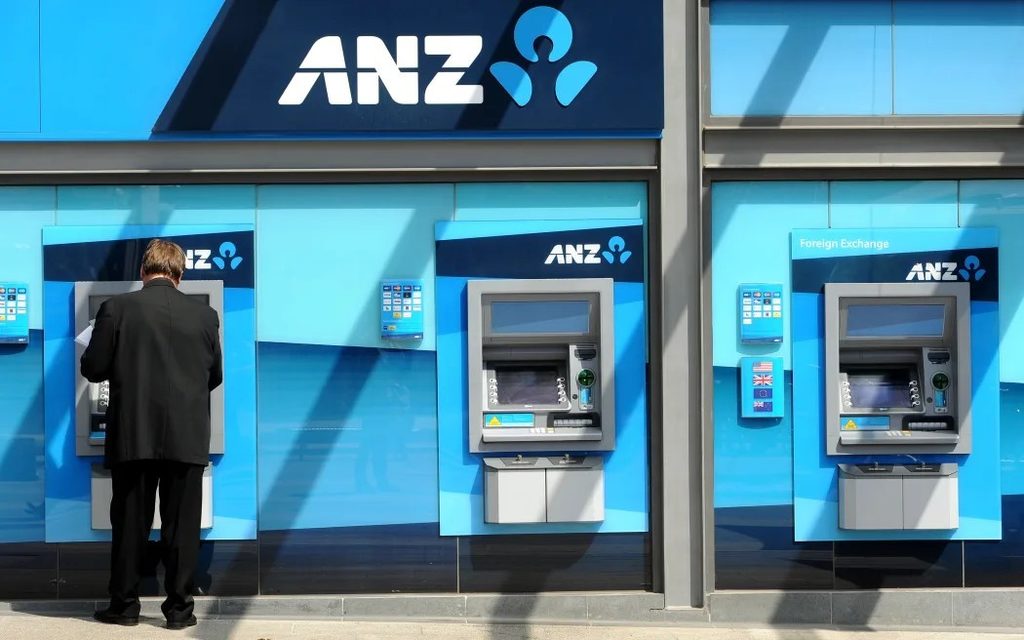
ANZ customers and members of the public are being warned not to hand over personal documents or banking information to callers claiming to represent the bank, amid reports of impersonation scams targeting people in Fiji.
The scammers are reportedly making unexpected phone calls and asking for account numbers, identification documents, birth certificates and source-of-funds information under the pretext of updating customer records.
In a statement, ANZ said the calls were not limited to its customers, raising concerns that members of the wider community could also be targeted.
ANZ Head of Retail Pacific Melanie Culling urged people to verify unexpected calls before disclosing any information.
“Scammers can sound convincing and may create a sense of urgency to encourage people to share information or act quickly,” Ms Culling said.
“If you receive an unexpected call, message or email claiming to be from ANZ, stop and check before doing anything.”
She warned customers never to disclose sensitive banking details or transfer money to accounts presented as safe by callers.
“Never share sensitive banking information such as your PIN, card security code, ANZ Shield code or one-time passcodes, and never transfer money to a so-called ‘safe’ account at someone else’s request.”
ANZ acknowledged that it may legitimately contact customers to update their information or meet customer identification requirements.
However, anyone uncertain about a request should end the call and independently contact the bank through its official channels before providing documents or details.
The bank encouraged the public to follow three steps — Stop, Check and Protect — to reduce the risk of falling victim to the scams.
Customers should stop before acting on unexpected requests, independently check the identity of the caller using official bank contact details, and protect their information by refusing suspicious requests.
ANZ also warned people to be cautious about unexpected links, external websites, software downloads and requests to provide personal documents or grant remote access to their devices.
The bank said it had been displaying warnings about impersonation scams to customers through Internet Banking and the ANZ App and would continue its awareness messaging.
Anyone who believes they have disclosed personal or banking information to a scammer, or transferred money as a result of a scam, should contact ANZ immediately through an official contact channel.