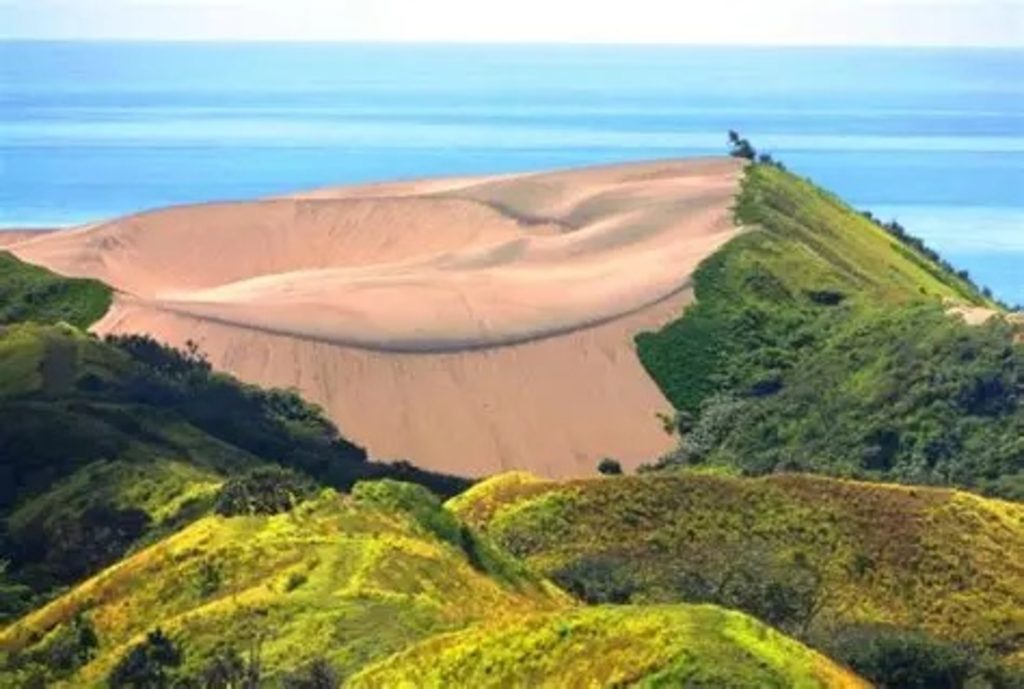
Stretching along Fiji’s Coral Coast, the Sigatoka Sand Dunes stand as a remarkable meeting point of nature, culture and history. Recognised as Fiji’s first national park, the dunes protect a unique landscape of shifting sand, native vegetation and archaeological treasures that tell stories of Fiji’s early inhabitants.
Located at the mouth of the Sigatoka river, the park covers a vast coastal area shaped by wind and waves over thousands of years. Beyond its striking scenery, the Sigatoka Sand Dunes are also an important archaeological site, making them a place where Fiji’s natural and cultural heritage come together.
Today, the dunes remain one of the country’s significant protected areas, attracting visitors who come to experience its rugged landscape and learn about the history preserved beneath its sands.
The Sigatoka Sand Dunes are one of the unique natural wonders of Fiji. Over 650 acres of sand dunes and dry forests form the distinctive landscape of the area. Almost 50 per cent of this special landscape has been protected within the National Park since 1989.
Biodiversity
Plant species in the Park are a diverse mixture of native and introduced species. Its native tree species are floristically unique, having adapted to an environment of shifting sands.
The Park forests are home to over 37 species of birds, eight of which are endemic to Fiji. This includes the Fiji Bush Warbler, Fiji Goshawk, Many coloured Fruit Dove and the Fiji White- Eye.
Explore further and you will find Skinks, Lizards, Geckos, Fruit bats, Fijian Swallowtail Butterfly and the cryptic Pacific Boa, who also find refuge in the Park’s diverse habitats.
Archeology and Lapita History
The Park holds significant clues to man’s first arrival in Fiji. In the late 1940s a team of archaeologists uncovered an ancient burial site with over 50 individuals. These archaeological remains have been dated to approximately 2600 years ago. Pottery shards and other cultural materials found within the Park have led experts to believe that these early inhabitants are of Lapita origin. Lapita is an archaeological site in New Caledonia where similar pottery was first discovered.
The Park has produced the largest collection of complete and near complete Lapita pots from the Pacific region. Today, evidence of the past is clearly visible throughout the dune system as stone tools, human remains, and pottery continue to be uncovered by natural possesses. Many unearthed artifacts are on display at the Fiji Museum in Suva.
Special programs
Special team-building programs with environmental themes for children and adults are offered at the Park. These include a range of group activities such a birdwatching, Tree Planting, Sand Sculpture, Beach Tepee and Tree Huggers. These hands-on programs encourage team spirit and a closer relationship with nature.
Walking trails
Visitors can take either of the two Walking Trails. The short trail or Yatole kaleka Walk is an hour long walk with bird watching. The longer trail or Yatobalavu Scenery is a two-hour walk with birdwatching and dune climbing. You should not walk during the hottest time of the day! (between 1pm– 3pm)
Visitor information centre
Your first point of introduction to the National Park will be at the Visitor Information Centre. Here you will find information on the fascinating history of the Park and the region. Park Rangers will provide you with assistance or guided tours on request.
Opening hours
Monday-Sunday 8am-4:30pm (excluding 1pm-2pm);
Also, open on Public Holidays.
*Arrangements can be made if you wish to visit the park before or after the opening hours. However, this will incur additional fee costs.
Access) Queens Rd, Sigatoka, Viti Levu, Fiji.
The Park lies along the main Queen’s Highway, in the Coral Coast region. It’s a 10-minute drive from Sigatoka Town, right after Volivoli Village, on your way to Nadi. Keep a lookout for the Park’s billboard.
The Sigatoka Sand Dunes remain a special part of Fiji’s natural and cultural heritage. As the country’s first national park, the dunes offer visitors a chance to enjoy its unique landscape while learning about the history and traditions connected to the area.
Protecting this treasured site will help preserve its beauty and significance for future generations.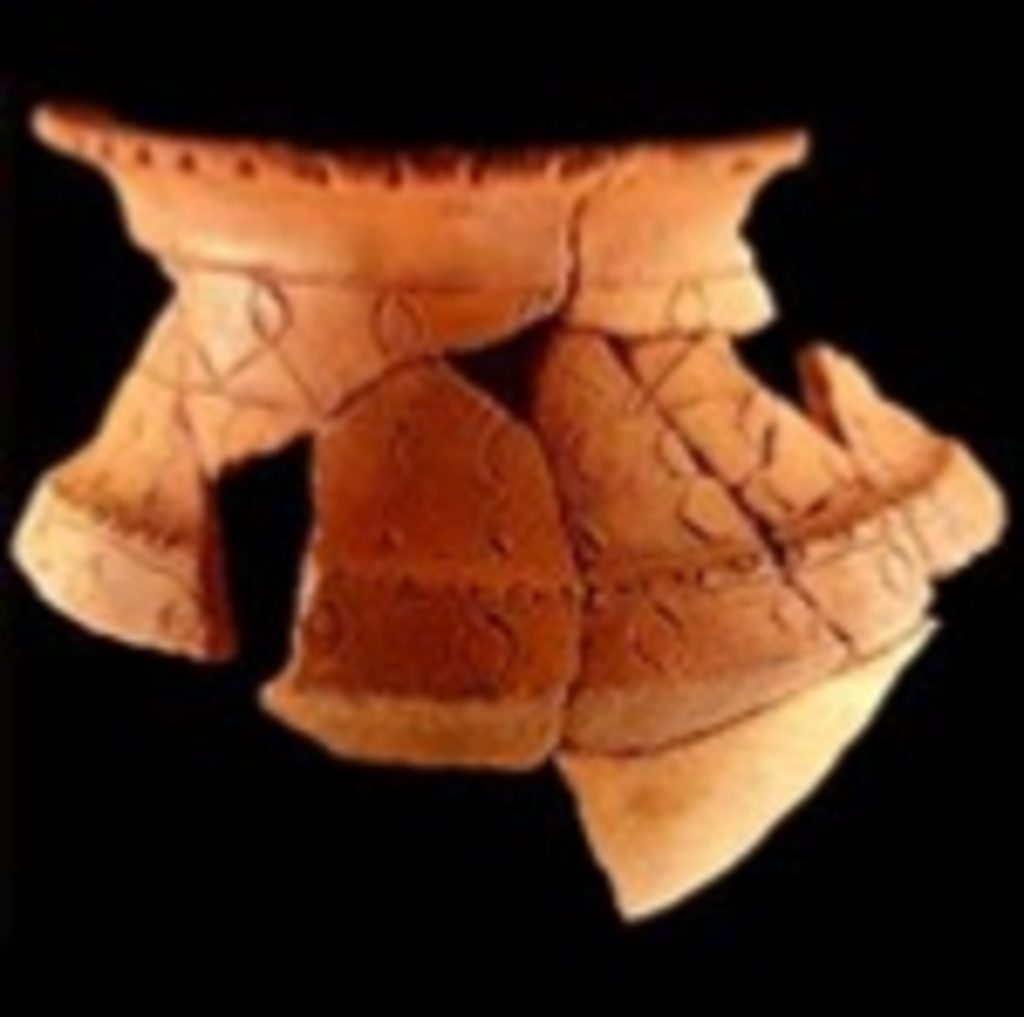
Late Lapita pottery.

Human burials dating to app. 1650 to 1500 years ago.
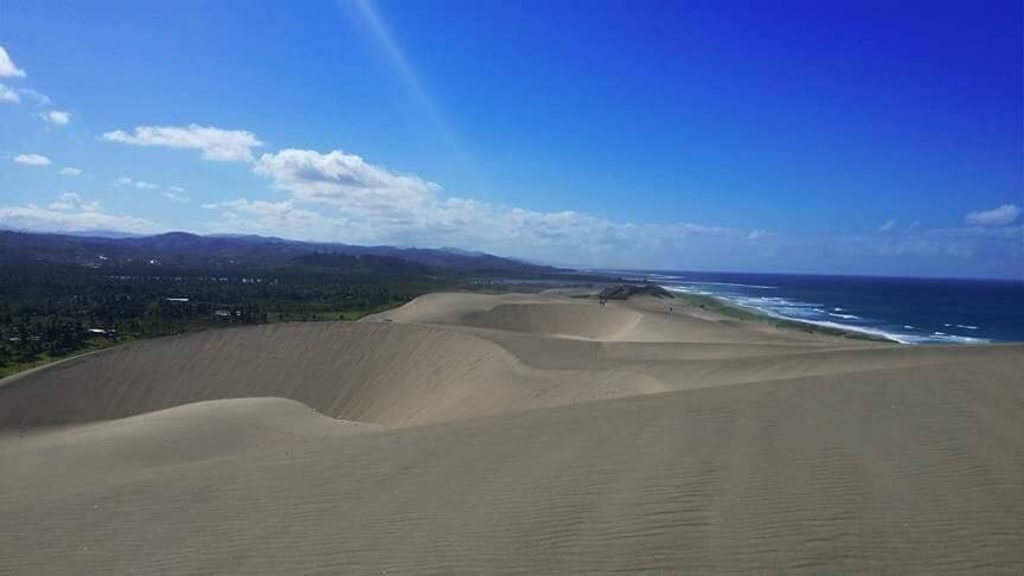
Beautiful Scenery at the Sigatoka Sand Dunes.
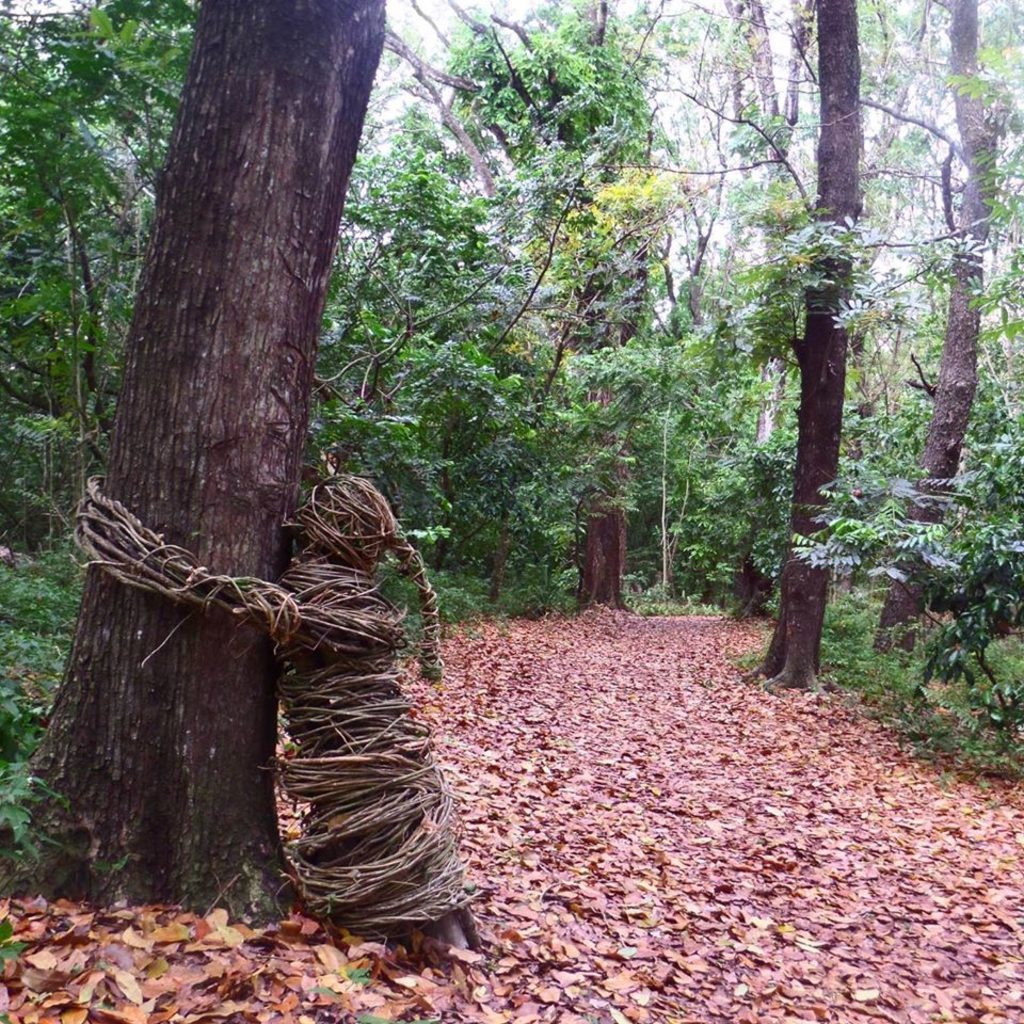
Tree-Huggers-at-the-Park, Trail on the way back to the Visitor Information Centre.
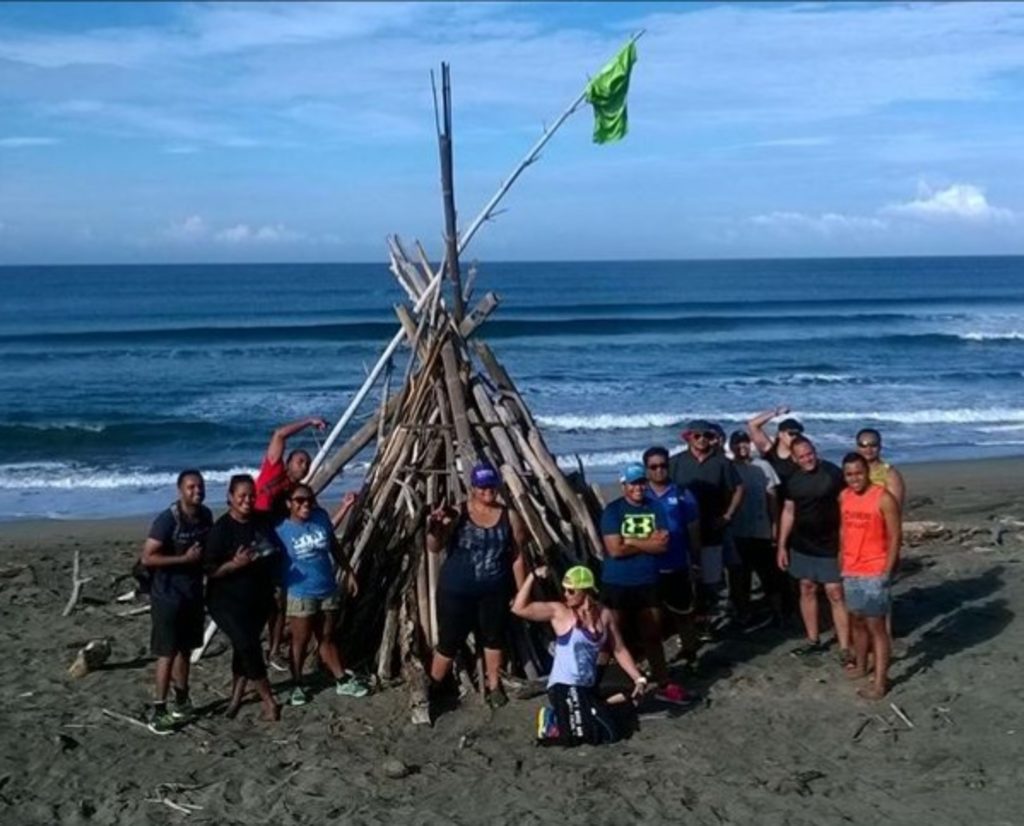
A group poses on a sandy beach next to a large, teepee-shaped wooden bonfire structure, with the ocean in the background.