FIJI has formally declared HIV a national emergency, highlighting the urgent need for greater awareness, testing, early treatment and continued care.
The declaration, announced in September 2026, follows a significant rise in HIV infections in the country. According to WHO, an estimated 9100 people were living with HIV in Fiji in 2025, yet only 39 per cent knew their HIV status and about 22 per cent were accessing treatment.
While HIV is primarily known for weakening the immune system, it can also have serious consequences for the eyes and vision, particularly when the infection remains untreated and the immune system becomes severely weakened.
HIV attacks the body’s immune system, particularly CD4 cells that help protect us from infections. As these cells decline, the body becomes increasingly vulnerable to infections and inflammatory conditions that can affect different parts of the eye.
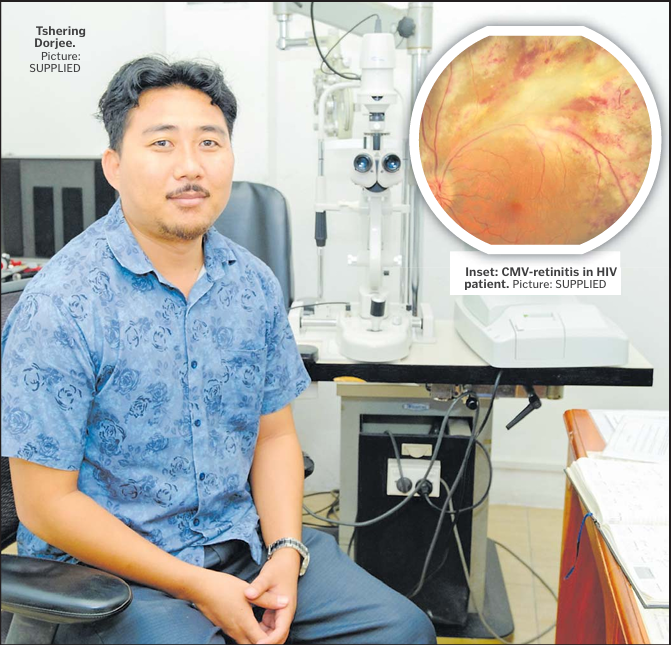
One of the most serious eye complications associated with advanced HIV is cytomegalovirus (CMV) retinitis. CMV can infect the retina, the light-sensitive tissue at the back of the eye. It may cause blurred vision, floaters, flashes or missing areas in the visual field.
If untreated, the infection can progressively destroy retinal tissue and cause permanent vision loss or blindness.
Other infections can also become more severe when immunity is reduced. Toxoplasmosis, for example, can cause inflammation and scarring of the retina.
Depending on where the retinal damage occurs, it may significantly affect vision.
Herpes viruses and other infections can also affect the cornea and retina in people with weakened immunity.
HIV can also cause changes in the small blood vessels of the retina. These may include retinal haemorrhages and cotton-wool spots, which can sometimes be detected during a comprehensive eye examination even when the patient has few visual symptoms. This is one reason an eye examination is about more than simply determining whether someone needs glasses
Another condition that may occur is uveitis, or inflammation inside the eye. Symptoms may include redness, eye pain, sensitivity to light, floaters and blurred vision. Prompt assessment is important because untreated inflammation can damage structures responsible for clear vision.
The good news is that HIV is treatable.
Antiretroviral therapy (ART) suppresses the virus and helps the immune system recover or remain stronger.
Effective treatment has dramatically reduced many serious HIV-related eye complications, including CMV retinitis.
Achieving good viral suppression and maintaining treatment are important for protecting both general health and vision.
Fiji’s national emergency declaration makes public awareness particularly important. The Ministry of Health is expanding HIV testing, treatment and access to prevention measures , while strengthening follow-up care so that people diagnosed with HIV remain connected to treatment.
However, awareness must go hand in hand with compassion. HIV is a medical condition, not a reason for discrimination. Stigma and misinformation can discourage people from getting tested or seeking treatment. Protecting privacy, dignity and access to healthcare is an important part of Fiji’s response.
As optometrists, we have an important role in recognising changes in the eyes that may require further medical investigation. People living with HIV should maintain regular medical care and seek urgent eye assessment if they experience sudden blurred vision, new floaters or flashes, eye pain, redness, increased sensitivity to light or loss of part of their visual field. Protecting our vision starts with protecting our health.
In Fiji’s current HIV emergency, early testing, early treatment and continued medical and eye care can help protect both life and sight.