This poem was inspired by a friend in the United Kingdom, who is very fond of Whooper swans in the lake when they migrate from the frost of winter in Iceland and feels morose when they depart again from the UK.
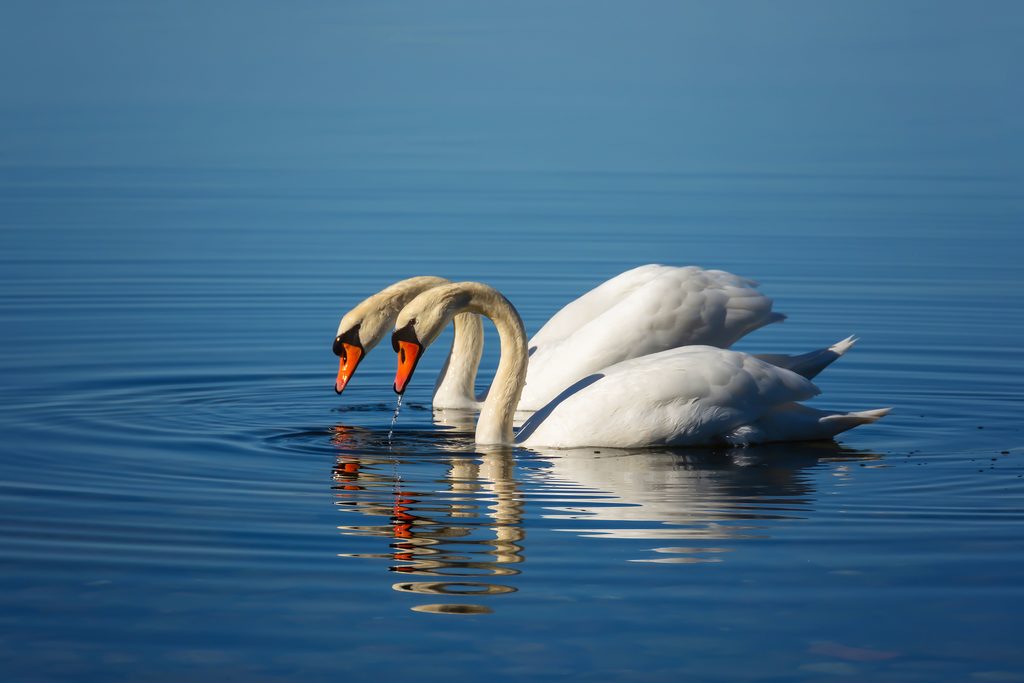
The Whooper swans are visitors to the UKand originate mostly from Iceland. The swans return in late autumn (October) and remain till spring (March). They can be seen in various locations across the country during this period.
They are large white swans with long necks and a distinctive yellow patch on their bill. The Whooper swans are protected by law and it is illegal to disturb them. Conservation efforts continue to protect the swans from threats such as avian flu and habitat loss.
The Whooper swan is associated with purity, grace and transformation in various cultures. They are a symbol of community spirit, endurance and joy; which also serves as a reflection of the achievements and challenges in the journey of life.
The prolonged duration of their migration serves as an example of personal growth and the values of trust and support in life. Therefore, their spiritual significance is as messenger birds – representing purity and fidelity.
Their loud call — referred to as ‘whoop-whoop’ — and impressive migration patterns — have transformed Whooper swans as themes for songs, dances and in folklore and art, particularly in Japan.
The migration patterns of Whooper swans reflects the cycle of nature – the cycle of life – to rest and reflect – and emerge renewed and rejuvenated.
From the four seasons; animal beings in hibernation; plants and flowers that fade away when their mesmerising moment in the light concludes, to one’s life transition from childhood to adulthood. Both nature and life exist in motion. Even in moments of silence, there is motion/emotion.
Nature rests and recuperates. People rest and reflect. The movements of motion are soft, subtle, serene and often undertaken in the splendour of silence, which is why it may be a challenge to observe — and yet it awakens to its cycle at the designated time.
This cycle is particularly prominent in nature. Each season honours their promise — from buds and blooms to the frost of winter fair.
Likewise, the cycle of life — like the Wheel of Dharma — keeps turning and sometimes — returning. Like the seasons of nature. The chapters of life keep turning. Transforming.
Like the swans in the lake who float by today and fly away tomorrow — many people are also in a state of silence and sound. A state of awakening and a state of slumber. The duality of life.
A spiritual awakening is a profound shift in consciousness, characterised by deeper self- awareness, increased empathy and a sense of unity with nature. It often encompasses a vivid perception of life, the surrender of self and a connection to their surroundings. This signifies a shift from an ego-centric to a world-centric perspective.
A vivid perception of life also leads to an intuitive knowledge of the world, rather than dependence on belief. Often, such people also experience an altered sense of time and identity.
Four stages of awakening have been identified;
1. Perceptual awareness — their surroundings appear more vivid and beautiful, which heightens their appreciation;
2. Subjective awareness — inner self — reflection and self-awareness;
3. Intersubjective awareness — a stronger sense of empathy, compassion and connection; and
4. Conceptual awareness — a broad, world-centric view and identity.
There are both subtle and vivid signs of a person who may be in the transition phase of an awakening. These include;
1. Heightened intuition;
2. A re-evaluation of beliefs;
3. Increased sensitivity to injustice;
4. A desire for authenticity;
5. A connection to nature;
6. A connection/compassion for the situation of other people; and
7. A reduced interest in material matters
“Those who awaken transcend ordinary existence, seeking knowledge and freedom beyond wordly attachments. Like swans, they rise and leave the lake. In the air, they rise and fly an invisible course. They have seen how to break free and few can follow their path.”
– Gaumata Buddha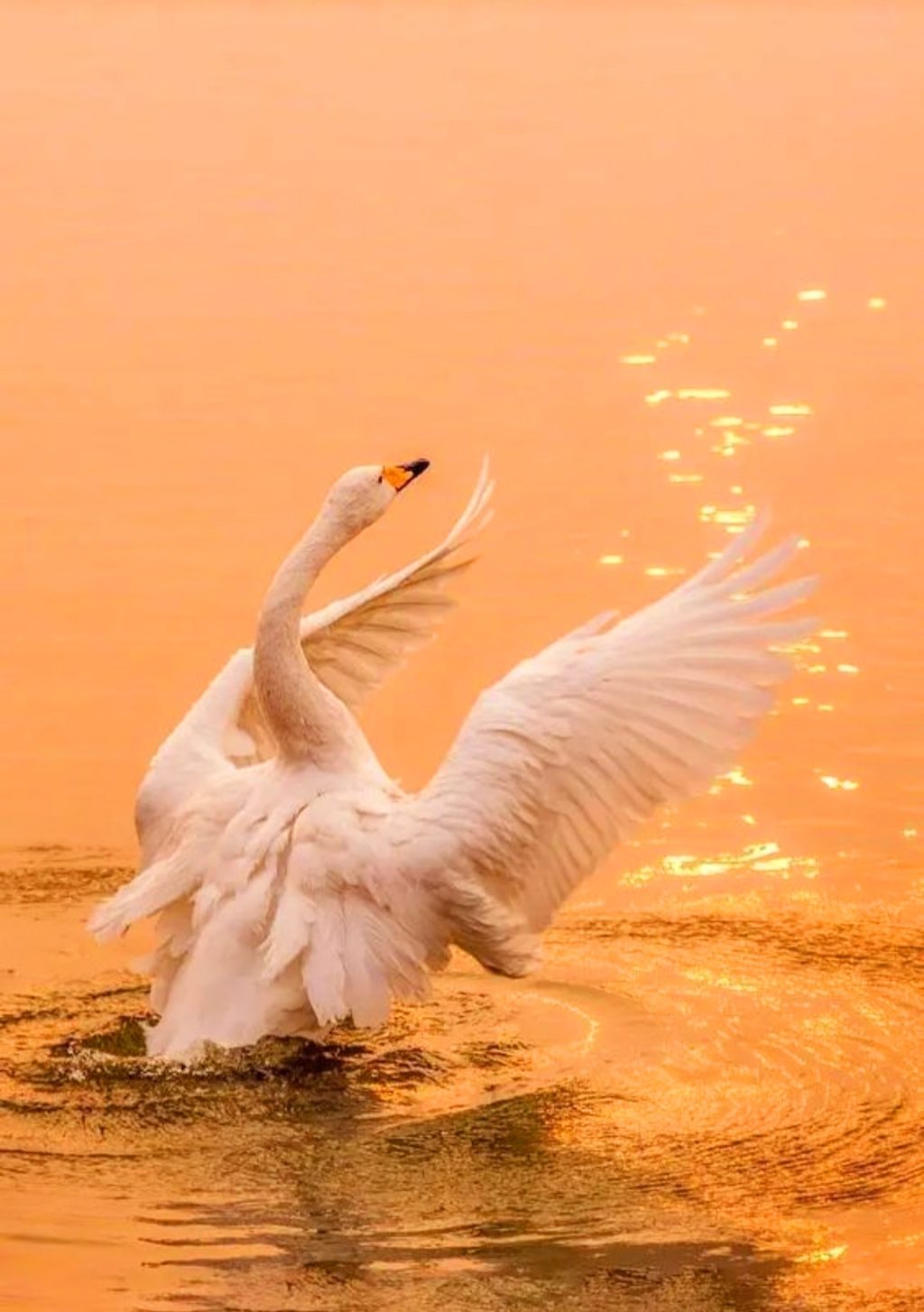
Where the water ends, a swan’s journey begins. Picture: SUPPLIED GRAPHIC