The challenge to save employment and the future of work was to strategically position labour market policies, laws, institutions and practices to ensure that minimum employment standards and social protection created were fair, decent and compatible with the needs of both the workers and the employers.
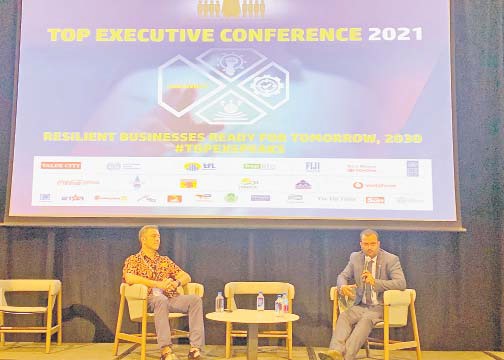
These were the words of Assistant Minister for Employment, Productivity and Industrial Relations Alvick Maharaj during TOPEX yesterday.
“I must thank all those in this room who have been part of our progressive Labour reforms through Employment Relations Advisory Board (ERAB) and the National Occupational Health and Safety Board (NOHSAB), commitment and contribution over the years resulting in a very successful reform – thank you for your participation,” he said.
Mr Maharaj added the Fijian Labour Reform was part of the Government reform and was designed to establish labour standards which were fair to both workers and employers.
These included preventing discrimination in workplaces by introducing equal employment opportunities, ensuring a sage and healthy workplaces, promoting orderly individual and collective bargaining through the introduction of Good faith, settle employment grievances and disputes speedily by mediation or court and to encourage consultation and dialogue between management and workers in the workplace for better employment relations and therefore confidence in Fiji, greater productivity, development and therefore quality of life.
“The 2020 future of jobs survey data from the World Economic forum revealed that nearly half of all workers will need reskilling.
“Employers are increasingly recognising the value of investing in their employees’ skill development – millions of employers globally and thousands here at home are expected to see a return on investment in reskilling and upskilling their workforce to ensure a better and productive workforce for the future. “This reskilling is to save the future of work which is increasingly moving through online platforms (e.g. work from home), something that we can easily adopt given our ICT connectivity rate and better ICT platforms through the service providers,” he added.
The consequences of the pandemic for countries like Fiji was stated to also suffer from the effects of climate change in the midst of the pandemic.
Mr Maharaj said the increased vulnerability as a small island nation was widened even more, hence a clear message by the Prime Minister at the recent global meeting of the world leaders’ summit in Glasgow.