As businesses, governments and communities across Fiji and the Pacific accelerate digital transformation, an important reality is emerging technology costs are rising, and global supply chains remain under pressure.
During the past 18 months, manufacturers have reported tighter availability of enterprise storage, semiconductors, advanced computing hardware and AI-optimised infrastructure. Although supply chains were expected to stabilise after the pandemic, the rapid growth of artificial intelligence has created a fresh wave of demand and reshaped production priorities worldwide.
Major technology companies are investing billions of dollars in “AI factories” and hyperscale data centres. These facilities require enormous volumes of storage, high-performance processors, memory and networking equipment. Manufacturers are therefore directing capacity towards unprecedented global demand, contributing to shortages, price increases and longer lead times across multiple product categories.
This is not limited to one vendor. Lenovo, Dell Technologies, HP Inc., Hewlett Packard Enterprise and major distributors have highlighted the effect of AI infrastructure demand on availability, pricing and delivery. Rising fuel and freight costs, uncertain tariffs and trade policies, and geopolitical tensions are adding further volatility to technology supply and critical raw materials.
For customers across Fiji and the Pacific, the implications are immediate. Vendor quotations are usually valid for limited periods, while organisational evaluation, approval and administrative processes can take much longer.
By the time a decision is made, customers may face several manufacturer price revisions and ultimately pay more for the same solution.
Delays also affect project delivery. Products may need to be reordered against new production schedules, extending lead times and postponing digital initiatives. Datec therefore encourages organisations to engage vendors early, develop technology roadmaps, and align approvals with quotation validity.
Timely planning can protect pricing, reduce project risk and support delivery within budget.
This planning is especially important in the AI era. AI is already transforming customer service, analytics, software development, agriculture, healthcare, education and financial services.
Yet successful adoption depends on more than software. Organisations need sufficient computing power, storage, network performance and sound data management to unlock value responsibly and at scale.
Cybersecurity requirements are also evolving rapidly. Criminals increasingly use AI to automate attacks, produce convincing phishing messages and identify vulnerabilities at scale.
This is driving demand for AI-enabled security solutions that can detect threats sooner, respond in real time and protect organisations from increasingly sophisticated risks.
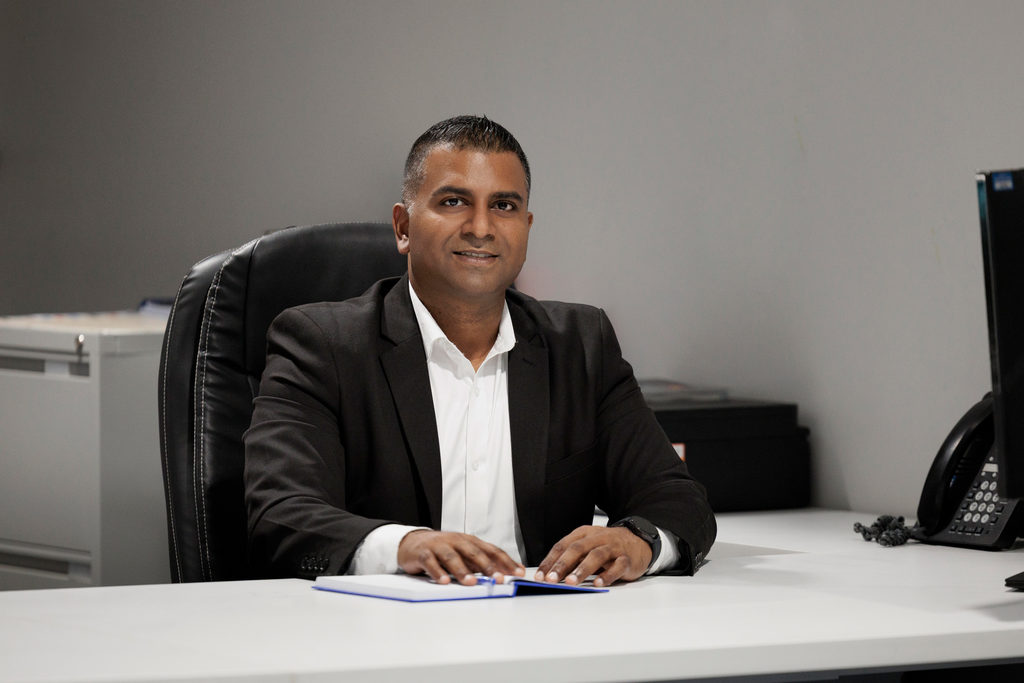
“Technology is more than an operational tool; it is a strategic enabler of growth, innovation, resilience and national development,” says Vinit Vishaal Nand, CEO of Datec Fiji.
“Organisations that invest proactively and decide promptly will be better placed to capture AI opportunities while remaining secure and competitive.”
These issues will take centre stage at the Fiji Tech Summit 2026, scheduled for November 12-13 in Nadi. More than 25 leading global technology vendors and over 300 delegates from Fiji and the Pacific are expected.
Business leaders, government officials, policymakers, entrepreneurs and technology professionals will be able to engage directly with experts on AI, cybersecurity, cloud computing, digital infrastructure and supply chain management.
Technology remains a powerful enabler of efficiency and resilience. In a market where demand is accelerating and supply is constrained, organisations that plan ahead, make informed decisions and invest strategically will be best positioned to thrive. The future is being built today; the real question is how quickly organisations can secure the tools needed for success.