Leadership Fiji cohort of 2009 alumnus Ioane Nawaikula defines leadership as not about being at the front — it is about empowering others, serving communities and turning values into action.
Seventeen years after joining the program, Nawaikula continues to carry with him a lesson that has shaped both his professional journey and his humanitarian work — leadership is ultimately about giving back.
His journey with Leadership Fiji began in 2009, although joining the program was not initially part of his plans.
A past participant had repeatedly encouraged him to apply, but Nawaikula was not particularly interested.
That changed after his former boss, who knew the founders of Leadership Fiji, introduced him to them during their visits to the Foundation for Rural Integrated N Development (FRIEND), where he was working.
Coming from a development and NGO background, Nawaikula was intrigued by the opportunity to see leadership through a different lens.
“I was looking from a lens of a Governance Officer,” he said.
What followed became an experience that would influence his understanding of leadership long after the program ended.
The lesson of giving back
One of the strongest legacies of the Leadership Fiji experience for Nawaikula has been its reinforcement of the importance of service.
The program strengthened his commitment to giving back to communities and, he says, took his humanitarian work “to another level”.
That commitment has remained evident throughout his work, with development projects involving children, young people, women and communities.
But Leadership Fiji also taught him that leadership does not have to be an overly serious pursuit.
The experiential journey undertaken by his cohort created an environment where participants could learn while also enjoying themselves.
Nawaikula stressed that was an important lesson in itself.
He believes leaders and workers need space to practise self-care, enjoy what they do and feel free to express themselves.
The program also encouraged participants to speak freely and question accepted narratives — something he believes should be encouraged within workplaces.
“Having fun is part of the Leadership journey,” he says.
For him, effective leadership means creating workplaces where people feel comfortable expressing themselves rather than simply feeling obliged to conform.
“Servant Leadership is more of me. I prefer to work in the background and continue to empower and push people towards their goals.”
A servant leader
Over the years, Nawaikula’s understanding of leadership has evolved through experience.
He says people have gradually learnt to trust his leadership, while his personal and professional experiences have taught him to balance competing considerations, judge impartially, lead with integrity and make sound decisions when confronted by complicated matters.
At the heart of his approach is servant leadership.
Nawaikula prefers to work behind the scenes, empowering people and encouraging them to pursue their goals.
His measure of success is therefore not necessarily personal recognition. It is the positive impact created in the lives of others.
He sees leadership as an opportunity to raise people to another standard and help them rallies their potential.
That philosophy has also shaped his view of what Fiji needs from its leaders today. Integrity, he says, is fundamental because it encompasses accountability, transparency and honesty.
But integrity must be accompanied by empathy — the ability to care about and understand the needs, thoughts and feelings of others.
Justice, peace and creation
Today, as JPIC Coordinator for the Mission of the St Columban in Fiji, Nawaikula’s leadership is closely connected to justice, peace and the integrity of creation.
His work focuses heavily on ecology and the relationship between people and the natural environment, including animals, plants, water, air and soil.
Working within a faith-based organisation, he connects environmental stewardship with the teachings of the Catholic faith, drawing particularly on the biblical account of creation in Genesis.
For Nawaikula, the deterioration of the planet and the impacts of climate change cannot be treated as distant or abstract issues.
They are matters that affect everyday life and require communities to reconsider how they live and how they treat the world around them.
His advocacy reaches children, young people, women and communities, with awareness at the centre of his approach.
Justice, peace and care for creation, he believes, are interconnected.
To be just is to respect rights and fairness. To build peace requires understanding. To care is to protect the environment and the world entrusted to humanity.
Leadership tested through service
Some of Nawaikula’s most significant leadership lessons have come through difficult circumstances.
He identifies funding as one of the biggest challenges facing leaders in the non-government organisation sector.
As director of the National Youth Council of Fiji, he has had to find ways of keeping an organisation serving young people alive and functioning. The council’s revival in 2023 meant rebuilding from the ground up, involving governance, management, human resources and programs.
For Nawaikula, much of that responsibility meant working alone while trying to restore the organisation.
It required patience, perseverance and commitment. But he believes passion for the work is what ultimately sustains a leader through difficult periods.
There are sacrifices involved, he says, and leaders must earn the trust of the people they serve. The experience strengthened him and pushed his leadership to another level, particularly through the demands of multitasking and keeping the organisation moving forward.
Building homes, building hope
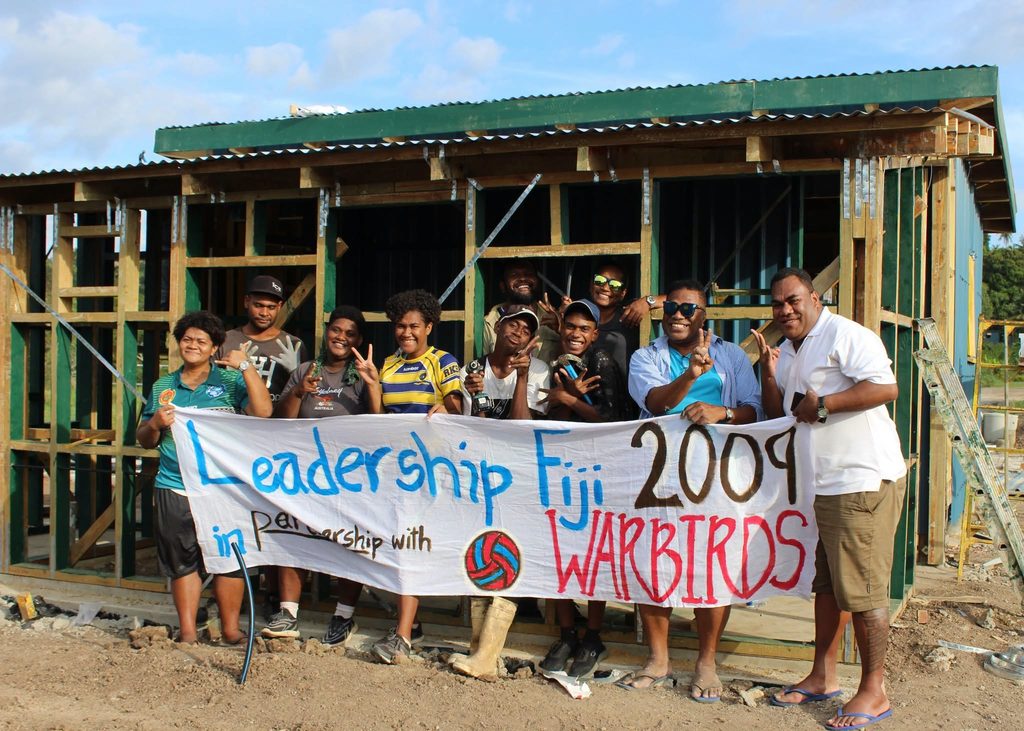
One of the clearest examples of Leadership Fiji’s enduring spirit of service came in 2022, when Nawaikula and members of the Class of 2009 volunteered to build a home in Koropipita.
Other Leadership Fiji year groups have also contributed to similar efforts.
For Nawaikula, the initiative demonstrated how a leadership network can translate values into tangible action.
The homes provide temporary accommodation for people who are underprivileged, disadvantaged, displaced or from lower socio-economic backgrounds.
The concept is deliberately cyclical. A family is given an opportunity to regain stability, rebuild its life and eventually move on, allowing another family in need to benefit from the same support.
It is a practical expression of the giving-back philosophy that Nawaikula says has remained with him since his Leadership Fiji experience.
Listening before leading
His approach to community engagement is similarly grounded in respect.
When working on issues that can produce difficult conversations or differing opinions, Nawaikula believes people must be treated equally regardless of age, gender, ethnicity, background or diversity.
Trust, he says, comes when people feel respected and confident enough to share their concerns.
That means inclusive consultations, listening carefully and respecting opinions even when they are not agreeable.
For Nawaikula, people are more willing to work with leaders when they know their voices will be heard.
Investing in the next generation
Looking ahead, Nawaikula believes Fiji has opportunities to develop a new generation of leaders, but leadership development must reach beyond traditional spaces.
He advocates for more decentralised programs in schools, universities and rural communities, alongside mentorship and volunteer opportunities.
He also believes intergenerational activities can help bridge the gap between younger and older generations, allowing young people to learn from the experiences of those who have gone before them.
He sees an important role for organisations such as Leadership Fiji in nurturing this culture through transparency, accountability, fairness and integrity.
In Fiji’s cultural context, he points to the importance of veirogorogoci — consultation — in families, communities and modern institutions.
A legacy measured in lives touched
Nawaikula’s advice to new Leadership Fiji participants is straightforward: treasure the year because it will not return. Make friends. Learn. Question the narrative. Take the lessons back to the community.
And, above all, give back. That final principle perhaps best captures the leadership journey he has travelled since 2009.
When he looks towards his own legacy, Nawaikula hopes people will remember projects that created positive impacts in communities and villages — work that inspires others to carry forward the same values of service.
Seventeen years after Leadership Fiji first became part of his journey, that philosophy remains at the centre of Nawaikula’s work.
For him, leadership is not simply a position to hold. It is a responsibility to act.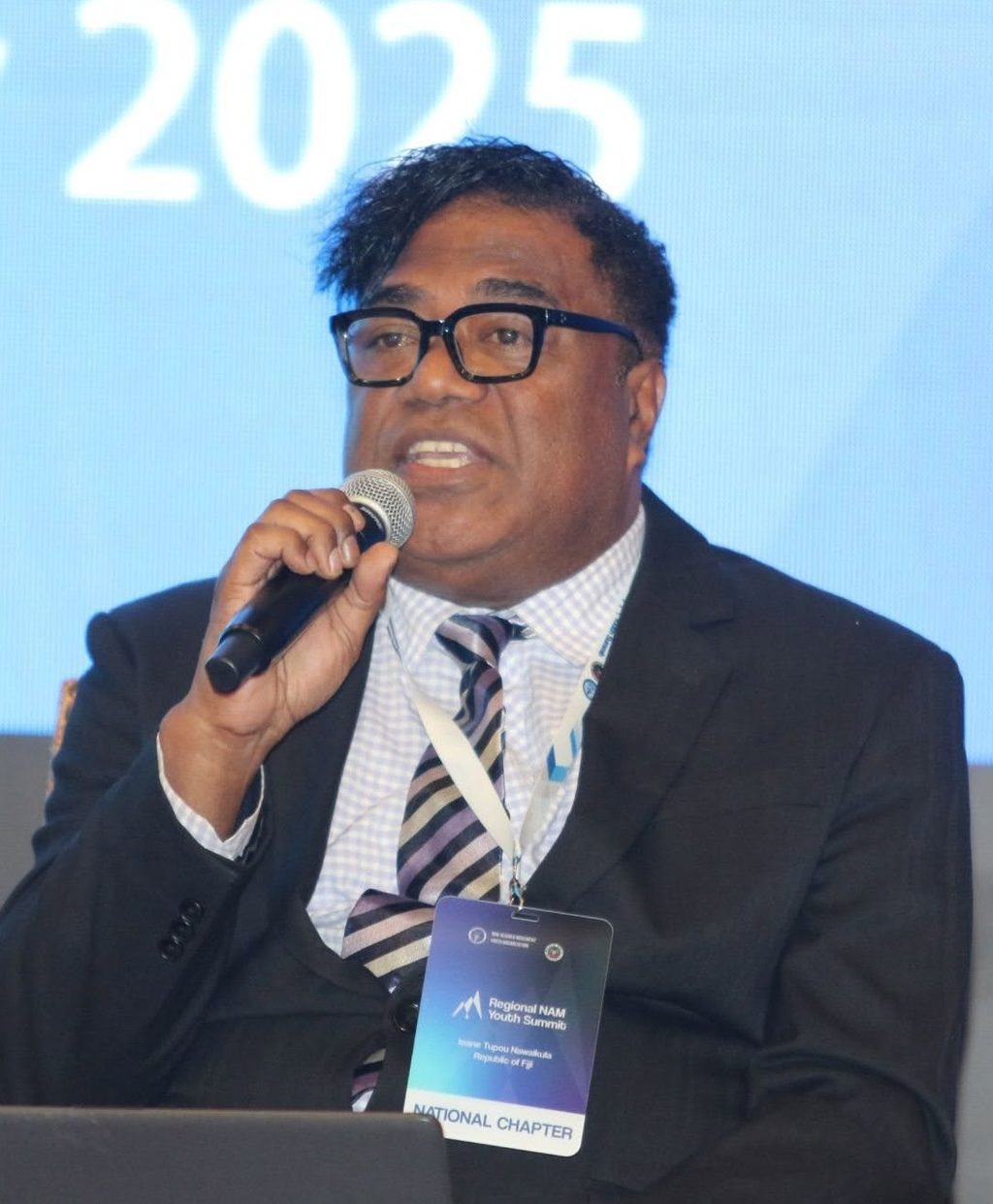
Ioane Nawaikula. Picture: SUPPLIED