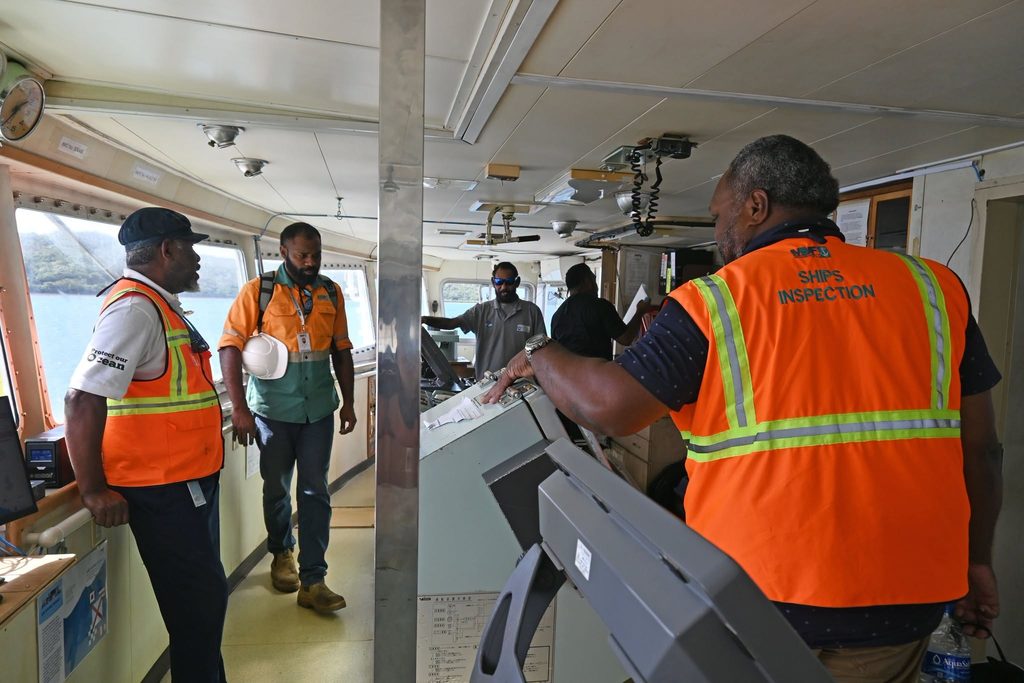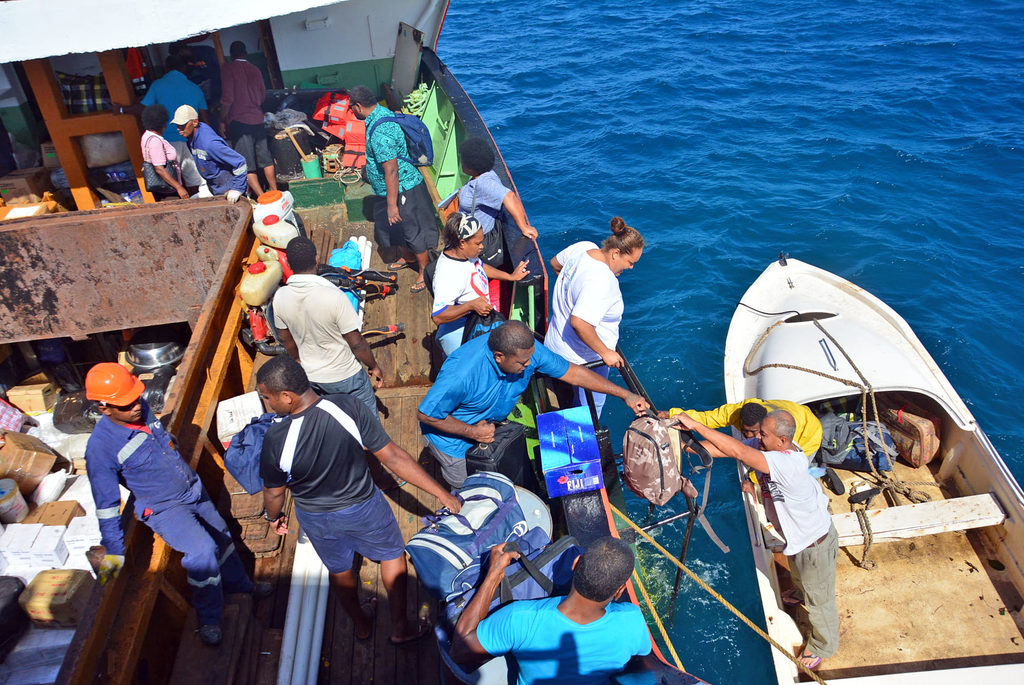
FIJI continues to produce enough qualified seafarers to meet the needs of the domestic shipping industry, despite concerns from some operators about recruiting experienced senior officers.
This was highlighted by the Maritime Safety Authority of Fiji’s in a media statement last week.
MSAF said the issue facing some shipping companies was not a shortage of certified Fijian seafarers but the limited availability of experienced senior masters and marine engineers, whose qualifications required years of sea service and operational experience.
“National certification records demonstrate that the overall number of certified seafarers continues to support the operational requirements of the domestic maritime sector,” MSAF said.
“The primary challenge reported by operators is not an absolute shortage of qualified personnel, but rather the immediate unavailability of experienced senior officers, such as senior masters and marine engineers with extensive command or senior operational experience.”
MSAF said advancing from a newly qualified officer to a senior master or chief engineer could not happen overnight, as it required several years of practical sea service, mentorship and operational experience.
The authority also pointed to market conditions as a key factor affecting recruitment.
“Recruitment challenges are heavily influenced by market factors, including employee preferences regarding working environments, health and welfare benefits, and the highly competitive remuneration packages offered both locally and abroad,” MSAF said.
The authority said Fiji currently did not offer training for the highest levels of certification, including STCW Class 1 and Class 2 Certificates of Competency.
Fijian officers seeking these qualifications generally obtained them overseas, where many later accepted positions on international vessels offering stronger career development opportunities and more competitive salaries.
Despite this, MSAF noted that Fiji’s current safe manning requirements for domestic shipping generally did not require Class 1 and Class 2 officers for most local vessels.
The authority also confirmed it had received preliminary enquiries from some operators about the possible engagement of foreign seafarers.
“MSAF reviews each request strictly on its merits, ensuring absolute alignment with Fiji’s maritime legislation, national employment policies, certification requirements, and government approval processes,” the authority said.
It stressed that its priority remained creating employment opportunities for qualified Fijian seafarers while ensuring vessels operated safely and complied with international safety standards.
To strengthen the local maritime workforce over the long term, MSAF said it was working closely with approved maritime training institutions, industry stakeholders and international partners to improve education and certification pathways.
Current initiatives include reviewing and updating Fiji’s Standards of Training, Certification and Watchkeeping (STCW) regulatory framework, expanding local training programs from operational to senior certification levels, and partnering with donor organisations to upgrade infrastructure and equipment at national maritime training institutes.
“MSAF remains fully committed to fostering a robust, highly skilled, and safe local maritime workforce that effectively serves the needs of our domestic shipping industry,” the authority said.