A NEW study from Lautoka Hospital is raising concern over the number of breast cancer patients in Fiji who are being diagnosed only after the disease has reached an advanced stage, highlighting the urgent need for earlier detection, faster treatment and stronger support for patients navigating the cancer-care system.
The retrospective study, led by surgical registrar Dr Rahul Krishna Reddy, examined 86 patients diagnosed with breast cancer at Lautoka Hospital in 2025. Its findings paint a picture of a disease that is frequently detected too late, with Stage IV cancer accounting for 38.3 per cent of cases.
For patients diagnosed at this stage, the median survival was approximately nine months.
The findings have implications extending beyond the hospital and the individual patient. Most patients in the study were women in their 50s and 60s, with the largest age group being those aged 51 to 60. Twenty-five patients, or 29.1 per cent, fell within that age group.
This means breast cancer is affecting many Fijians during years when they may be contributing substantially to their families, workplaces and the wider economy.
A disease detected too late
Perhaps the most striking finding was the length of time some patients lived with symptoms before seeking medical attention.
The median period between the onset of symptoms and presentation was six months. More than one in four patients—29.1 per cent—reported symptoms lasting longer than two years before seeking care.
The most common symptom was a painless breast lump, reported by 63 patients, or 73.3 per cent of the cohort.
That finding is particularly important because the absence of pain can create a false sense of security.
A breast lump does not have to be painful to warrant medical assessment. The study therefore points to the importance of civic education that encourages people to seek medical advice when they notice a new or unusual breast change, even when there is no pain.
Tumour size at diagnosis further illustrated the extent of the problem. More than half of the patients had tumours measuring between 2 and 5 centimetres, while another 33.7 per cent had tumours larger than 5 centimetres. Only one patient had a tumour smaller than one centimetre.
Ethnic disparities raise further questions
The study also identified a statistically significant association between ethnicity and advanced-stage presentation.
Among iTaukei patients in the cohort, 53.2 per cent presented with Stage IV disease, compared with 20.5 per cent of patients of Indian descent. The association was statistically significant, with a p-value of 0.017.The study does not establish why this difference exists.
The researchers point to a range of possible factors that warrant further investigation, including health literacy, cultural beliefs, healthcare-seeking behaviour, access to diagnostic services and socioeconomic circumstances.The finding highlights the need for further Fiji-specific research rather than assumptions about the reasons behind the disparity.
Although residence was not statistically associated with delayed presentation in this study, geography remains an important consideration. Almost half of the patients—47.7 per cent—came from rural areas, while 40.7 per cent were from semi-urban areas.
Only 11.6 per cent were from urban areas.
These figures underscore the importance of considering access to healthcare and diagnostic services when developing national cancer strategies.
Stage IV was the largest group
Of the 86 patients studied, 17, or 19.8 per cent, were diagnosed with Stage I disease. Twenty-four patients, or 27.9 per cent, had Stage II disease, while 12 patients, or 14 per cent, had Stage III disease.
Thirty-three patients—38.3 per cent—were diagnosed with Stage IV disease.
No patients in the study were recorded as having Stage 0 disease.
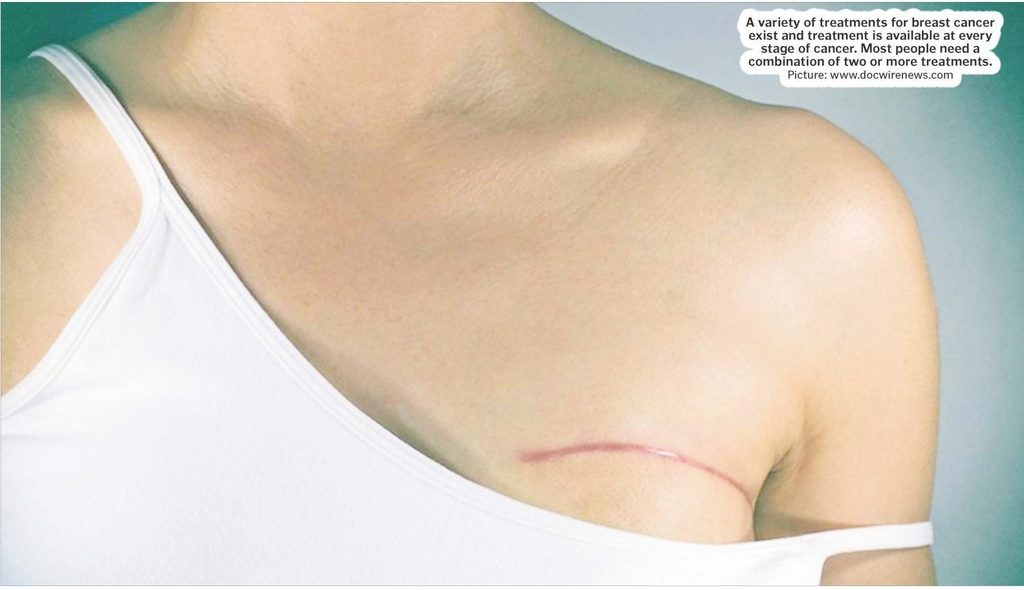
The distribution has important consequences for treatment. Advanced disease can limit the options available to patients and may require more extensive surgery, systemic treatment or palliative care.
In the Lautoka cohort, 58.1 per cent underwent surgery, while 19.8 per cent received palliative treatment and 22.1 per cent declined surgery.
Modified radical mastectomy was the most frequently performed surgical procedure, reflecting the advanced disease observed among many patients and the limited availability of breast-conserving treatment pathways.
Treatment delays add another challenge
Even after diagnosis, patients faced a further wait before definitive treatment.
The median interval between histological diagnosis and definitive treatment was 48 days, with an interquartile range of 28 to 73 days.
The study identifies several potential contributors to delays, including operating theatre availability, pathology turnaround times, oncology scheduling, financial barriers and patient-related factors.
For cancer patients, these delays can add to an already difficult period of uncertainty.
The researchers recommend strengthening multidisciplinary cancer services, establishing dedicated breast clinics and streamlining referral pathways to help shorten the journey from diagnosis to treatment. Treatment refusal remains a concern
The study also identified treatment refusal as a significant challenge.
Almost one in four patients—22.1 per cent—declined surgery, while 8.1 per cent declined chemotherapy.
The reasons for refusal were not established by the study, but the researchers identify several possible factors that should be explored, including fear of surgery, concerns about treatment toxicity, financial difficulties, cultural beliefs, misinformation, family influences and preferences for alternative treatments.
The findings point to the importance of patient-centred communication.
Culturally sensitive counselling, psychosocial support and accessible information about breast cancer treatment could help patients and families make informed decisions about care.
Survival closely linked to stage and tumour grade
The study’s mortality findings reinforce the consequences of late diagnosis.
Overall mortality was 22.1 per cent, and metastatic breast cancer accounted for 94.7 per cent of recorded deaths.
Statistical analysis identified cancer stage and tumour grade as independent predictors of mortality.
Patients with more advanced-stage disease had more than twice the risk of death in the study, with a hazard ratio of 2.20. Higher tumour grade was also strongly associated with mortality, with a hazard ratio of 7.16.
The survival analysis showed particularly poor outcomes among patients with Stage IV disease, whose median survival was approximately nine months. Patients with Grade 3 tumours also experienced substantially poorer survival than those with Grade 1 or Grade 2 tumours.
The findings underline a fundamental message from the study: detecting breast cancer before it becomes advanced can make a critical difference.
Building a stronger pathway from detection to treatment
The research argue that improving breast cancer outcomes in Fiji will require action at several points along the cancer-care pathway.
Public awareness campaigns could encourage people to recognise breast changes and seek assessment earlier. Screening and early-detection initiatives could help identify disease before it becomes advanced. Faster diagnostic and referral pathways could reduce the time between a patient’s first presentation, diagnosis and treatment.
The study also highlights the need for greater access to oncology and radiotherapy services.
For appropriately selected patients with early-stage breast cancer, breast-conserving surgery combined with radiotherapy can provide survival outcomes equivalent to mastectomy while offering different cosmetic and psychosocial outcomes. Expanding access to radiotherapy could therefore broaden treatment options for eligible patients.
Where local services remain limited, the study recommends strengthening financial support mechanisms, including medical insurance coverage and government-funded overseas treatment programmes, to help address treatment inequities.
A call for earlier action
Despite the challenges surrounding late presentation and access to treatment, the study found generally favourable surgical outcomes among those who underwent surgery. Eighty-six per cent of patients experienced no postoperative complications, with surgical-site infection the most common complication.
The researchers also found no significant association between surgeon grade and postoperative complications, suggesting that surgical training and supervision at Lautoka Hospital were associated with comparable postoperative outcomes within this cohort.
The larger challenge, however, may lie before a patient reaches the operating theatre.
A person who discovers a breast lump today may face a chain of decisions—whether to seek medical attention, how quickly they can access diagnostic services, whether they can afford associated costs, how long diagnosis takes, and whether treatment is available and acceptable to them.
Every delay can matter.
The Lautoka study therefore makes a case for viewing breast cancer not simply as a hospital problem, but as a national public-health challenge involving communities, primary healthcare, diagnostic services, hospitals, oncology providers, families and policymakers.
The researchers recommend the development of a national breast cancer registry to better track the disease, identify disparities and measure outcomes over time.
For Fiji, the message from the Lautoka data is clear: earlier recognition and timely assessment of breast changes are important parts of improving breast cancer outcomes.
The study’s findings provide a snapshot of 86 patients treated in one hospital during 2025. They cannot, on their own, represent every breast cancer patient in Fiji.
But they provide important evidence of the challenges faced by patients arriving at Lautoka Hospital—and a strong basis for further research and action on early detection, equitable access to care and timely treatment.