This poem was inspired by a myriad of personal life experiences and observations:
1. The frost of winter fair during my childhood abroad, when the home was kept as warm as could be and I kept my collection of animal toys as warm as I could
2. The care and concern of Mother Nature as animal beings are ushered into hibernation to rest and rejuvenate during the Solstice Season
3. People seeking reunions and refuge with loved ones as the frost of winter fair carpets the ground
4. Birds and other beings small and sacred taking refuge during cold nights and frosty morns
Athough the traditional four seasons of the Northern Hemisphere are not a feature of the Pacific, the region has been encountering a cold spell for many months now. As weather warnings are now being issued on adverse conditions to arrive for the remainder of the year and a probability of their continuation into the New Year, it is an opportunity to learn from nature and various communities who transform into survival mode when the frost begins to fall and freeze all.
Hobbit home
The poem was also inspired by the abundance of a happy (Hobbit) home. Often constructed from natural materials (wood, stone, straw bales and similar natural materials), the typical features of a Hobbit home resemble a fairy home – curved furniture, rustic decor (moss, leafy plants and vintage decor designs in a palette of earthly shades), secret /hidden corners and subtle imperfections in structure, to create an ambience of warmth and wellness.
With the advent of the Winter Solstice arriving soon in some lands and the threat of similar weather conditions in other lands – including a period of drought – which will hinder food production and access – and of course, the absence of sunlight/solar energy on most days – the cold conditions can contribute to Seasonal Affective Disorder (SAD).
Thus, the importance of being in good company, good health and good spirits so that one can adjust their sails to meet any storm that threatens their path.
Lesson from nature
Certain animal beings prepare food supply for the winter season by collecting and storing food in various ways as a natural instinct to survive and thrive during periods of food scarcity. By stockpiling food, animal beings ensure that they have a supply of nutrients to sustain them throughout winter.
Likewise, with weather warnings on the rise for the coming months, people must strive for self-sufficiency where practicable and possible. As with animal beings in hibernation, food security should be of critical concern to people at this point in time.
Observations from communities that value self-sufficiency, such as the Amish community – a testament to their traditions and faith – can aid people/families/communities well. As an example, the Amish community practice sustainable farming, craft goods and construct homes without reliance on modern technologies and systems. Their lifestyle focus is independence through inter-dependence.
Self — sufficiency list
1. A home garden with provisions for basic food items such as fruits and vegetables/herbs. An indoor garden area can spare the produce from ruin in torrential rain/winds
2. Water supply – sufficient water in storage in the event of a drought, for all members of a household (pets included). Water tanks that can filter rain water and can be accessed in the event of electricity rationing
3. First Aid kit – for ailments that can be attended to at home. This is particularly essential for households with children
4. Tool shed items – utilised in the event of clearing fallen debris or excessive frost
5. Winter apparel – for body warmth and also for the insulation of homes that are insecure in adverse weather (door gaps, weak windows, leaking roof, etc.). Blankets, towels, bedsheets and mats are practical insulation materials
6. Pantry supply – store essential items such as bottles of drinking water and long-lasting food supplies (fermented, dried, powdered and some canned food items). Storage spaces should be dark, dry and cool in temperature. Utilising various storage containers can prevent food spoilage (airtight glass, food-grade plastic, esky, buckets, bags with oxygen absorbers and similar storage containers)
7. Large storage containers – tubs, buckets and similar containers can be utilised for health and hygiene purposes if the provision of water supply is irregular
8. Light – battery/water – operated candles and decor lights, solar lights (for indoor purposes) and similar supplies can assist during a period of limited electricity supply
9. Dry rooms/racks – for storage purposes and the drying of clothing items. A sealed vehicle garage room or a nearby shed can be transformed into drier rooms
10. Money – kept in storage in the event that internet and similar services are not in daily operation to access funds
Of course, whilst self-sufficiency is an ideal aspiration, to sail through a storm with success also requires community spirit – support and sharing reduces the load and loneliness of the journey.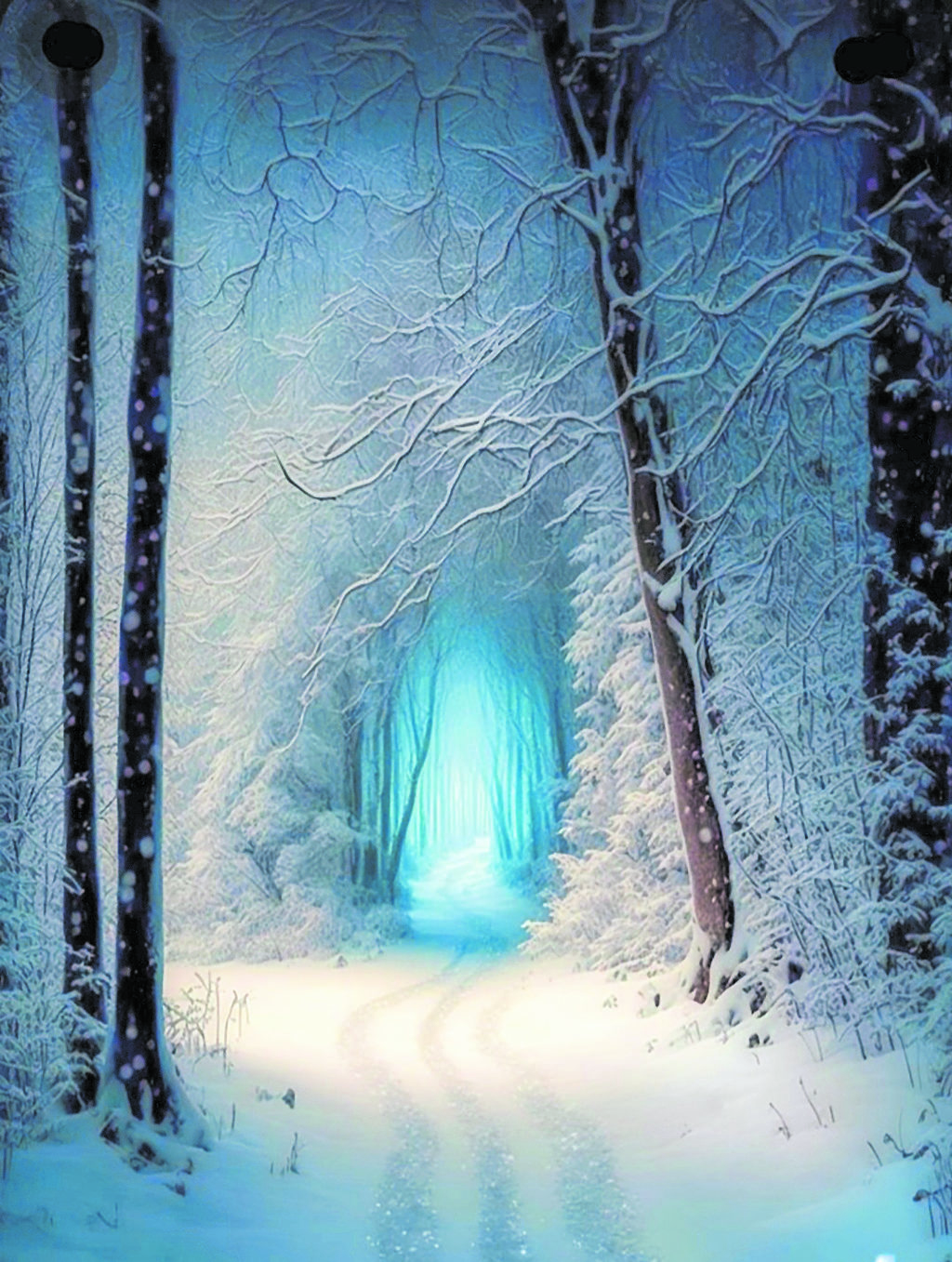
The author says certain animals prepare food supply for the winter season by collecting and storing food in various ways as a natural instinct to survive and thrive during periods of food scarcity. By stockpiling food, animal beings ensure that they have a supply of nutrients to sustain them throughout winter.
Picture: SUPPLIED
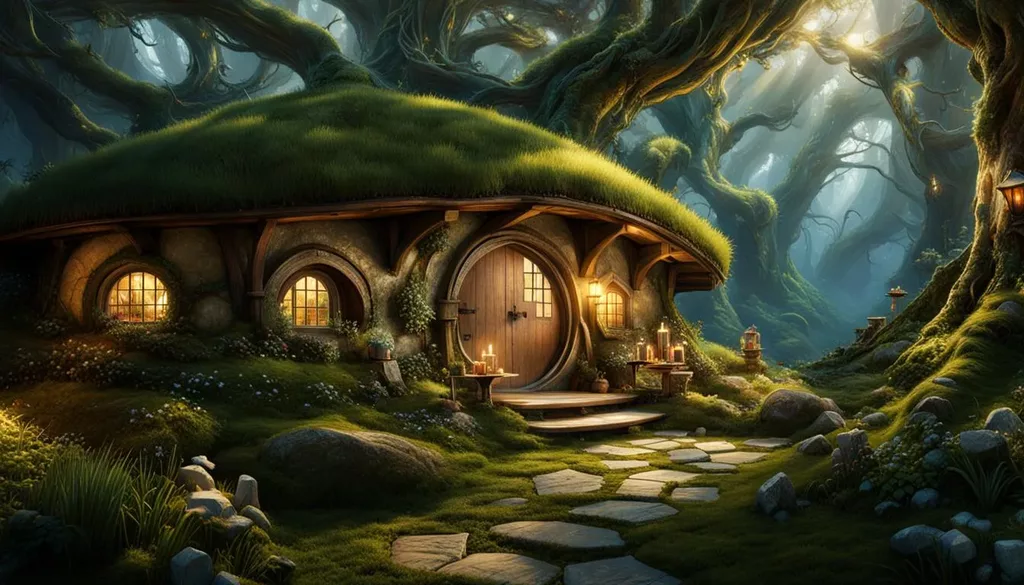
The poem was inspired by the abundance of a happy (Hobbit) home. Often constructed from natural materials (wood, stone, straw bales and similar natural materials), the typical features of a Hobbit home resemble a fairy home – curved furniture, rustic decor (moss, leafy plants and vintage decor designs in a palette of earthly shades), secret /hidden corners and subtle imperfections in structure, to create an ambience of warmth and wellness. Picture: creator.nightcafe.studio