THE devastation left by Cyclone Winston in 2016 wiped out Jean Tikaram’s home, destroyed her beehives and changed the direction of her small farm.
Amid the wreckage however, one intact hive box offered a glimmer of hope and the beginning of a story of resilience that would shape Waitika Farm Fiji.
Most of the farm’s beehives had been smashed or blown away when the Category 5 cyclone struck the western part of the country. Yet beside a fence, one box remained intact.
Tikaram found 10 frames, rebuilt the box and continued the difficult work of cleaning up the property – couple of months later, she returned to find the bees had regenerated.
The sight of the bees recovering from the devastation was a turning point for Tikaram and her family.
Their resilience offered a lesson in persistence at a time when rebuilding seemed an overwhelming task.
Today, Waitika Farm Fiji, based in Rakiraki, has grown into a small-scale beekeeping and agritourism business, producing honey, beeswax products and a range of value-added goods.
Tikaram has also extended her work beyond the farm, sharing her knowledge through workshops and training with communities in Fiji and the wider Pacific.
Her journey has been recognised through several agricultural awards, including the 2025 Agriculture Farmer of the Year, Women Livestock Farmer of the Year and Women Livestock Value-Adding Entrepreneur of the Year.
From a few hives to a growing business
Tikaram, who grew up in a small town in South Africa, developed an early appreciation for the natural environment.
Her hometown, situated between mountains and the sea, was similar in some ways to Rakiraki.
Growing up, outdoors nurtured her interest in plants, insects and animals, although beekeeping was not initially part of her experience.
She later came to Fiji and taught at International School Suva until retiring in 2010.
After retirement, she moved to Rakiraki, where she and her family built a home, intending to enjoy a quieter life.
The farm’s beginnings were modest; the family planted crops and introduced a few beehives to help pollinate their fruit and vegetables.
What started as a practical way to support their garden gradually became something more.
“I can’t remember how many we started off with, but it was just a handful,” Tikaram said.
As the bee population grew, the family found themselves with more honey than they initially needed.
They began selling it, recognising an opportunity to turn their interest into a small business.
The honey harvest also produced beeswax, prompting another line of experimentation.
“We started cleaning the wax, and learning to make things from that,” she said.
Candles were among the first products they developed, alongside their honey.
The business was beginning to take shape, with the family exploring commercial beekeeping and preparing to welcome visitors interested in learning about the insects. Then Cyclone Winston struck.
Rebuilding after Winston
The cyclone destroyed the family’s home and swept away or damaged their beehives.
Equipment purchased for their planned agritourism activities was also affected before they had a chance to use it.
Tikaram recalled people finding remnants of their beehives on nearby Malake Island. The family could identify some of them by their distinctive purple and blue paint.
The disaster forced them to reconsider their plans. Rather than pursue a larger commercial operation, they chose to develop a smaller boutique farm, eventually settling on about 16 hives.
The recovery was not simply about replacing what had been lost. It required the family to work with what remained and find a new direction.
Tikaram believes her upbringing helped her approach the challenges of rebuilding.
“I think I have the huge privilege of coming out of South Africa where … you fixed, you made do with what you had, and that really helped afterwards – it helped push us through,” she said.
The surviving hive reinforced that lesson.
Bees, she observed have their own ways of recovering when their colonies are threatened including producing a new queen when the existing one is lost.
For Tikaram, their ability to rebuild became a reminder that recovery is possible even after severe disruption.
Turning honey into opportunity
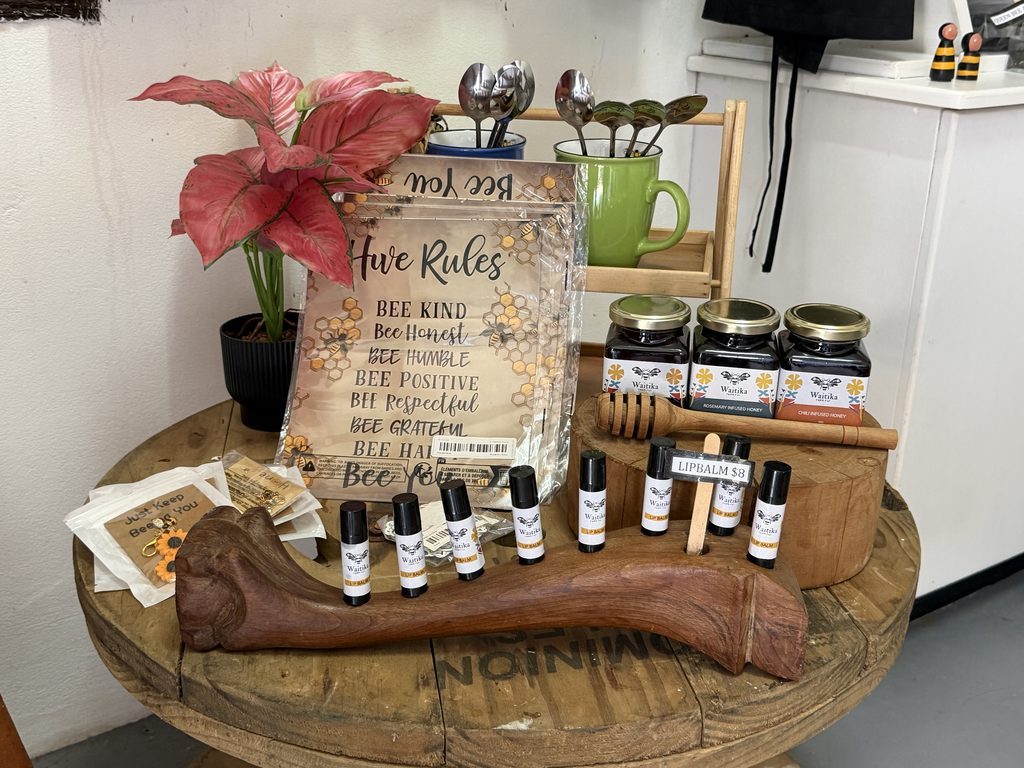
Today, Waitika Farm’s products extend well beyond raw honey.
The farm sells pure raw honey alongside infused varieties, including chilli, turmeric and ginger, and rosemary. Each infusion offers a different flavour profile.
Other products include honey butter and honey granola. The beeswax is transformed into rolled, moulded and tin candles, available in scented and unscented varieties.
The farm also produces beard balm, hair balm, heel balm, lip balm and wood polish for unfinished wood.
Developing these products requires patience and experimentation, particularly in Fiji’s tropical climate.
“It is very hard in our tropics to make a really good product because of our heated humidity,” Tikaram said.
The business has gradually established a market for its goods, supplying customers who appreciate the quality of its products.
It has also moved into Prouds, allowing Tikaram to reduce her participation in markets and concentrate on production and developing new items.
The farm uses glass jars for its honey despite their higher cost, as part of its effort to remain environmentally conscious.
“We like to think we make a good product,” she said.
For Tikaram, value-adding is a natural extension of beekeeping. Rather than allowing the wax to go unused, the family has found ways to transform it into products that contribute to the farm’s income.
Opening the farm to visitors
The idea for agritourism developed when people began asking whether they could visit the farm to see the bees.
Tikaram realised that visitors needed protective suits to experience beekeeping safely. The family began preparing equipment for tours, but Cyclone Winston interrupted those plans.
After rebuilding, the farm gradually developed its visitor program. Today, it welcomes tourists, small groups and university visitors from overseas who want to learn about bees and their importance.
Visitors can take part in honey tastings, visit the hives and make products during workshop sessions.
The experience offers an opportunity to understand beekeeping beyond the finished jar of honey, showing how the insects contribute to farming and how their products can be used.
Tikaram continues to explore ways to expand the farm’s product range while maintaining its small-scale character.
A teacher beyond the classroom
Teaching remains an important part of Tikaram’s work.
Alongside managing Waitika Farm, she serves as vice-president of the Fiji Beekeepers Association and participates in training initiatives for communities and aspiring beekeepers.
Her work includes workshops on value-adding, helping people understand the basics of turning honey and beeswax into products that may provide additional income. She has also been involved in bee health and beekeeping training.
Her commitment to sharing knowledge has taken her beyond Fiji. Having recently returned from Samoa and the Solomon Islands.
Tikaram said one of the most rewarding parts of teaching was helping people recognise what they could achieve.
“I get tremendous pleasure out of converting somebody who doesn’t know and thinks they can’t, through that process of enlightenment where they realise they can and sort of open their mind to what their possibilities and potentials are,” she said.
Her work with communities reflects the direction Waitika Farm took after Winston.
What began as a small family venture focused on pollination and honey has become a platform for learning, product development and sharing skills.
For Tikaram, the bees remain at the centre of it all, their ability to recover and rebuild continues to offer lessons that reach beyond the hive.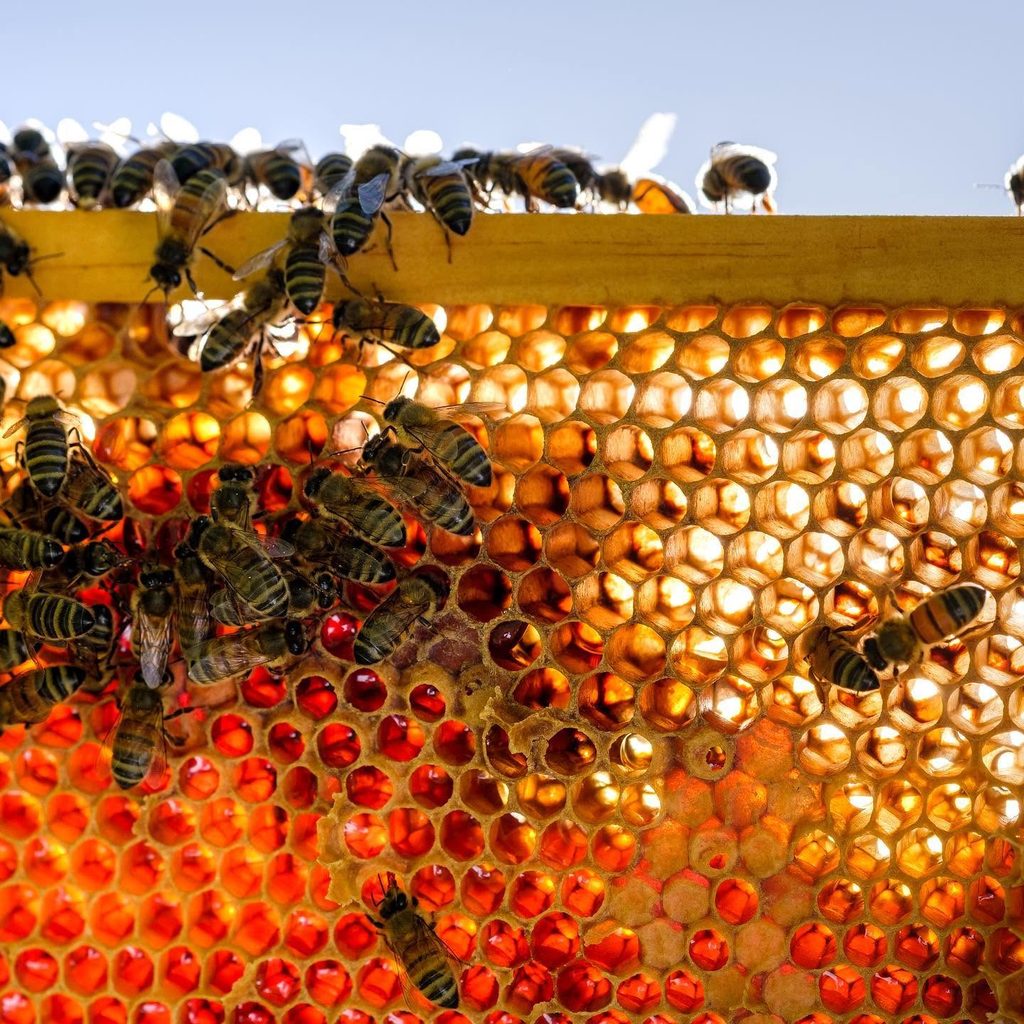
Agritourism experience offers an opportunity to understand beekeeping beyond the finished jar of honey, showing how the insects contribute to farming and how their products can be used. Picture: WAITIKA FARM FIJI
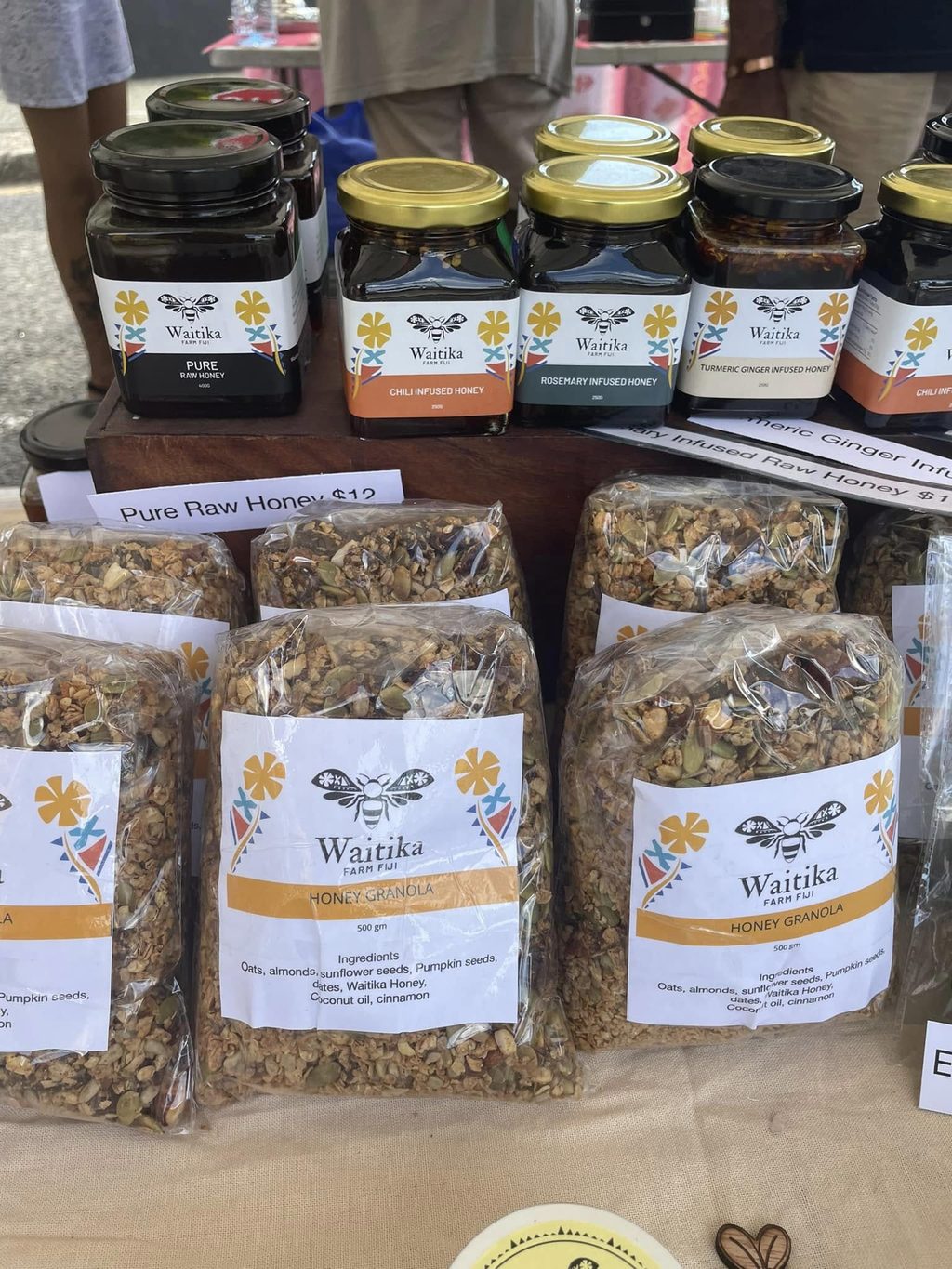
Other products include honey butter and honey granola. Picture: WAITIKA FARM FIJI
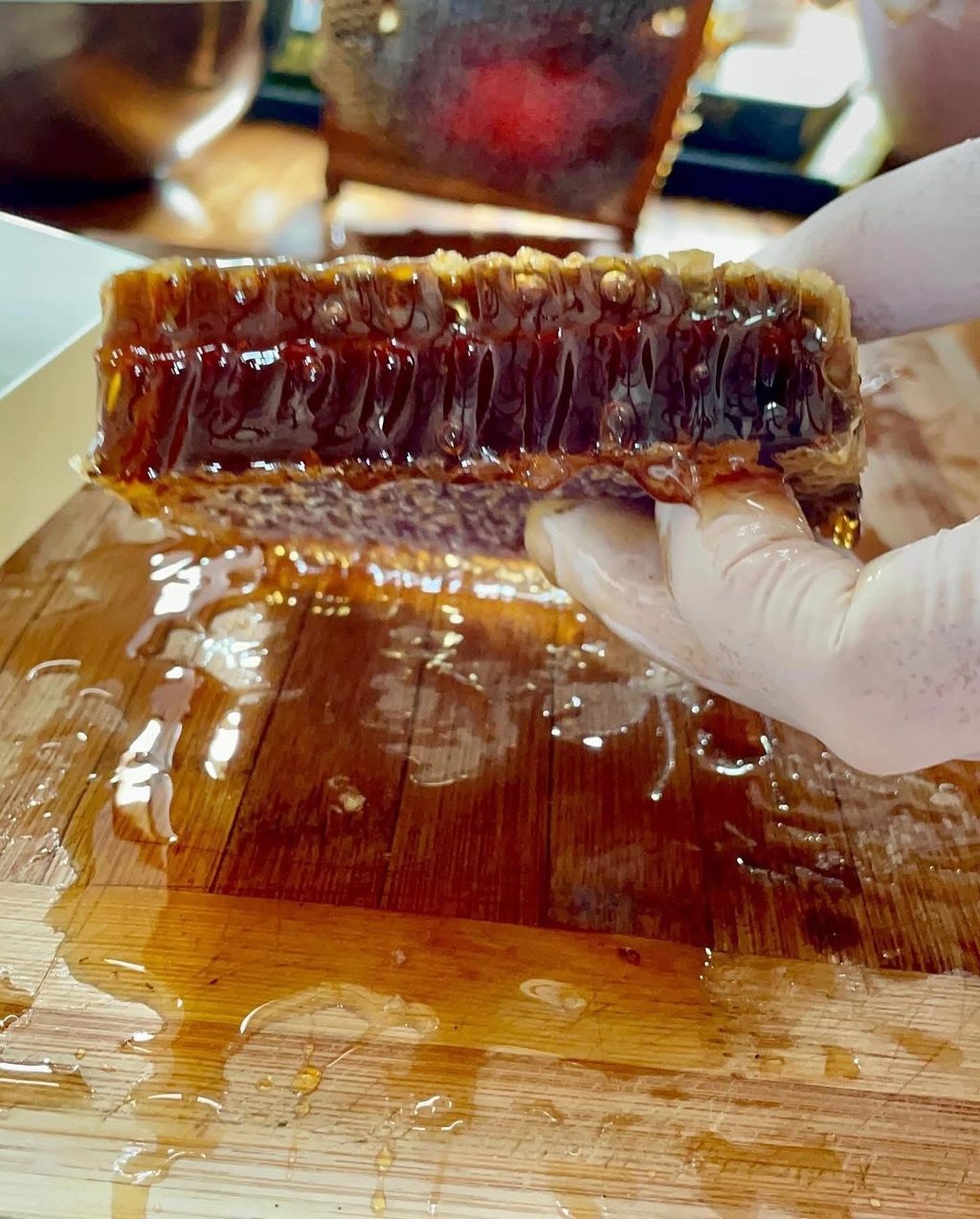
The farm sells pure raw honey alongside infused varieties, including chilli, turmeric and ginger, and rosemary. Picture: WAITIKA FARM FIJI
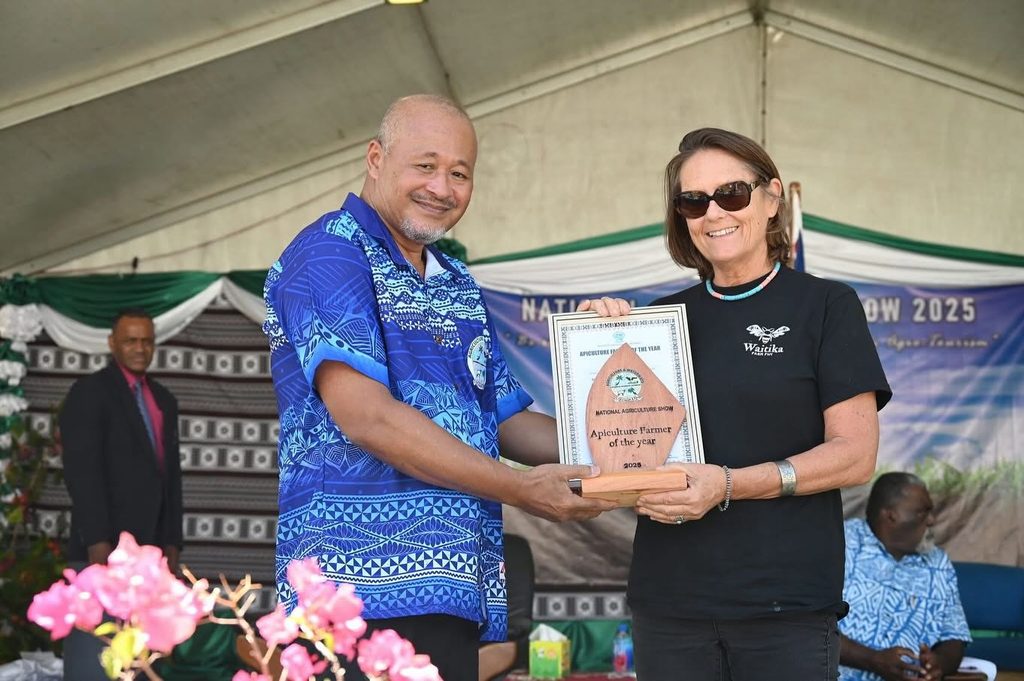
Top: Jean Tikaram (right) receives the Agriculture Farmer of the Year award. Picture: WAITIKA FARM FIJI
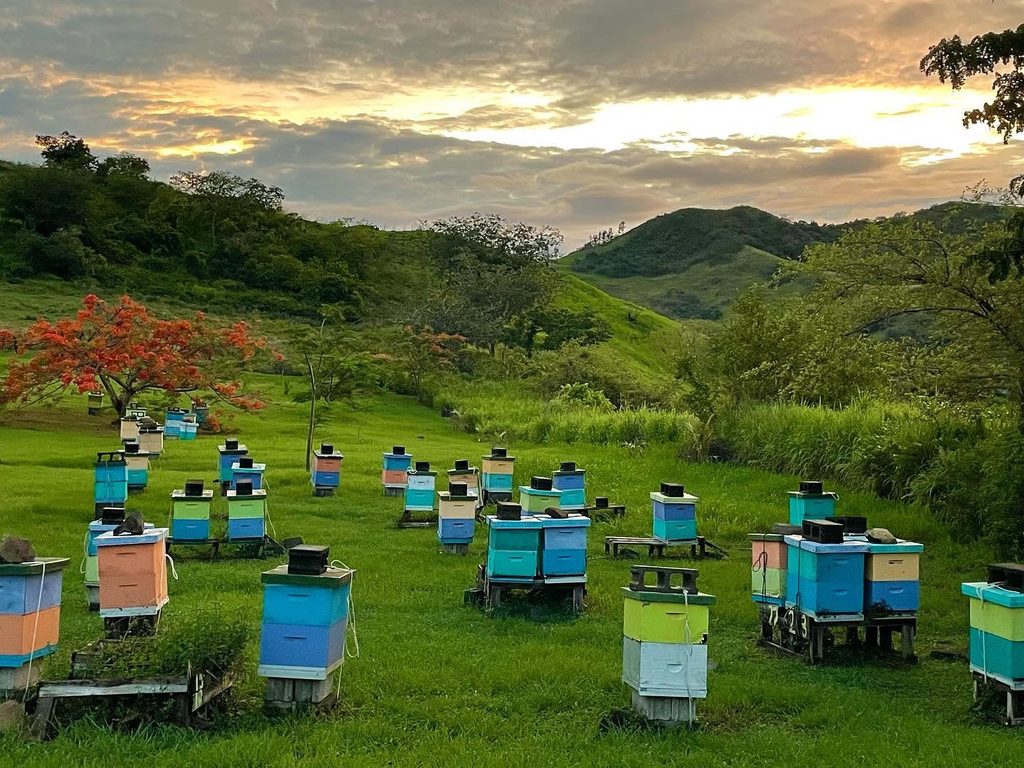
Waitika Farm Fiji is located in Rakiraki, Ra.
Picture: WAITIKA FARM FIJI
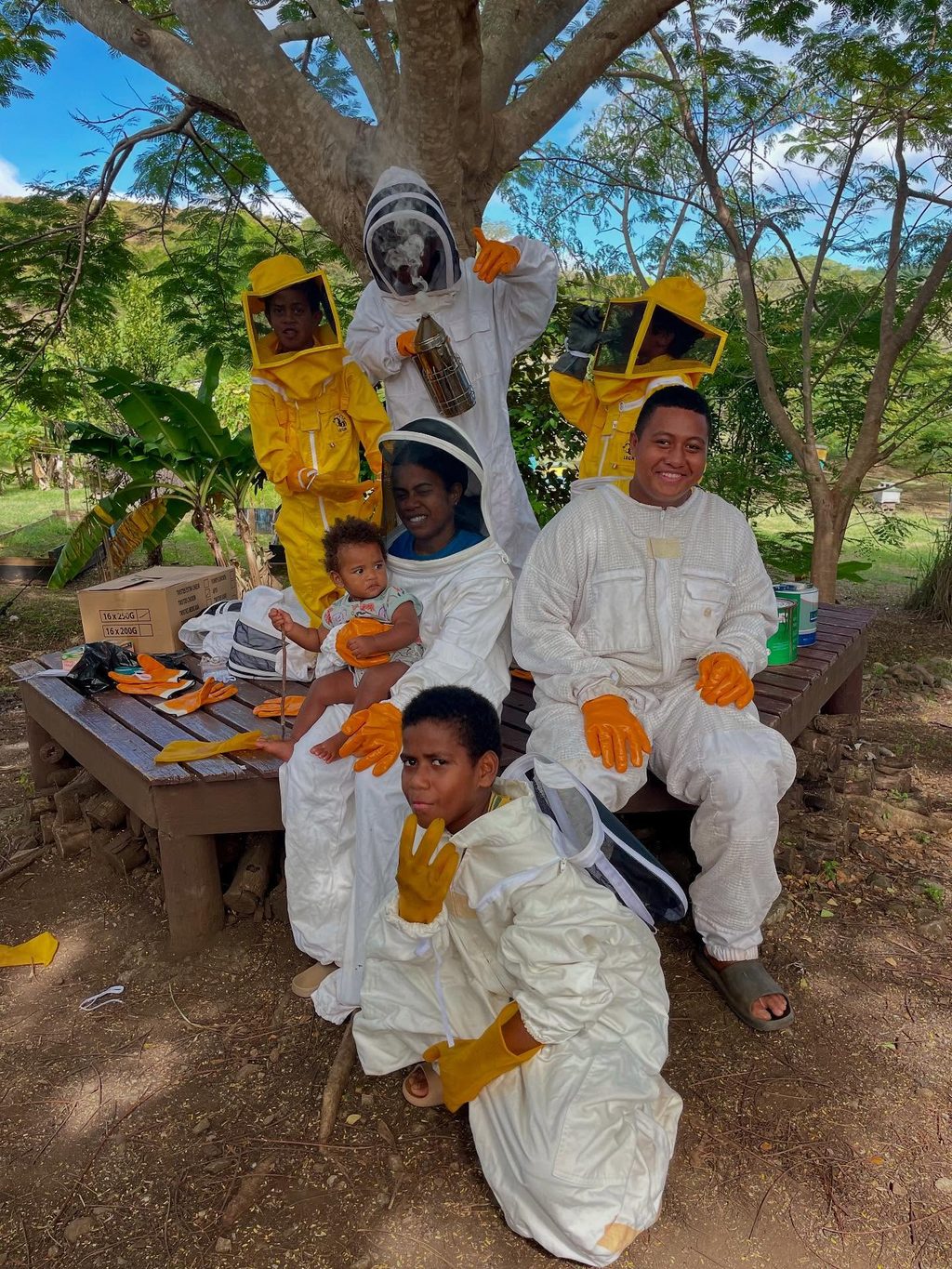
What began as a small family venture focused on pollination and honey has become a platform for learning, product development and sharing skills. Picture: WAITIKA FARM FIJI
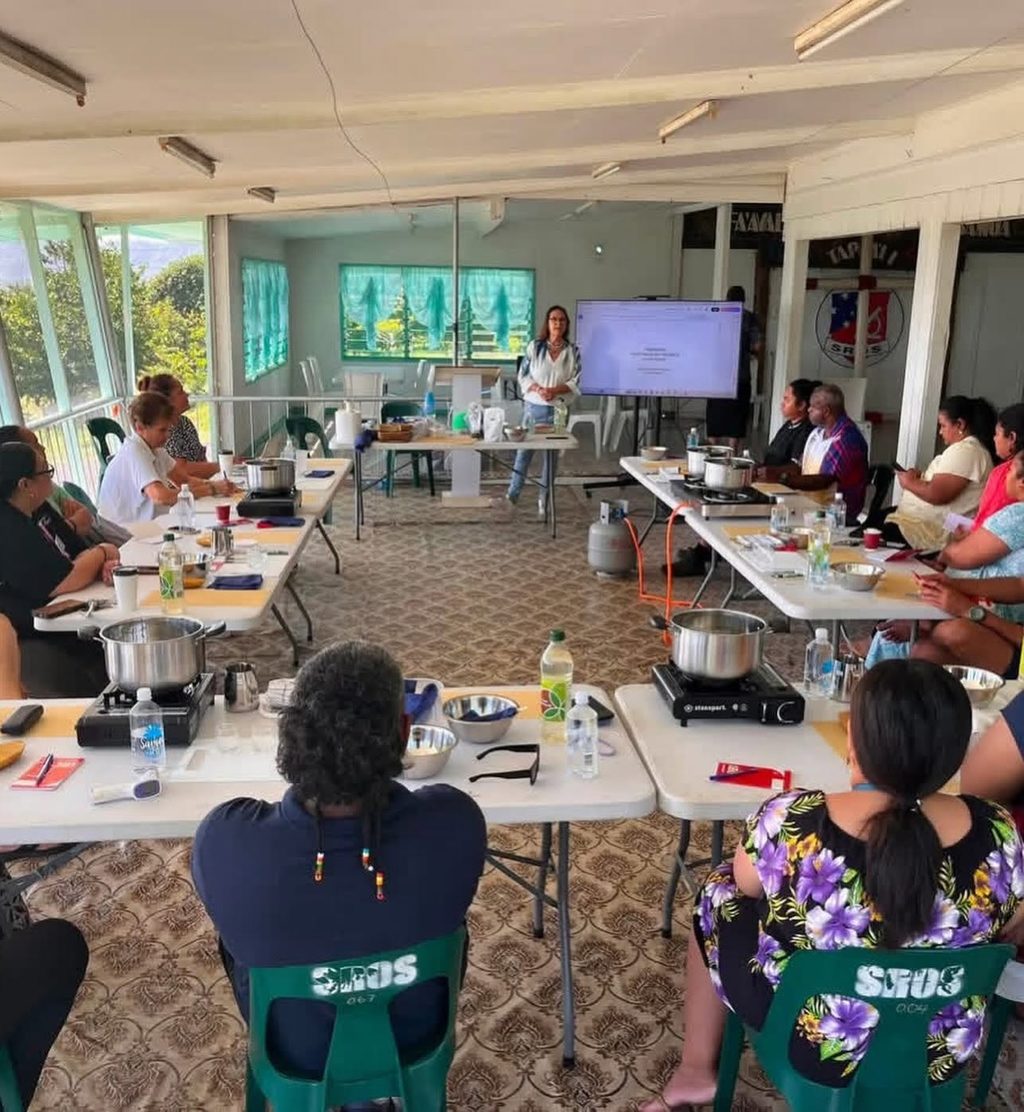
Jean conducts training.
Picture: WAITIKA FARM FIJI
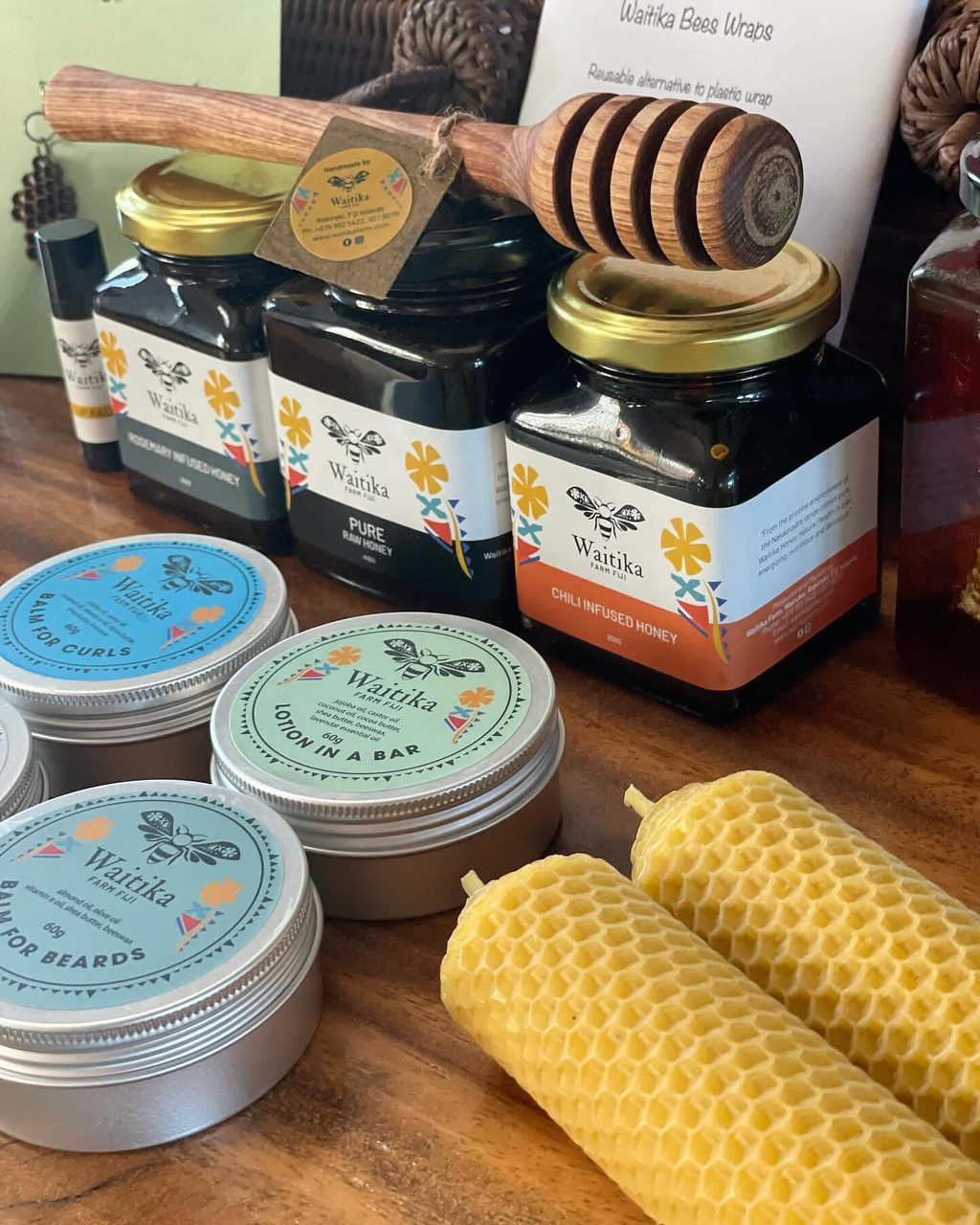
Variety of products made at the farm. Picture: WAITIKA FARM FIJI