PACIFIC meteorological directors need to be part of the climate negotiations because their scientific data helps inform the decisions being made on climate change and the 1.5°C target.
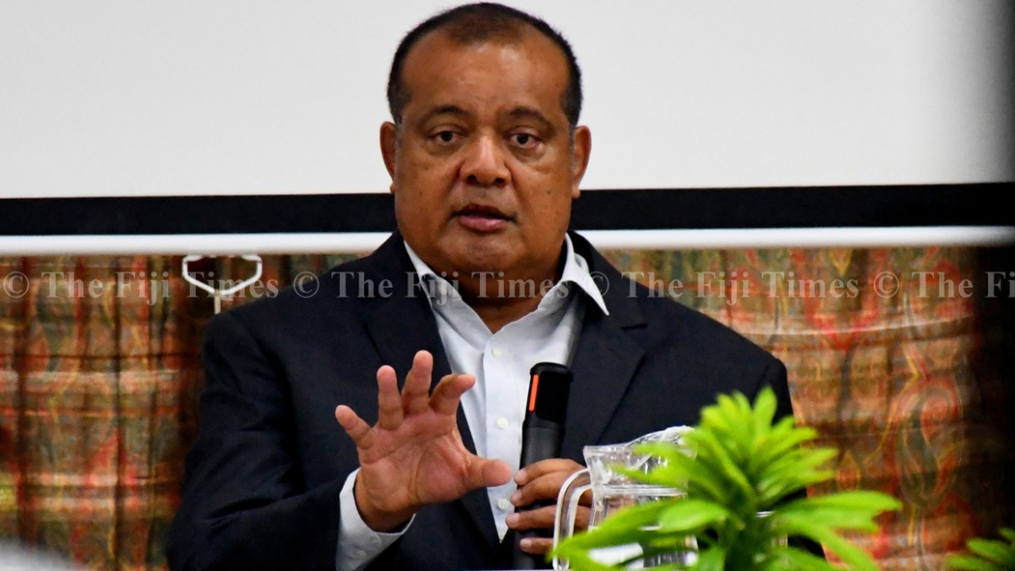
Fiji’s Director of Climate Change, Senivasa Waqairamasi, made the call while updating the Pacific Meteorological Council on Fiji’s preparations to host the Pre-COP31 meeting in Nadi from October 5–8.
“The four main pillars to the Pacific Partnership, one of them, a very important pillar, is 1.5 degrees,” Ms Waqairamasi said.
“Taking the 1.5 to the Green Zones. And this is one of our red lines.”
She said discussions at previous COP negotiations had shown that the 1.5°C target remained under pressure, while also raising concerns about attempts to weaken the language surrounding the scientific evidence used in climate negotiations. Ms Waqairamasi said meteorological directors therefore had an important role to play in ensuring scientific knowledge from the region was represented during the discussions.
Her call was reinforced by Minister for Public Works, Meteorological Services and Transport Ro Filipe Tuisawau during the fourth Pacific Meteorological ministers meeting in Tonga.
Ro Filipe said Pacific climate action must remain grounded in science, equity and the lived realities of Pacific island and small island developing states.
He also highlighted the financial and technical constraints facing national meteorological services, including maintaining forecasting systems, observation networks, equipment and multi-hazard early warning systems.
“Fiji is progressing a political declaration and action plan addressing structural and procedural barriers to accessing climate finance, which is expected to be launched at the Pre-COP in Fiji,” he said.
Tuisawau also stressed the importance of regional meteorological observation networks, saying the data they collect should receive greater recognition in future climate and policy decisions.