PEOPLE unlawfully occupying State land could face fines of up to $250,000 or five years imprisonment under recommendations contained in the Fiji Law Reform Commission’s review of the State Lands Act 1945.
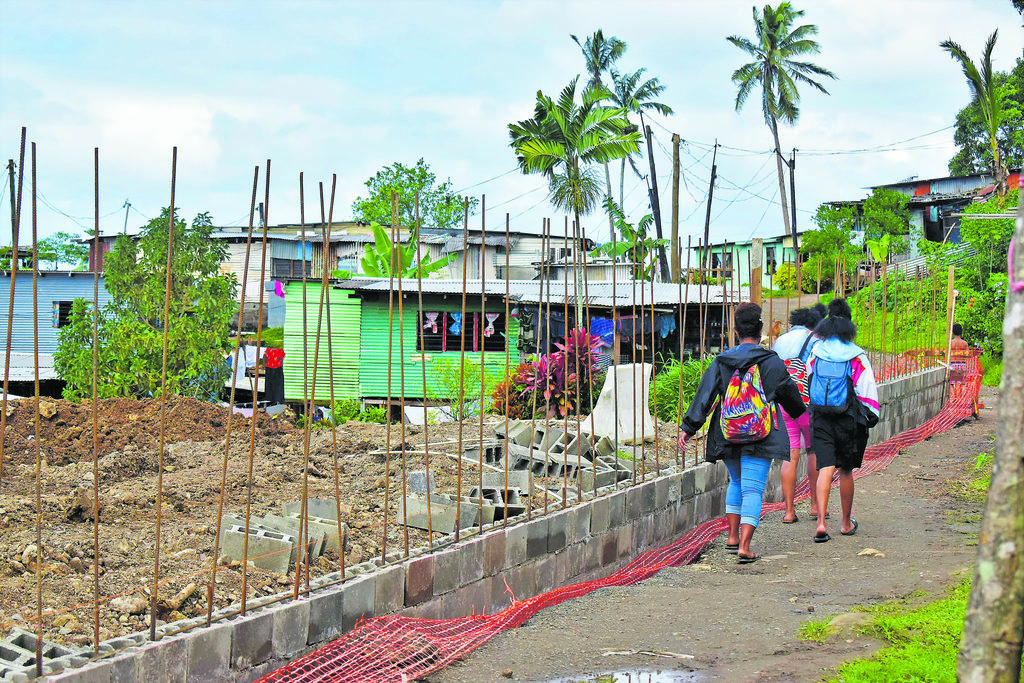
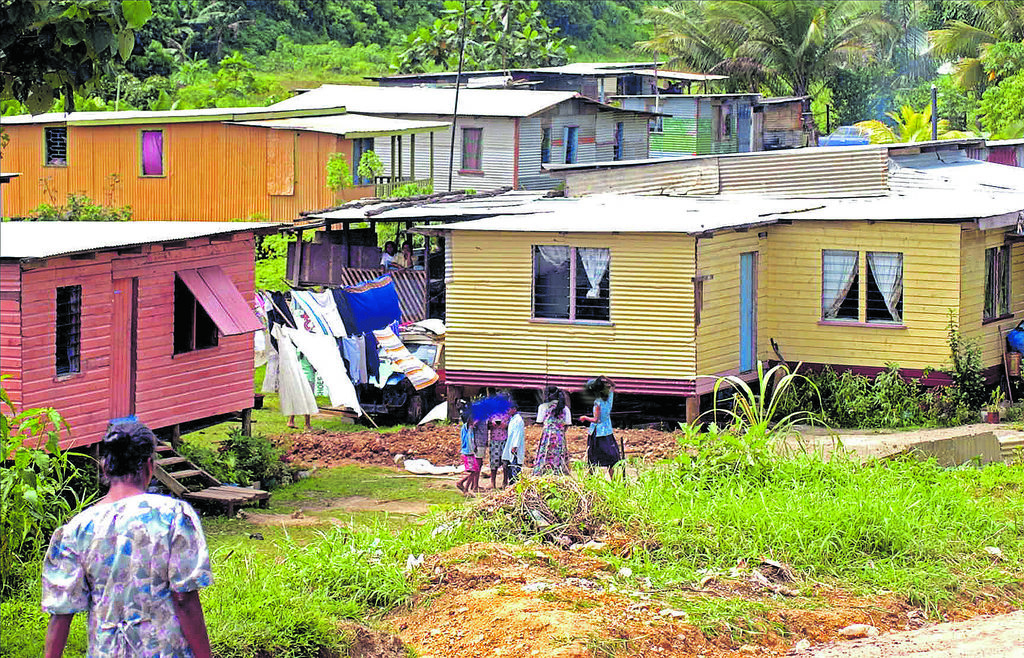
This newspaper has obtained the commission’s report, which identifies informal settlements and illegal occupation of State land as major issues raised during stakeholder consultations.
The report says there was a general consensus, particularly among town councils, that illegal occupation was hindering development on prime State land.
Similar concerns were raised by external stakeholders during a validation workshop in Suva, although the report notes that civil society organisations raised objections.
Under the proposed Bill, the Director of Lands would be specifically empowered, with police assistance, to evict people unlawfully occupying State land and demolish or take possession of structures or other property unlawfully found on the land.
Police officers would be specifically mentioned in the legislation as assisting the Director of Lands with evictions.
The commission recommends a maximum penalty of $250,000, five years imprisonment, or both, for unlawful occupation of State land.
The report acknowledges, however, the State’s constitutional responsibility relating to access to adequate housing and sanitation.
It notes that State land accounts for only four per cent of Fiji’s total land mass and argues that the Ministry of Lands is, therefore, not in a position to provide residential land to all unlawful occupiers.
The report says the ministry has previously formalised some informal settlements through the issuing of community leases.
However, it raises questions over the legal basis for these leases, noting that “community lease” is not specified as a category of lease under the State Lands (Leases and Licences) Regulations 1980.
The commission says existing legislation already provides authority to address unlawful occupation, but recommends clearer and more stringent provisions in the proposed law, including identifying who is responsible for carrying out evictions.
The report also notes that previous attempts by the ministry to evict people who had unlawfully constructed homes on State land became ineffective because they lacked a supporting legal framework.
A State Lands Bill 2026 is yet to be presented in Parliament.