FIJI’S reviewed National Employment Policy is expected to be implemented before the end of the current financial year, with the Government placing skills development, artificial intelligence, labour migration and vulnerable workers at the centre of its new employment strategy.
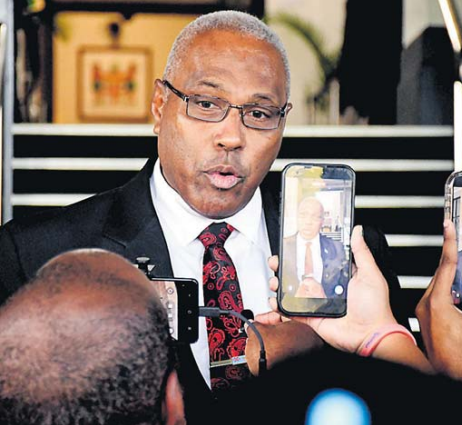
Acting Minister for Justice and Employment Siromi Turaga told Parliament that the draft policy was still being considered by the Technical Sub-Committee, with the next major step being its presentation to the National Employment Centre Board in November.
Mr Turaga said the policy would provide a co-ordinated framework to address Fiji’s current and future employment needs.
The draft identifies eight priority areas, including improving job quality and productivity, strengthening education and skills development, formalising micro, small and medium enterprises, and empowering women, youth, persons with disabilities, older workers and people in remote communities.
A key priority is preparing workers for technological change.
He said the policy would focus on “leveraging digitalisation and artificial intelligence for future-ready jobs”, while addressing challenges such as potential workforce displacement.
The policy also targets fair and beneficial labour migration, including the reintegration of returning migrant workers so Fiji can benefit from skills and experience gained overseas.
Mr Turaga said implementation would not rest with the Employment Ministry alone.
“The National Employment Policy is, therefore, not intended to be implemented by the Ministry of Employment alone.
“Given the broad range of issues covered by the policy, its implementation will adopt a whole-of-government approach, with the relevant ministries and agencies taking responsibility for leading and supporting the priority and sub-priority areas that fall within their respective mandates.
“This approach will also require continued engagement with employers, workers’ organisations, training institutions, civil society and other key stakeholders.”
Government expects implementation to begin before the end of the current financial year, subject to completion of the process and Cabinet approval.