BUSINESSES struggling to meet tax obligations should be given repayment plans based on their ability to pay, Opposition MP Premila Kumar told Parliament on Monday, warning that accelerated payments could put some businesses at risk of closure.
She said the Fiji Revenue and Customs Service’s (FRCS) collection efforts should be balanced against the need to keep businesses operating, arguing that closures could ultimately cost Government employment, economic activity and future tax revenue.
“Within a very short period, we must ask whether we are helping these businesses recover or placing some of them at the risk of closure,” she said.
“I therefore urge government to adopt a more practical and flexible approach.”
Mrs Kumar questioned why FRCS could not tailor payment arrangements according to the cash flow capacity of individual businesses.
“Why can’t FRCS provide structured payment arrangement based on the cash flow capacity of individual businesses? A business that can afford to pay more should do so.
“A business that is genuinely struggling should be given a reasonable repayment period.”
She warned that forcing struggling businesses into accelerated repayment schedules could have wider economic consequences.
“If a business closes because it cannot meet an accelerated repayment schedule, government may lose not only the outstanding loan amount, but also future tax revenue, employment and economic activity.”
Mrs Kumar urged the Minister for Finance and the Deputy Prime Minister responsible for small businesses to review the arrangements and ensure businesses could access reasonable payment plans.
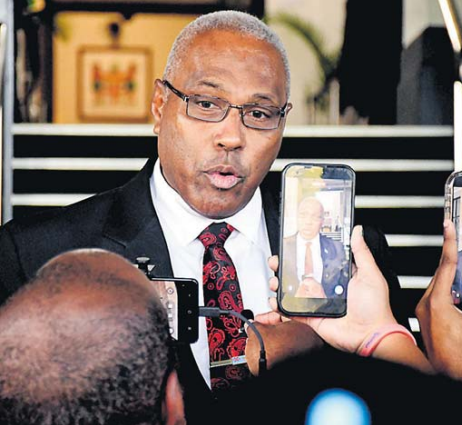
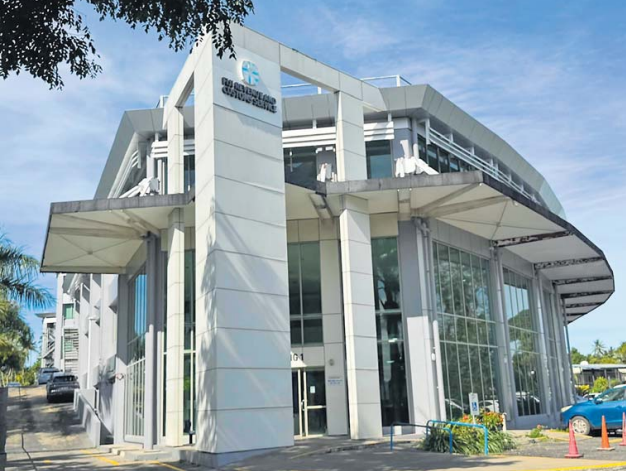
Finance Minister Esrom Immanuel told Parliament the FRCS was moving towards a risk-based and segmented approach to tax management, including early intervention, repayment arrangements, offsets and stronger enforcement.
The Government’s response was made during debate on the Standing Committee on Economic Affairs’ Review Report on the FRCS Annual Report 2024–2025. Parliament lists the report among the matters considered by the committee in August this year.