THE most lasting thing Mohammed Nawaz took away from Leadership Fiji was not a business lesson or a management technique, it was the people.
From a cohort of about 30 participants drawn from different sectors and backgrounds, Nawaz built relationships that have endured years after the program ended.
Those connections have become a network he can turn to for professional advice, personal support, community needs or simply a conversation.
“It’s good to have a good number of people that you can at any point in time, pick up the phone and call,” Nawaz said.
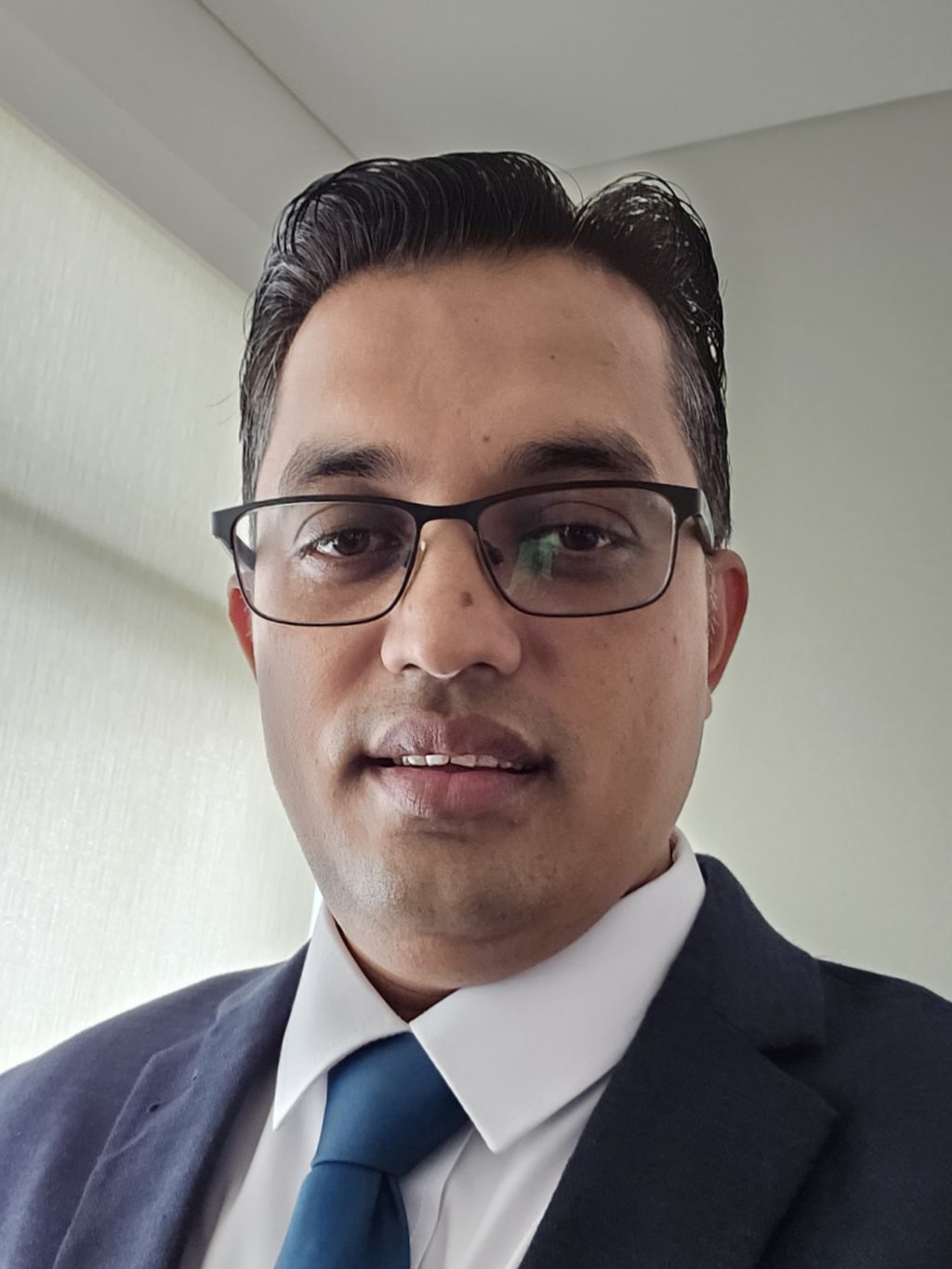
Now country manager for Credit Corporation Fiji, with oversight of its Solomon Islands and Vanuatu operations, Nawaz credits the experience with broadening his understanding of leadership and reshaping the way he leads.
His journey with Leadership Fiji began in 2018, following Credit Corporation’s partnership with the program – which had seen the company sponsoring and putting its people forward since around 2017.
What began as a nomination became a personal challenge and ultimately a different way of seeing leadership.
A nomination that opened a new perspective
By the time Nawaz was nominated for the 2018 program, he already knew something about Leadership Fiji.
A member of his team had completed the program earlier, and her experiences were often discussed during tea sessions.
“My predecessor basically said that you will be part of the program in 2018. You’ll be the next one in line,” Nawaz said.
The nomination was only the beginning. Applicants still had to go through an application and interview process.
For Nawaz, the process prompted him to think seriously about why he wanted to participate.
At the time, his professional world was centered on finance.
In his earlier role as financial controller, he described himself as analytical and process driven.
His perception of leadership was strongly connected to achievement and what numbers could demonstrate.
That perspective, he later realised, needed broadening.
“I was more of a process-driven person, and I needed to come out of just making sure the processes worked, the controls were effective, and start understanding people better,” Nawaz said.
Leadership Fiji gave him that opportunity.
He was particularly drawn to the program’s ability to move beyond professional development and place participants within the wider context of Fiji.
“One interesting fact that really resonated with me was that it’s not just about developing your professional skills and broadening your understanding of leadership, but also about putting Fiji into a broader context,” he said.
Building something together
The diversity of the cohort became one of the defining features of Nawaz’s experience.
Participants came from different sectors and backgrounds, bringing different experiences and perspectives into the same room.
The relationships formed during the program continued into the fellowship year, when the group took on a larger community project.
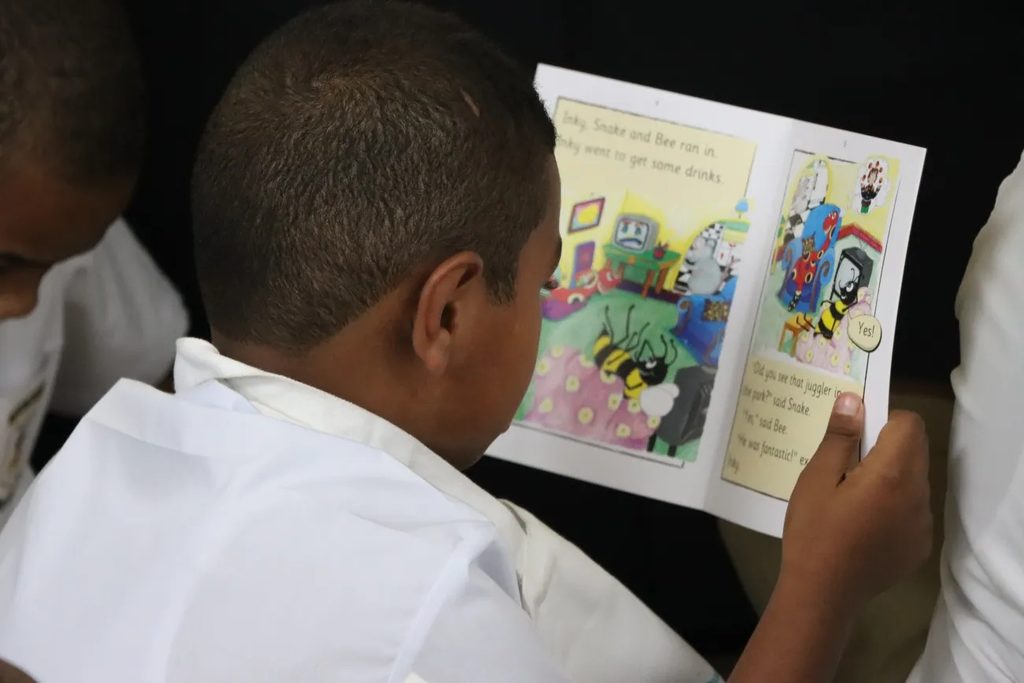
Their project took them to Cama District School in the North, where they renovated the school library.
The project required the group to work through uncomfortable and challenging moments together.
“We had to sleep on the floor just to get the project done,” Nawaz said.
The experience brought the cohort closer.
After the work was completed, seeing what they had achieved together made the difficult moments worthwhile.
“It was quite fulfilling as well after we got to see what we achieved together,” he said.
The impact of the project also continued beyond the initial renovation.
Members of the cohort have returned to the school over the years to see the project and its progress.
Nawaz said he had also been told that other communities had expressed interest in similar upgrades to their schools and libraries after seeing what the cohort had achieved.
“I think we were the first cohort who had gone to the North to deliver a big project,” he said.
Returning to his roots
The experience of travelling to the North also had a personal significance for Nawaz.
He described himself as a village boy and said he understood the difference between life in urban centres and the realities of more remote communities.
While urban areas offered comforts and connectivity that were not always available elsewhere, Nawaz said he enjoyed returning to familiar settings and experiencing nature and community life again.
Without the constant connectivity that mobile phones now provide, communication was often more personal.
“It basically comes back to being able to communicate, connect and talk to people more as a form of socialising, rather than simply being on the phone,” Nawaz said.
That emphasis on connection has remained an important part of his Leadership Fiji experience.
A network that continues
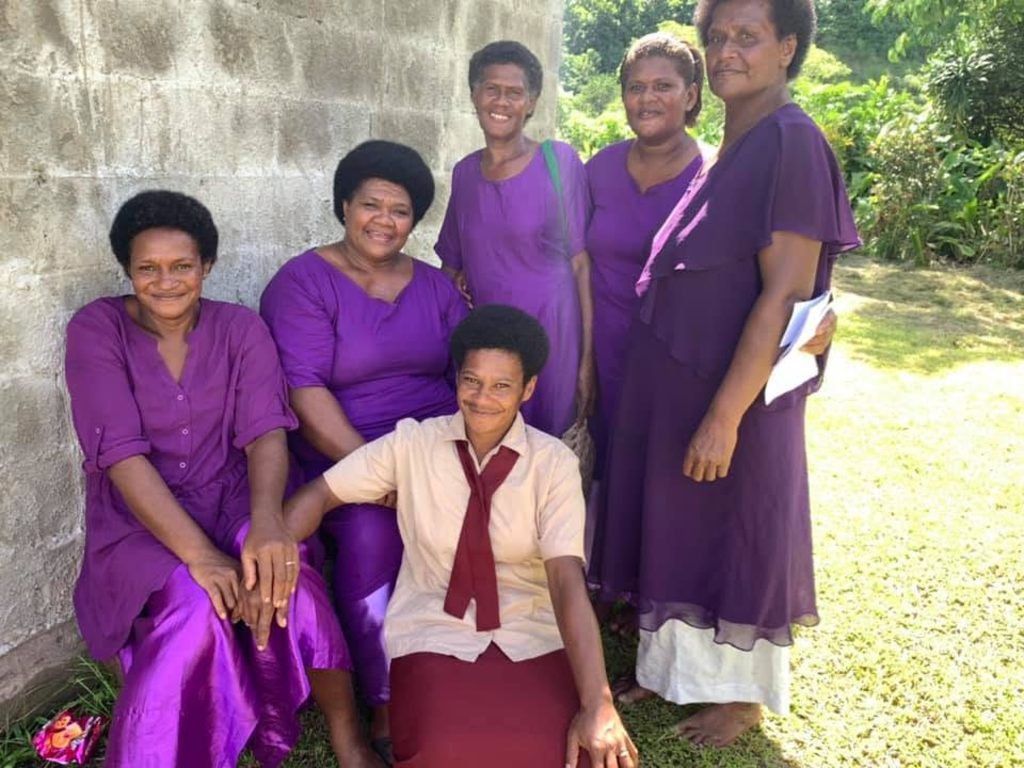
Years after completing the program, the bonds among the 2018 cohort remain strong.
Nawaz said former participants continue to cross paths despite working in different places and sectors.
When they meet, the familiarity remains.
“It’s more of a hugging welcome, every time you see each other,” he said.
The network has also grown beyond the original cohort through the wider Leadership Fiji alumni community.
For Nawaz, one of its greatest strengths is the range of people and industries represented.
A former participant might be someone to contact about a professional matter, but the relationship does not have to be work-related.
It could involve something personal, a community need or simply reaching out for advice.
The result, Nawaz said is a strong sense of connectivity among the alumni.
Leadership is about creating opportunities
Perhaps the most significant change in Nawaz’s journey has been his understanding of what leadership means.
He no longer views leadership simply through the lens of directing people or ensuring that processes and controls work.
“Leadership is all about creating opportunities for others to succeed and not necessarily just making sure that you are able to direct and command control,” he said.
That philosophy has become part of how he approaches leadership today.
It has also influenced Credit Corporation Fiji’s continued involvement with Leadership Fiji.
The company has a process through which employees express their interest in participating and explain what motivates them to join the program.
His advice to future participants is to approach the experience with an open mind.
“As my early mentors had mentioned once, as a fresh graduate out of university, you’re basically a sponge, and as much as we can dip you in water, absorb as much as you can because this is your moment,” he said.
It is this advice that reflects the journey he has taken himself.