MAGMA Mines Pte Limited (MMPL) has outlined a four-stage mining and processing plan for its proposed Sigatoka Iron Sands Project, with operations potentially extending over 15 to 20 years, depending on global and local demand.
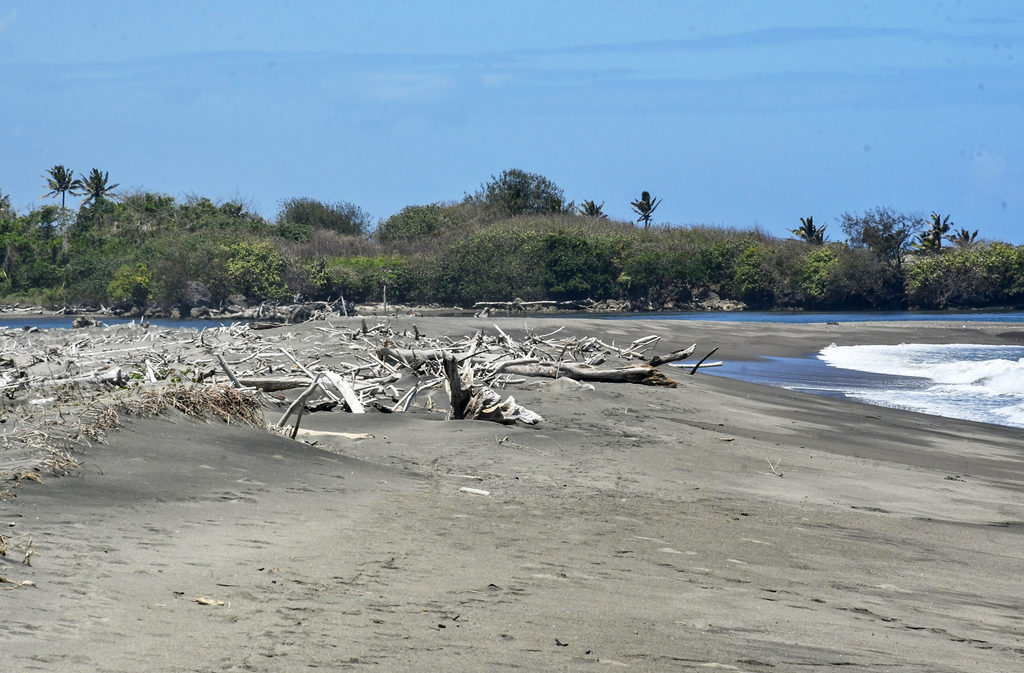
The proposal, detailed in an environmental impact assessment (EIA) report of more than 400 pages compiled by Smith Geoscience, focuses on recovering magnetite deposits accumulated along the western bank of the Sigatoka River.
According to the report, the initial two stages would involve dry mining to remove existing dredged spoil covering the identified mineral resource, followed by additional spoil deposited during the development of a barging channel.
The recovered material would be processed to extract magnetite where possible, with the remaining sand removed. Stage three would begin once the original resource surface had been exposed, allowing mining and processing capacity to increase.
The report states that resources targeted in the first three stages are located on freehold land.
Stage four would involve dredging subsurface material after the surface resources had been mined. Further mining of the defined river resource and Koroua Island would be considered after the first three stages, subject to economic viability at the time.
The EIA identifies an indicated resource of 34 million tonnes at the Club Mass deposits, with an average heavy mineral content of 19.7 per cent.
The river deposits contain an indicated resource of 23.9 million tonnes, with an average heavy mineral content of 11.5 per cent. In addition to magnetite, MMPL proposes recovering other development minerals, including sand and gravel.
The EIA report is available for public viewing at the Ministry of Environment offices in Lautoka, Sigatoka and Suva.