The Bose Levu Vakaturaga (BLV) says Section 152(3) of the draft Constitution must not be interpreted as giving Parliament unrestricted authority to determine who sits on the council.
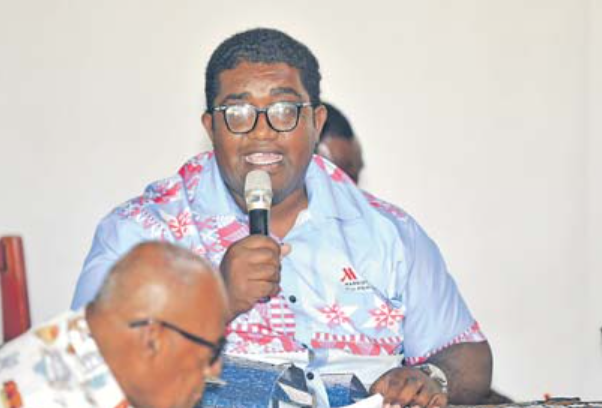
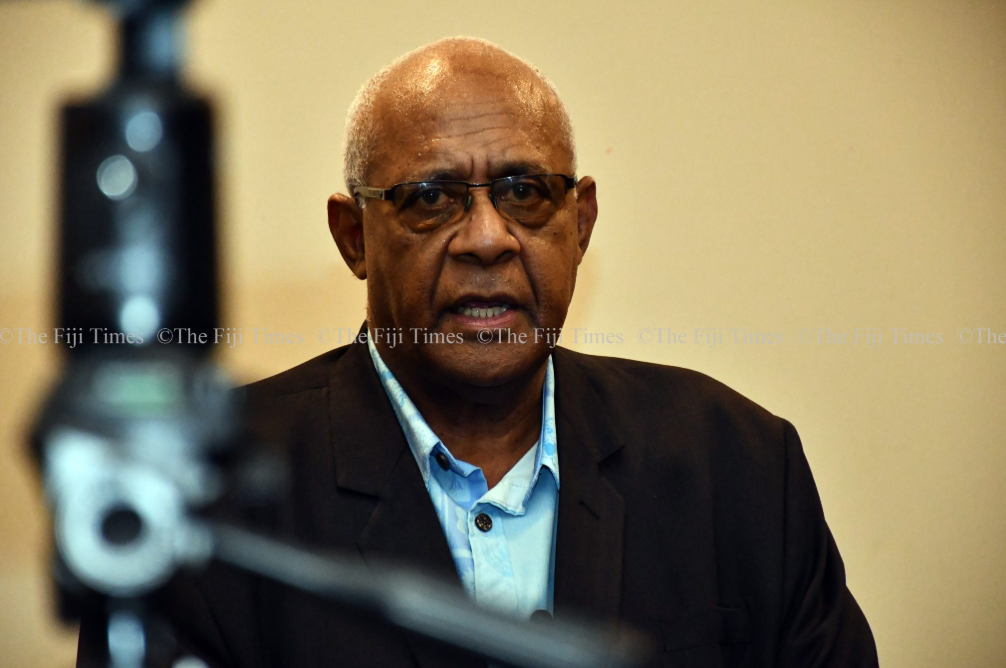
“It is important that the provisions in question are understood in accordance with their intended meaning and purpose, rather than through interpretations that attribute intentions to the BLV which it does not hold,” chairman Ratu Viliame Seruvakula said while responding to statements issued by SODELPA over the proposed provision.
Section 152(3) states that Parliament must provide, through written law, for the membership of the BLV and may also legislate on other matters relating to the council.
However, Ratu Viliame said there was a fundamental distinction between establishing a legal framework for membership and assuming the customary authority through which chiefs derived their legitimacy and representation.
“It is not intended to confer unrestricted authority upon Parliament, the Government of the day or a political majority to select, appoint or remove chiefs,” he said.
He said the council’s membership was grounded in customary institutions, traditional leadership structures, vanua relationships and recognised processes through which members were identified and represented.
Ratu Viliame stressed that any legislation governing membership must respect and protect these foundations, adding that the BLV did not support an interpretation that would allow political interests to manipulate its composition.
He suggested that any uncertainty arising from the proposed wording or its explanation should be addressed through clearer drafting and appropriate safeguards.
The BLV has called for the final wording of Section 152 and any consequential legislation to protect recognised processes of chiefly representation and guard against arbitrary political interference.
Ratu Viliame said the council’s customary authority, the integrity of its membership and its independence must not be compromised by the proposed constitutional changes.