Linguistic discrimination
Two items in yesterday’s newspaper (FT 26/8/26) have prompted me to write.
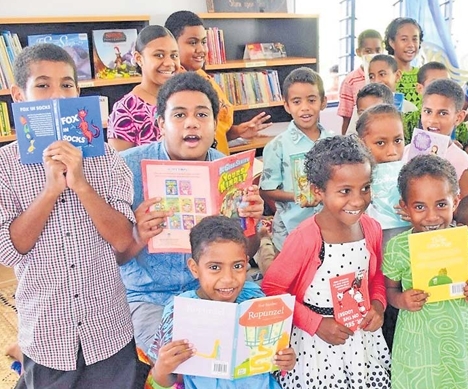
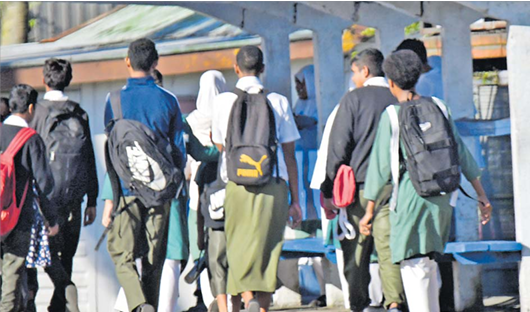
The first is the call by the President of the Fiji Head Teachers Association for inclusive education: “Every child, regardless of ability, must be welcomed, supported and celebrated .. every child should feel safe, valued, included and capable of learning. “The second is the comment in the editorial that democracy “works best when we all participate, seek information, listen to ideas and make informed choices. “The problem with implementing these noble ideals is that we have been ignoring for a long time a basic fact of life in Fiji: most people speak either Fijian or Fiji Hindi as their first language. So, the practice of delivering education only in English deprives most of our children of even a basic education. Similarly, the fact that most important information is conveyed only in English, and parliament and public meetings function only in English, essentially disenfranchises the majority of our citizens. To remedy this situation, we need to accept the fact that we are a multilingual nation, and look to countries such as Belgium, Canada, Switzerland and recently New Zealand for ways to ensure that all have equal educational opportunities and are able to contribute to debates on national issues. Paul Geraghty, Suva
Second chances
I believe all those men who attacked and robbed the taxi driver, a video which has gone viral, should be given a second chance. Even though they are third-rate cowards, no criminal record should be registered against them so that they can have a clean record to apply for a visa to travel to Australia to find a job and send money home to their families. We must follow tradition, culture and faith above foreign introduced laws — because this is Fiji and we do things differently here. I mean, in Fiji, the bigger a coward you are the more respect you will get — it’s a cultural thing which the vulagi will never understand. I am sure a lot of people in Fiji of faith will agree with me about the second chance. It is not only the PM who should get second chances. It should apply to everyone equally. Jan Nissar Sydney Australia
Time to build!
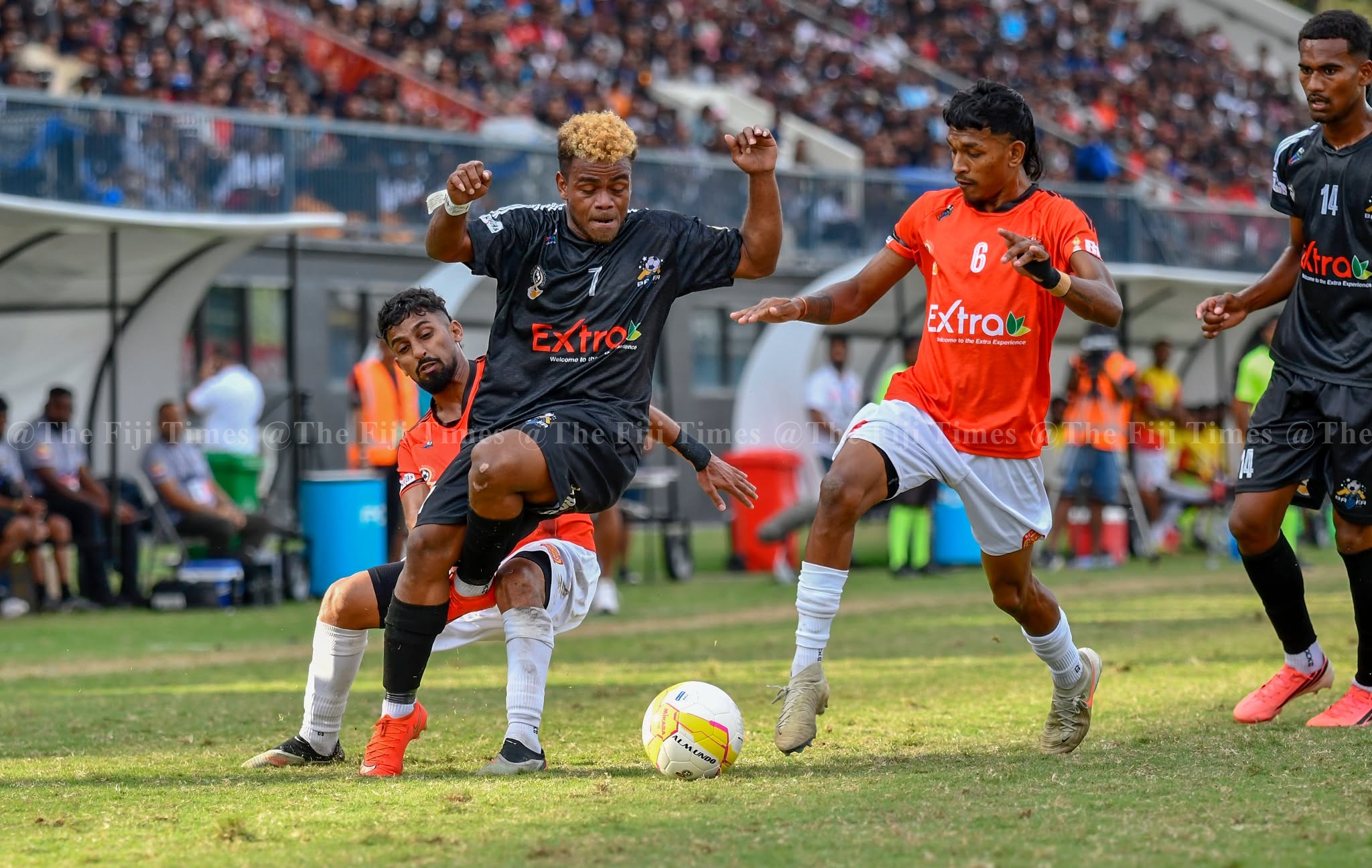
John Tabore touched on some vital components via his opinion (FT: 26/08) titled ‘Time for Fiji to build for sports future’. After the success of the Coca-Cola Games, Deans, hockey, netball and football, time has come to build for the future. Tabore touched on an important thought — the need to brace for atrocious weather conditions, in terms of facilities to cater for spectators and the ground condition. It’s a pity that spectators had to be turned away from the HFC Bank Stadium because it could not cater for those in attendance. It’s a pity that players had to play under heavy footing. It’s a pity that the netball games had to be called off because of the rain and soggy ground conditions. Imagine spending thousands of dollars on preparations only to be told that the eliminations were going to be called off because of poor ground conditions. I agree with Tabore that rain is part of life in Fiji and that there is a need to invest in sports facilities that can cope with it. The Coca-Cola Games and Deans finals are normally held at the HFC Bank Stadium. Rain mars the event. Hence, there is a need to plan and invest in sports facilities that will help unearth talents in Fiji. Let’s invest in sports like lawn and table tennis, badminton, squash, hockey and archery. It’s time to think outside the box. Vanua Levu needs one proper ground that can accommodate football, rugby, netball and volleyball. We need minds who can take sports to the greatest of heights. Rajnesh Ishwar Lingam Nadawa, Nasinu
Kava Law
Reading about the ‘Proposed kava law’ in a local newspaper, shocked me. It’s really an unfair matter taken forward. One kava stall owner rightfully said that it will hurt families relying on small kava sales for food and other household needs. Yes, it is going to hurt. And not only that, there are elderly people who rely on kava sales. Some of these elderly people don’t have anything else to lean on. Passing the Bill will only mean worse upbringing of families. If the Bill passes, one might wonder if this government should be believed. Passing the Bill will only make many voters cry. Aminisitai Tora Nadera, Nasinu
COI issue
Opposition MP Premila Kumar questioned whether Chief Justice Salesi Temo’s criticism of the COI as “money wasted” was appropriate (FT 27/8/26). She raises a very pertinent question. Justice Temo is the chair of the JSC the state body which appointed Barbara Malimali as FICAC commissioner. Her appointment caused considerable public controversy. The COI was subsequently set up to ascertain the circumstances surrounding her appointment. The High Court in its ruling determined that Ms Malimali’s appointment was inappropriate. Now thinking people must wonder if the Chief Justice had a personal agenda in publicly pronouncing the COI as money wasted? Rajend Naidu Sydney, Australia
Membership drop
I read online that overseas migration is a primary factor in the reduction of local membership in the Methodist Church in Fiji and Rotuma. Wrong. Membership is declining and members joining other denominations because of the absurd amount of compulsory church levies. Dou mai caka lotu se mai caka i lavo? Sobo! Wise Muavono Balawa, Lautoka
Political vessel
SOME were saying through the Constitution Review consultation to bring back the GCC into governance and also the Senate. FFS (For Fiji’s sake), our island nation’s governance should be way better and literate from the mindset of yesteryears. People that are calling for the reinstatement of the GCC to be part of governance and to bring back the Senate in Parliament, I believe, are still living in a primitive and preliterate society. Where would the much advocated “ke o turaga ni nomu vanua, ia mo tiko mai vanua ka qarava na kenai tavi”. Unlike some current ones who like to ride wonderfully on the political vessel using their traditional titles. We all have witnessed and experienced in the past political upheaval where our island nation headed to when members of the GCC were involved. AREKI DAWAI Suva
5 percent tax
I believe Fiji Airways partly owns Sofitel Resorts. Competitors genuinely raise questions why is it that only one hotel will benefit from the 5% tax rate. Dan Urai Lautoka
Active parenting
The Fiji Times comments by editor-in-chief Fred Wesley that “active parenting matters” (FT18/18) should alert all parents who continue neglecting their children despite reminders from the authorities. I believe parents should be taken to task and let them face the music. Many times parents are with their cell phones. I believe in schools, teachers take full responsibility while children are at school under their care. How you supervise at home matters most. Tahir Ali Hamilton, New Zealand
What the!
Seems a lot of these ‘shenanigan’-yans are being “Nolle Prosqui-ed”. What the actual fruit! Manoj Lal Patel Drasa Avenue, Lautoka
Repair the cause
One of the most frustrating sights on Fiji’s roads is a pothole being repaired, only for the same area to deteriorate again after a few days or weeks of rain. Now this raises an important question, are we spending too much time and money repeatedly treating the symptom instead of preventing the problem? Rain is a major factor because water can penetrate cracks and weaken road surfaces, damaging the layers underneath. Poor drainage, heavy traffic and an already deteriorated road base can make the problem worse. Once the foundation beneath the road has weakened, simply placing another patch on top may provide only a temporary solution. I reckon prevention should therefore receive greater attention, like regularly cleaning drains, culverts and roadside channels, sealing small cracks before water enters, repairing minor damage promptly and carrying out preventive resealing can stop many potholes from developing into major failures. Where the same pothole repeatedly returns, however, the answer may not be another patch. The underlying road base may require proper excavation, reconstruction and resurfacing. A stronger emphasis on preventive maintenance would make better economic sense. Money and labour currently spent repairing the same potholes repeatedly could be redirected towards other roads, drainage works and planned maintenance. A timely and durable repair may cost more initially, but it can save significant resources in the long run. Fiji’s pothole problem will not be solved by patching alone. We need to repair the cause, not merely the visible hole. Shamal Chand Kuku Village, Nausori
Tourism’s tax fallacy
The recent commentary by the CEO of the Fiji Hotel and Tourism Association (FT 27/08/26) attempting to dismiss macroeconomic analysis of our tourism sector rests on a fundamental misdirection of fiscal facts. First, parading Value Added Tax (VAT) and departure fees as proof of a heavy industry tax load conflates consumer-paid levies with corporate fiscal sacrifices. VAT is an indirect consumption tax paid by international tourists and everyday Fijians — including our poorest citizens who pay VAT on basic groceries. Hoteliers are merely statutory tax collectors, not fiscal martyrs. Furthermore, citing the 5 per cent Tourism Services Tax ignores that it applies exclusively to operators generating turnover above $2 million — leaving local budget accommodations fully exempt — and that these revenues are earmarked specifically for Fiji Airways. This does zero to fix failing municipal water mains, repair public roads, or upgrade sewage networks in resort corridors. Everyday Fijian taxpayers continue to foot the infrastructure bill servicing luxury enclaves. Second, pointing to legal distinctions between ALTA and TLTB leases fails to mask grassroots economic reality. Receiving slim payments calculated on unimproved land values while foreign resort conglomerates collect tens of millions in turnover remains deeply inequitable. Authentic reform demands a legally mandated 5 to 10 per cent gross turnover royalty paid directly to customary mataqali landowners. Third, highlighting isolated off-grid solar arrays in the Yasawas does nothing to solve the grid crisis on Viti Levu. High-density resorts draw heavily on public electricity and water grids, leaving local villages to endure rationing while commercial enclaves operate back-up generators. With front-line hospitality workers earning a minimum wage of $5 per hour while room rates reach thousands per night, and up to 70 per cent of tourists spend leaking offshore, chasing 1.25 million arrivals without structural reform is macroeconomic folly. National policy does not belong to commercial lobbyists. The hospitality industry must co-invest in public utility infrastructure, guarantee living wages, and deliver genuine equity to Fijian landowners. DR SUSHIL K SHARMA, Lautoka
An answer please!
I believe the Minister for Tourism and Civil Aviation should provide honest answers to questions raised against Fiji Airways’ purchase of additional equipment. Maintaining standards required of One World airline is a condescending reply. Dan Urai, Lautoka