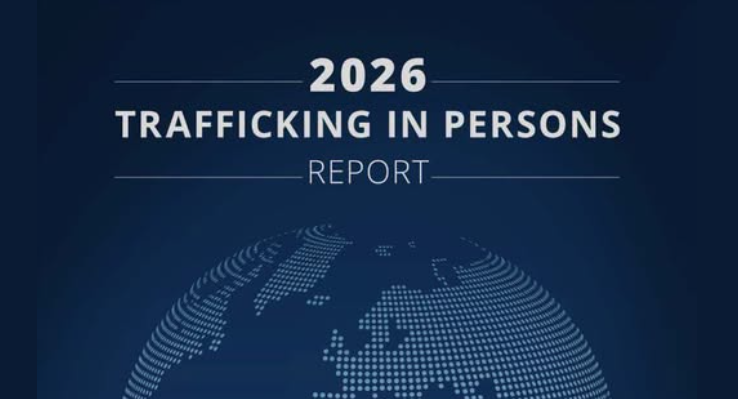
ABOUT 20 per cent of respondents in Fiji reported either personally experiencing, or knowing someone who experienced, indicators of human trafficking, according to the US State Department’s 2026 Trafficking in Persons Report.
The report says human traffickers exploit both Fijian and foreign victims in Fiji, while Fijians are also trafficked overseas.
Trafficking indicators were reported across hospitality, retail, food services, transportation, construction, agriculture, fisheries and forestry.
Children are identified as particularly vulnerable.
“Some Fijian children are at risk of sex and labour trafficking — including domestic servitude,” the report states.
It says traditional arrangements where children are sent to live with relatives or other families in larger cities can expose some to exploitation in exchange for food, accommodation, clothing or school fees.
The report also highlights an emerging connection between trafficking and Fiji’s illicit drug problem.
“Children are also increasingly at risk of exploitation in forced criminality to sell illicit drugs.”
Women were also reportedly subjected to forced criminality by family members or partners who used violence, abuse or psychological coercion to make them sell illicit drugs or participate in drug trafficking.
The report says foreign tourists seeking commercial sex acts can contribute to the exploitation of Fijian children, with taxi drivers or other facilitators allegedly transporting victims to hotels in tourist areas or private yachts.
Foreign workers from several Asian countries were also identified as vulnerable to labour trafficking in Fiji’s agriculture, construction, timber, manufacturing and fisheries sectors.
Migrant fishermen, particularly Indonesians, were reportedly vulnerable to forced labour aboard Fiji-flagged and foreign-flagged fishing vessels.
Reported methods of coercion included passport confiscation, threats of violence, debt, contract switching, excessive working hours and abusive living and working conditions.
The report also identifies climate-related displacement, poverty and school dropouts as factors increasing trafficking vulnerability.
Fijians were also reported as being vulnerable to labour trafficking overseas, including in Australia, New Zealand and Egypt.