Suva’s water supply is coming under increasing pressure, with the Savura Cascade feeding the Tamavua Water Treatment Plant recording flows below its minimum requirement.
Minister for Infrastructure Ro Filipe Tuisawau told Parliament this morning that the Central Eastern Region remained in a better position than the Western and Northern divisions but was showing signs of deterioration.
He said 12 of the region’s 15 water sources remained at normal levels, while three had been classified as critical.
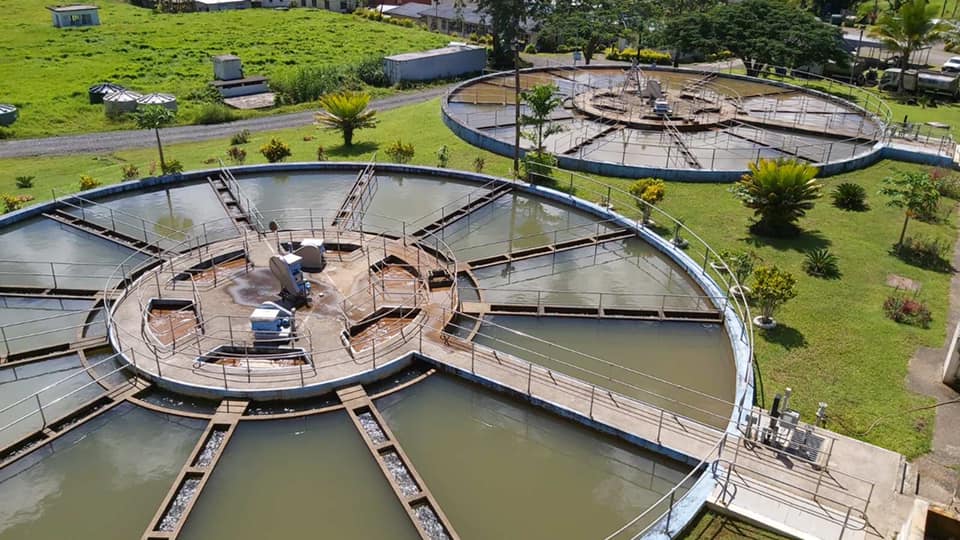
The most significant concern was the Savura Cascade, which supplies the Tamavua Water Treatment Plant serving about 94,000 people in greater Suva.
Mr Tuisawau said the cascade’s flow had dropped from 25.56 million litres a day to 19.86 million litres a day as of November 1.
This was below its minimum requirement of 20 million litres a day, leaving the Tamavua system operating at a 5.7 per cent shortfall.
He said the Savura Cascade was among the water sources under critical monitoring, alongside Waisa, which supplies Vunidawa, and Totogo in Levuka, where dam levels were depleted.
A total of 2276 people in the Central Eastern Region were affected by water supply disruptions.
This included 2000 people in the Tamavua supply area, 200 in Levuka, 43 in Navua and 33 in Vunidawa.
Mr Tuisawau said nine of the region’s 11 water systems were not operating at normal levels.
Five systems at Waila, Naboro, Nayagi, Deuba and Namau were extracting water above their maximum levels to meet demand.
Outer islands
The minister said groundwater sources on Rotuma, Vanuabalavu and Lakeba were more resilient but could approach critical levels if dry conditions persisted.
Kadavu, which relied on surface water, was expected to experience water stress first.
Mr Tuisawau said the deteriorating situation across the three regions highlighted the need for continued monitoring as Fiji faced the prospect of a prolonged period of very dry weather.