Only two of Fiji’s 44 monitored water sources are projected to remain at normal levels by January next year if dry weather continues, with the Government preparing staged water restrictions for Nadi and Lautoka.
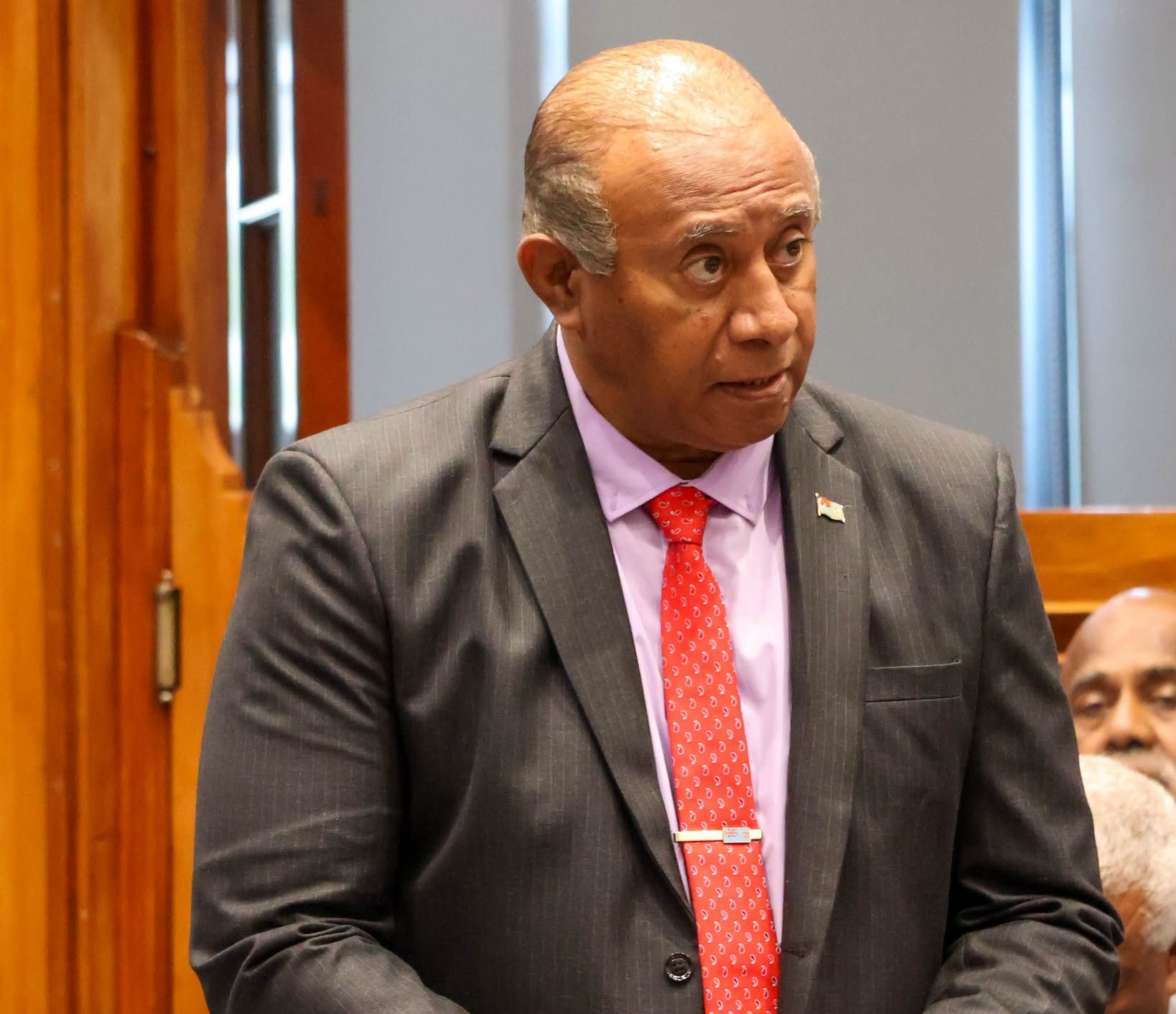
Minister for Infrastructure Ro Filipe Tuisawau told Parliament this morning that the Water Authority of Fiji’s projections showed a worsening national water supply situation over the coming months.
He said the proportion of water sources classified as critical was expected to increase from 43 per cent currently to 59 per cent in the second half of November.
This could rise to 75 per cent by the end of November and 82 per cent by January 2027.
“By January, only two sources nationally, Matovo in Sigatoka and Natua in Seaqaqa, are projected to remain at Normal,” he said.
The projections are based on the Fiji Meteorological Service’s Very Dry outlook.
By region, 11 of the Western Division’s 13 water sources are projected to be critical by the end of November.
In the Northern Division, 12 of its 16 sources are expected to reach critical levels by late November, increasing to 15 by January.
The Central Eastern Region is projected to have six critical sources by late November, increasing to 10 of its 15 sources by January.
Staged measures for Vaturu Dam
Mr Tuisawau said the Water Authority had developed a three-stage response plan for Vaturu Dam, which supplies about 223,000 people in Nadi and Lautoka.
Level 1 restrictions have been in force since September 26.
These include reducing rural water offtakes in Nadi and Lautoka between 9pm and 4am, aeration and chlorine pre-dosing at the Nagado Water Treatment Plant, weekly trunk-main pressure checks and a public advisory.
Level 2 measures are expected to begin around November 8 to 9 if the current rate of decline continues.
Under this stage, water treatment plant output will be reduced to between 92 million and 93 million litres a day.
A second public advisory will ask people to limit car washing, while hotels and resorts will be urged to conserve water.
Nadi reservoir outlets will also be reduced, while additional offtakes in Lautoka, including Tualesia and Tavakubu, will be managed.
The Water Authority will also increase monitoring of leakage and water losses.
Level 3 could be activated in late November under the worst-case scenario.
This would involve a third public advisory, night-time water rationing between 9pm and 4am, deployment of water tankers and a mobile treatment plant, alternative water sources and water carting.
Mr Tuisawau said water quality would also be closely monitored as the Government prepared for prolonged dry conditions.
The staged plan is intended to manage declining dam levels while maintaining water supply to communities dependent on Vaturu.