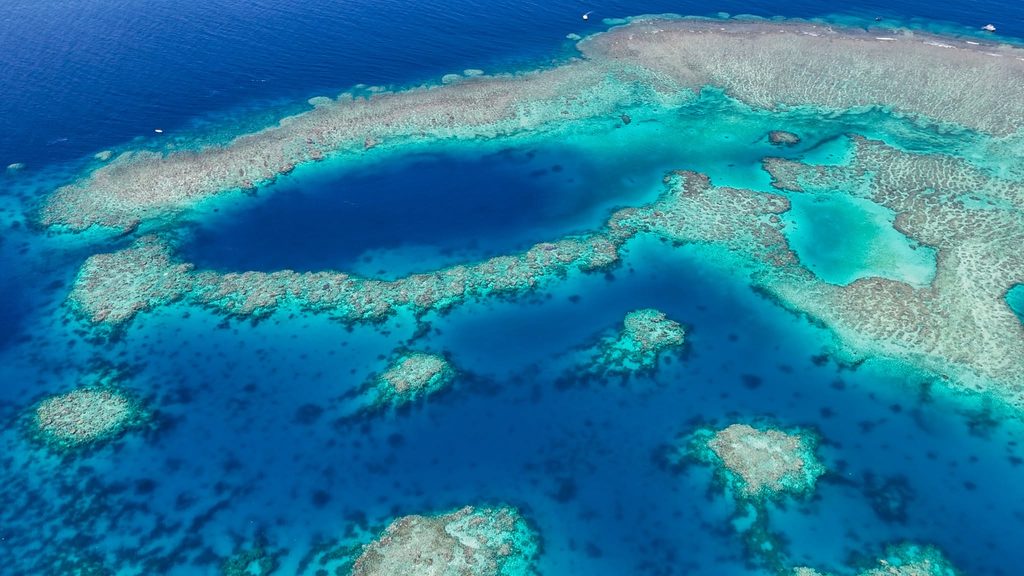
A FAMILY enjoying a day at the beach, a fisherman casting his line into the sea or a coastal community gathering seafood for dinner may have little reason to think about what happens to the chemicals washed away in an ordinary shower.
Yet this everyday activity points to an environmental challenge that scientists are increasingly investigating: the movement of chemicals from household products and other human activities into waterways, where their long-term effects may not always be fully understood.
Here in Fiji, where the ocean sustains livelihoods, ensures food security and cultural traditions, the issue raises important questions about the capacity to identify emerging pollutants and protect marine ecosystems before potential problems become more difficult to manage.
Dr Shaneel Chandra, a senior lecturer in chemistry at CQUniversity in Australia, raised these concerns during a University of the South Pacific seminar titled What’s in our waters? Hidden pollutants, smarter sensors and the future of coral reefs.
His message was not that Fiji’s seafood has been proven unsafe, but that scientists need a clearer understanding of the chemicals entering the environment, their sources and what happens to them after they are released.
The journey from household products to the ocean
Medicines, shampoos, sunscreen and body lotions are among the products Dr Chandra identified as potential sources of emerging contaminants.
When these products are washed off, their chemical components can enter wastewater systems.
Depending on where wastewater is discharged and how it is treated, some substances may eventually reach rivers, coastal waters and the ocean.
Conventional wastewater treatment plants are designed primarily to remove waste and reduce pollution using processes developed long before many of today’s emerging contaminants became a recognised concern.
Dr Chandra explained that treatment systems in Fiji today may not be equipped to remove every chemical entering them.
The problem is not unique to Fiji as Australia and other countries are also working to understand and manage contaminants that existing treatment processes may not adequately remove.
The term emerging contaminants covers a broad range of substances, including pharmaceuticals, personal care product ingredients and other chemicals whose presence, behaviour or effects in the environment require further investigation.
Some chemicals can persist in the environment, while others break down or transform into different compounds. Understanding these processes is important because the substances ultimately present in waterways may differ from those originally released.
What do we know, and what remains uncertain?
One of the most important points in Dr Chandra’s assessment is the distinction between identifying a potential pollutant and demonstrating its effects.
Scientists may know that a particular chemical can enter waterways, but further work may be required to establish its concentration at a specific location, how long it remains there and whether the levels present cause harm to marine organisms or people.
A 2024 research report co-authored by Dr Chandra and colleagues at CQUniversity examined emerging contaminants associated with wastewater treatment plant discharges.
It highlighted the global challenge posed by chemicals whose breakdown products, persistence and effects on environmental and human health remain insufficiently understood.
While findings provide a wider scientific context for the questions raised in Fiji, they should not be mistaken for measurements of contamination in Fiji’s waters.
These questions require targeted sampling, laboratory analysis and assessments of potential exposure.
Nevertheless, uncertainty is not a reason to disregard the issue.
It is a reason to improve monitoring so that decisions about environmental protection are based on reliable evidence.
Why Fiji cannot afford to ignore the question
For many Fijians, the ocean is more than a recreational space.
Fish and other marine resources contribute to household diets, livelihoods and community life.
Dr Chandra noted that people who fish for food cannot always treat their catch as a recreational activity.
When seafood forms part of a family’s regular diet, understanding the condition of the marine environment becomes particularly important.
If pollutants are found to be affecting marine organisms or entering food chains, the implications could extend beyond ecological damage to questions of food safety, public confidence and the livelihoods of coastal communities.
However, the scale of any such risk in Fiji must be established through evidence rather than assumption.
Dr Chandra also highlighted the difficulties small island countries face in conducting specialised environmental testing.
Such arrangements can add costs and delays, making it harder to conduct frequent and comprehensive monitoring across multiple locations.
The challenge, therefore, is twofold: understanding what is happening in the environment and developing the capacity to detect changes early enough to respond effectively.
Smarter monitoring and stronger prevention
At the USP seminar, Dr Chandra discussed the potential of low-cost, solar-powered sensors capable of transmitting water-quality data in real time.
Such systems could help researchers and authorities monitor selected indicators, identify changes and determine when more detailed investigation is needed.
Not every chemical can be detected by a single sensor, however.
Monitoring technologies must be validated for their intended purpose, and laboratory analysis remains necessary for many contaminants.
Improving wastewater infrastructure is another consideration, although upgrading treatment systems to remove a wider range of chemicals can be expensive and technically demanding.
Dr Chandra acknowledged that even Australia faces difficulties in completely removing certain contaminants.
Investment decisions in Fiji must therefore be considered alongside existing pressures on water and wastewater infrastructure.
Better management of chemical waste, responsible disposal of medicines, effective regulation and reducing the release of pollutants at their source can complement improvements in treatment technology.
The first step should be to establish what contaminants are present, where they originate and which locations may require closer monitoring.
That means strengthening collaboration between universities, government agencies and research institutions, while making the best use of available scientific expertise.
Listening to communities
Laboratory research is essential, but Dr Chandra also argued that local observations should not be overlooked.
Communities living beside rivers, mangroves and coastlines may notice changes in water colour, vegetation or wildlife before those changes are formally investigated.
Their observations cannot, by themselves, establish which chemical is responsible or prove that contamination has occurred. They can, however, help researchers identify locations and changes that warrant scientific attention.
Recognising indigenous knowledge and the experience of local resource owners can therefore strengthen environmental monitoring rather than compete with scientific evidence.
Fiji’s response should bring these different sources of knowledge together.
The country’s reefs and coastal ecosystems face multiple pressures, and emerging chemical pollutants are only one part of the wider environmental picture. Understanding their contribution will require sustained research, careful measurement and policies informed by the evidence.
The challenge is not to create fear about the water or seafood on which communities depend.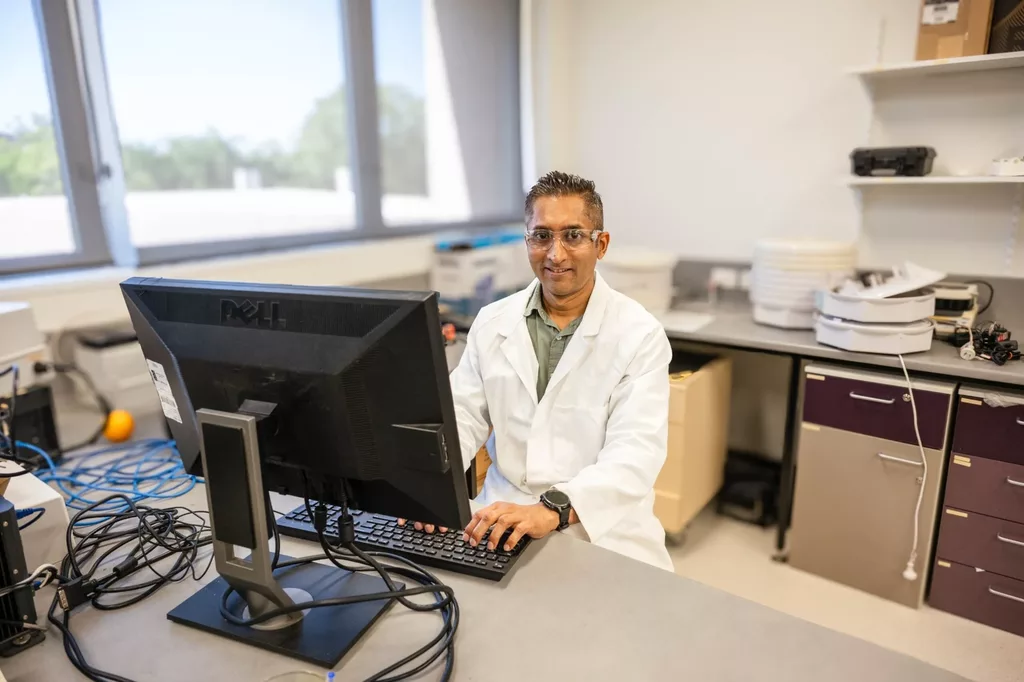
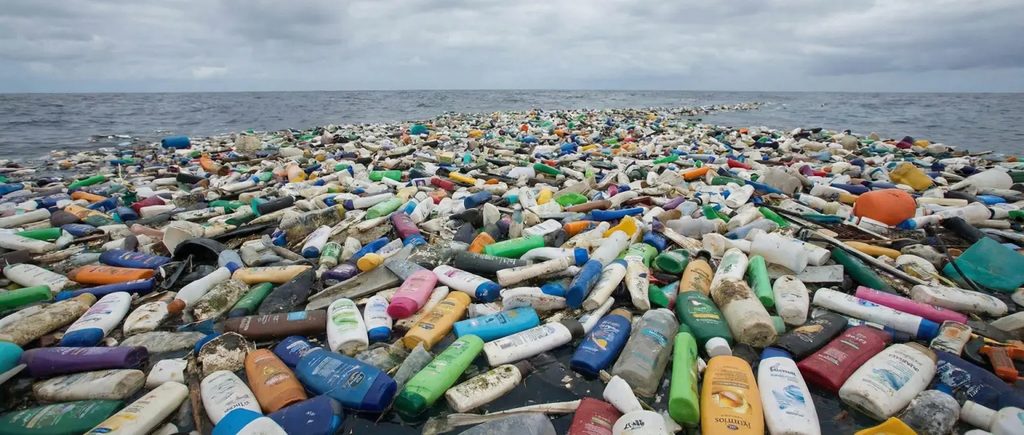
Empty packs of face, skin and hair products find their way to the sea. INSET: Dr Shaneel Chandra’s research highlights the importance of improved monitoring and laboratory analysis to identify emerging contaminants and understand their behaviour in the environment. Picture: naturalanswerproducts.com/ SUPPLIED