THE words of his father have stayed with Kolinio Qarau Samuta for decades: never forget where you come from and your people.
At 40, and after spending 16 years in Australia building a life with his family, Samuta returned to Navutulevu Village in Ra to put that advice into practice.
His vision is Nanumi Au Eco-Village, a retreat that offers visitors a taste of village life while creating opportunities for his mataqali.
What began as a family project on a sugarcane field has grown into a business welcoming visitors from overseas, campers from Suva and Nadi, and groups looking for an alternative to conventional accommodation.
For Samuta, however, the project is about more than tourism. It is a way to make use of ancestral land and ensure its development benefits the people connected to it.
“After establishing ourselves overseas, I told my wife that before I leave this world, I want to return to Fiji and use our resources to create something meaningful for our people,” he said.
The journey home
Born in Ra, Samuta grew up in Navutulevu Village, where his grandfather served as the turaga ni yavusa. His father was the eldest of his grandfather’s children, and Samuta is his father’s only son.
At the age of 12, he received advice that would shape his outlook on life.
“My father told me to never forget where I’m from and my people,” he said.
Samuta migrated to Australia in 2010.
He had met his wife in 2009, and the couple married in 2012. They have four sons, with their eldest son now 13.
While building a life overseas, Samuta continued to think about returning to Fiji and contributing to the development of his village.
About 10 years ago, he and his wife began putting that plan into action.
The property, once used as a sugarcane field, became the foundation of their vision.
During holidays in Fiji, the family would work on the land, clearing the area, building a house and planting trees.
The project developed gradually, with the couple investing time and effort into preparing the property for a future they were still shaping.
One year before the COVID-19 pandemic, Samuta asked his wife if they could return to Fiji.
Their sons enrolled at Rakiraki District School, the same school he had attended as a child, while the family continued building their home.
His wife, who ran her own business in Australia travelled frequently to Fiji to visit them.
However, the pandemic disrupted their plans. Before the international borders closed, his wife urged the family to return to Australia.
“When we arrived in Sydney, the pilot announced that it was the last international flight,” Samuta recalls.
The family remained in Australia until the borders reopened, after which they returned to Fiji and resumed work on the property.
From a house to a business
The turning point came when the couple converted their house into an Airbnb.
The response showed them that the property had potential beyond being a family home.
“We showed the potential, and within two years, a lot of guests were coming in,” Samuta said.
Encouraged by the interest, the couple discussed their next step and decided to commit to developing the eco-village.
In December last year, they sold everything in Australia, packed their bags and returned to Fiji to get the business underway.
Nanumi Au Eco-Village has since welcomed guests for nine months, with bookings from Canada, the United States and groups from around the world.
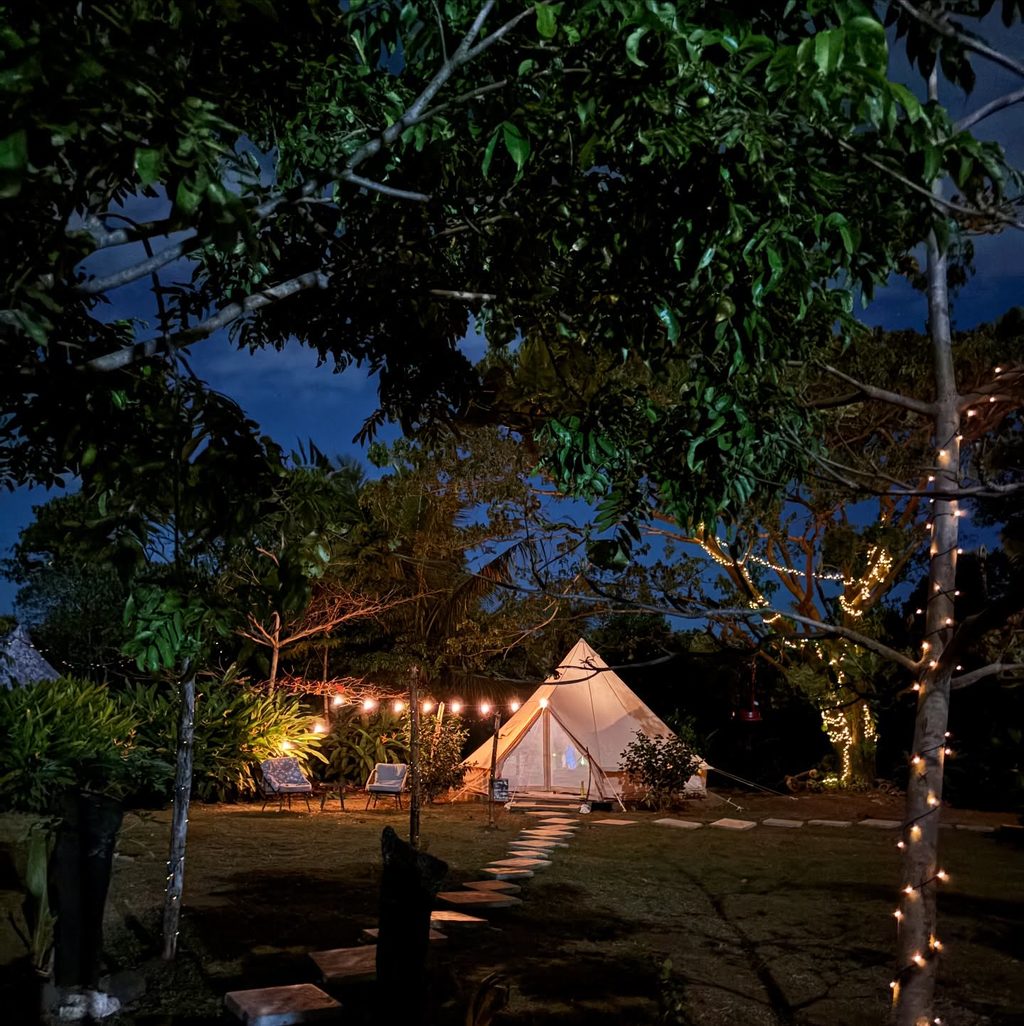
The eco-village is designed as a camp retreat for people who want to enjoy a simpler way of life, experience village surroundings and share cultures.
Samuta said establishing the business was not easy. Although he had a clear vision, persuading others to support it took time.
“The first five years were quite challenging,” he said.
Family obligations also had to be balanced with the demands of developing the property.
The experience taught him to manage those responsibilities while continuing to work towards his goal.
“Sometimes I would fall, but I always remind myself that, no, I can do it. I pick myself up again and continue,” he said.
A different camping experience
Nanumi Au Eco-Village offers several accommodation options, catering to visitors who enjoy camping as well as those seeking a more comfortable stay.
Glamping, an idea introduced by Samuta’s wife is available for six months of the year.
During the cyclone season, the tents are taken down and stored away.
A newly constructed bure will provide permanent accommodation, helping the business maintain a more consistent offering throughout the year.
The couple also saw an opportunity to attract campers, particularly because they believed there were not many camping sites in Fiji.
“We loved it because there aren’t many camping sites in Fiji, so we thought we would tap into that,” Samuta said.
Visitors can bring their own tents and use the available kitchen, bathroom and toilet facilities, or book one of the eco-village’s tents.
Another option is the eco-hammocks, which guests can book and have set up according to their preference. Depending on the weather, they can sleep outdoors or inside the hall.
The concept has attracted interest from families and groups. Last month, the eco-village hosted its biggest group to date, with 13 adults and 12 children from Denarau.
The children wanted to sleep on the hammocks, an encouraging response for Samuta as he continues developing the experience.
The eco-village is also open to people staying at resorts and hotels who want to experience village life without having to stay overnight.
Samuta hopes visitors will also embrace a break from their digital devices.
One of the rules he is trying to incorporate is a digital detox, encouraging guests to put aside their phones, tablets and other gadgets and enjoy the environment and activities offered at the property.
Progress for the people
At the centre of Samuta’s vision is the belief that the eco-village should benefit more than one family.
He works closely with his mataqali members and uses yavusa meetings to discuss the project’s development and its wider purpose.
“When we sit for our yavusa meeting, I always say that it’s not only about me, but it’s about the progress of our mataqali, so that everyone benefits,” he said.
The business currently employs three people: two housekeepers and a caretaker. His wife also helps him run the operation.
The eco-village stands on the old Navutulevu Village site, known as the koro makawa. Fragments of old pottery can be found around the area, giving the property a connection to the village’s past.
For Samuta, that history adds another dimension to the place he is working to develop.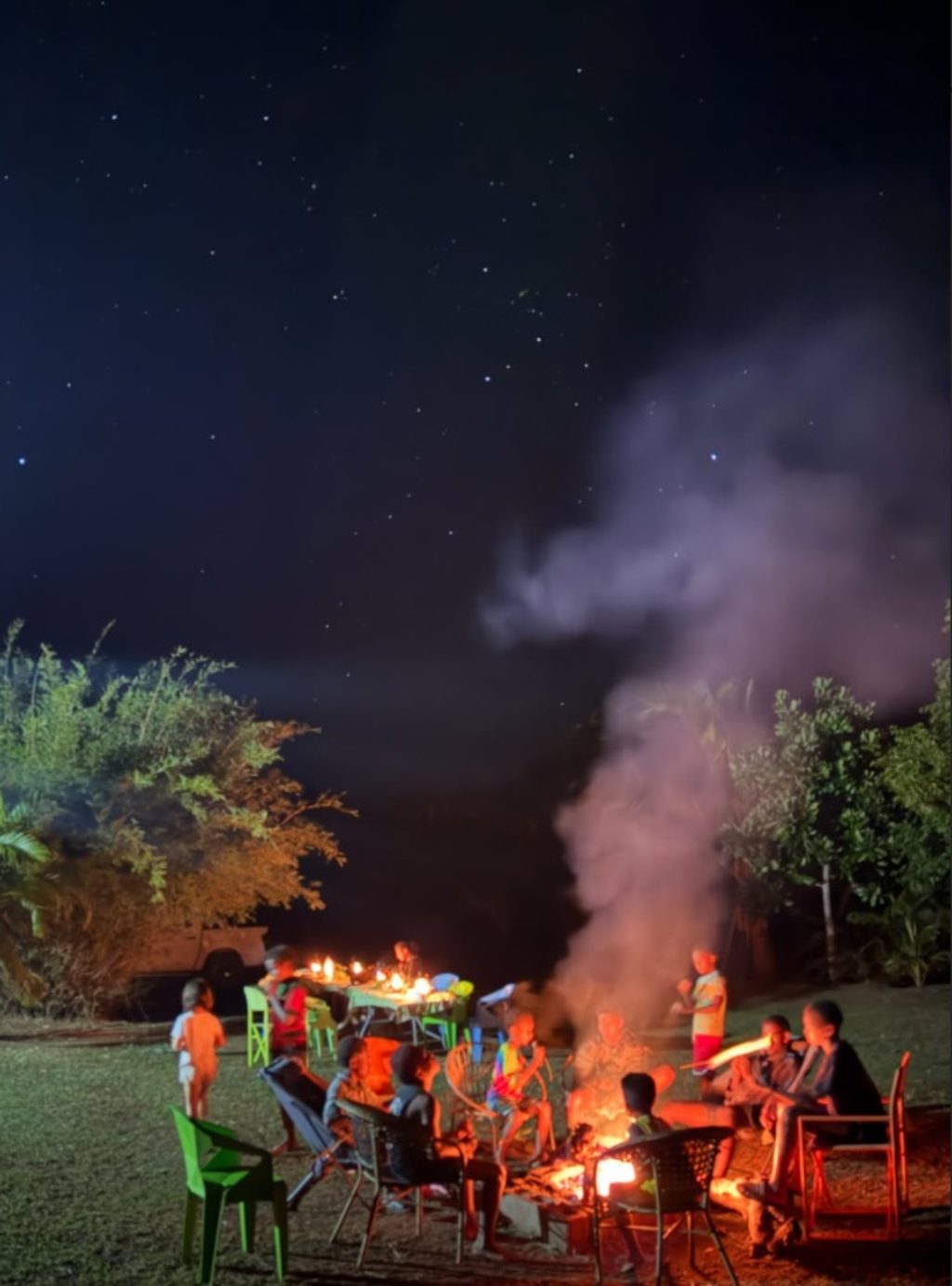
The couple also saw an opportunity to attract campers, particularly because they believed there were not many camping sites in Fiji.
Picture: NANUMI AU ECO-VILLAGE
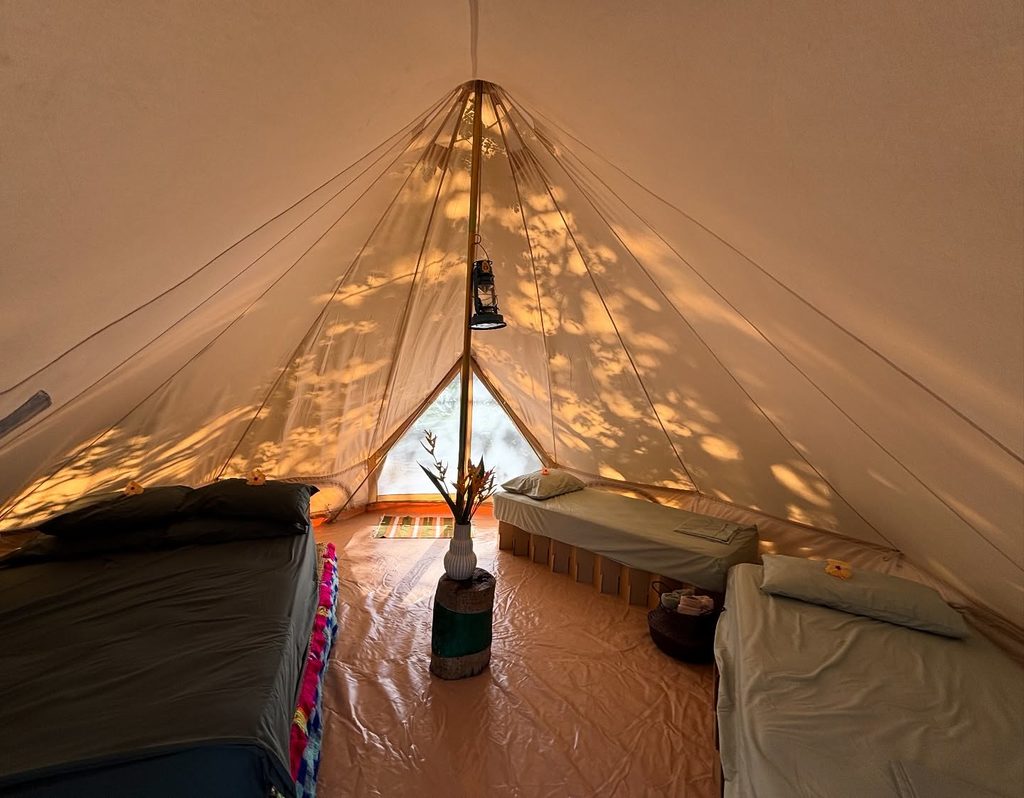
Nanumi Au Eco-Village offers several accommodation options, catering to visitors who enjoy camping as well as those seeking a more comfortable stay. Picture: NANUMI
AU ECO-VILLAGE
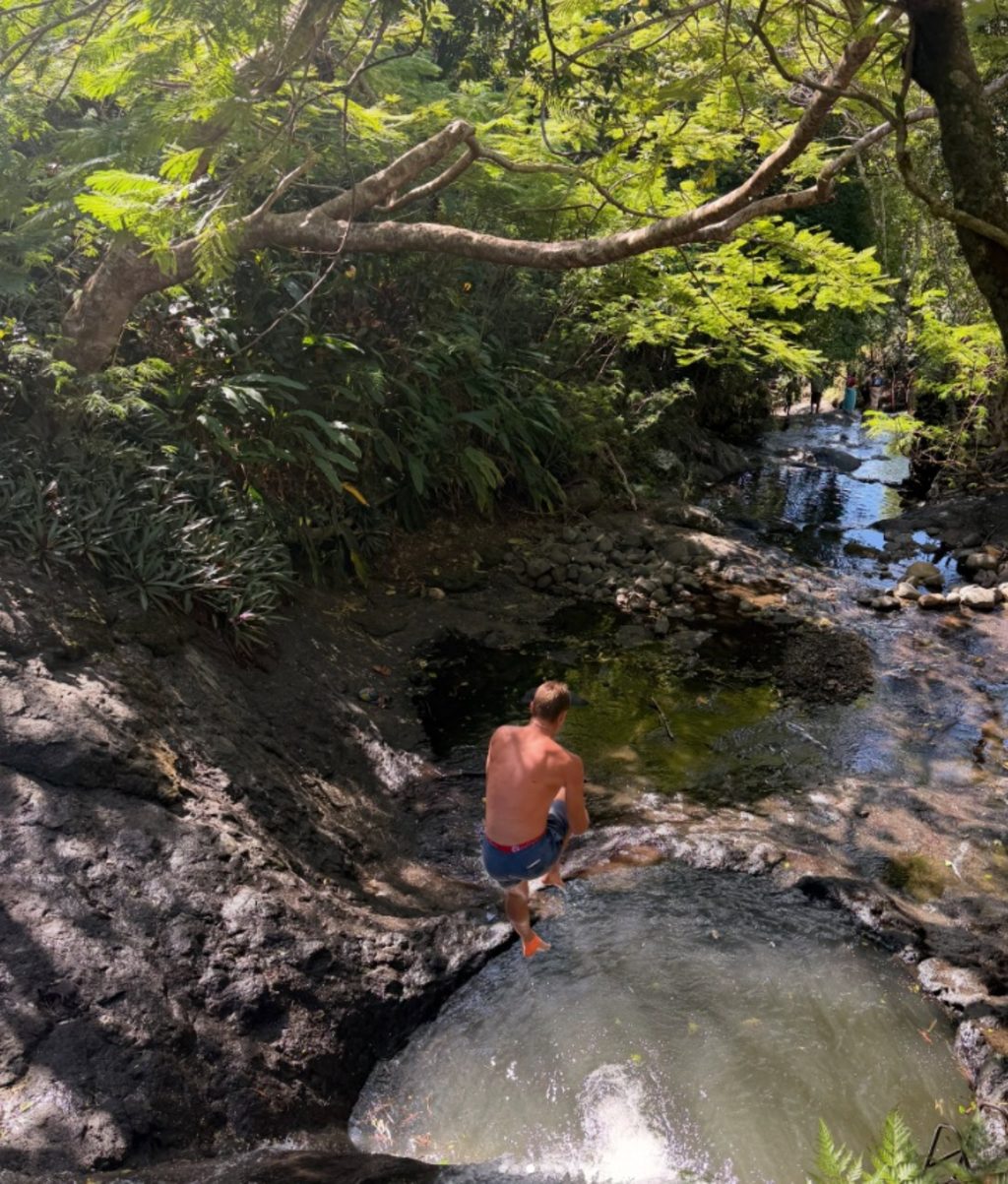
Nanumi Au Eco-Village has since welcomed guests for nine months, with bookings from Canada, the United States and groups from around the world. Picture: NANUMI AU ECO-VILLAGE
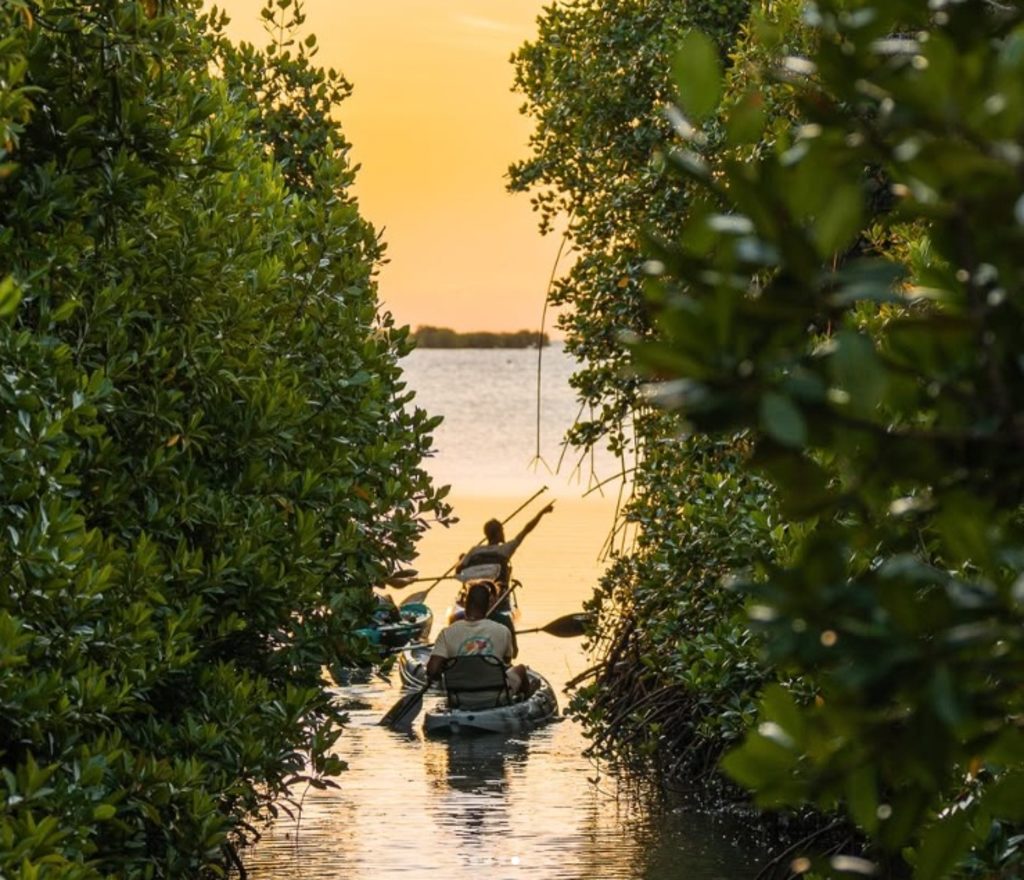
Nanumi Au Eco-Village is a retreat that offers visitors a taste of village life while creating opportunities for the mataqali. Picture: TOURISM FIJI
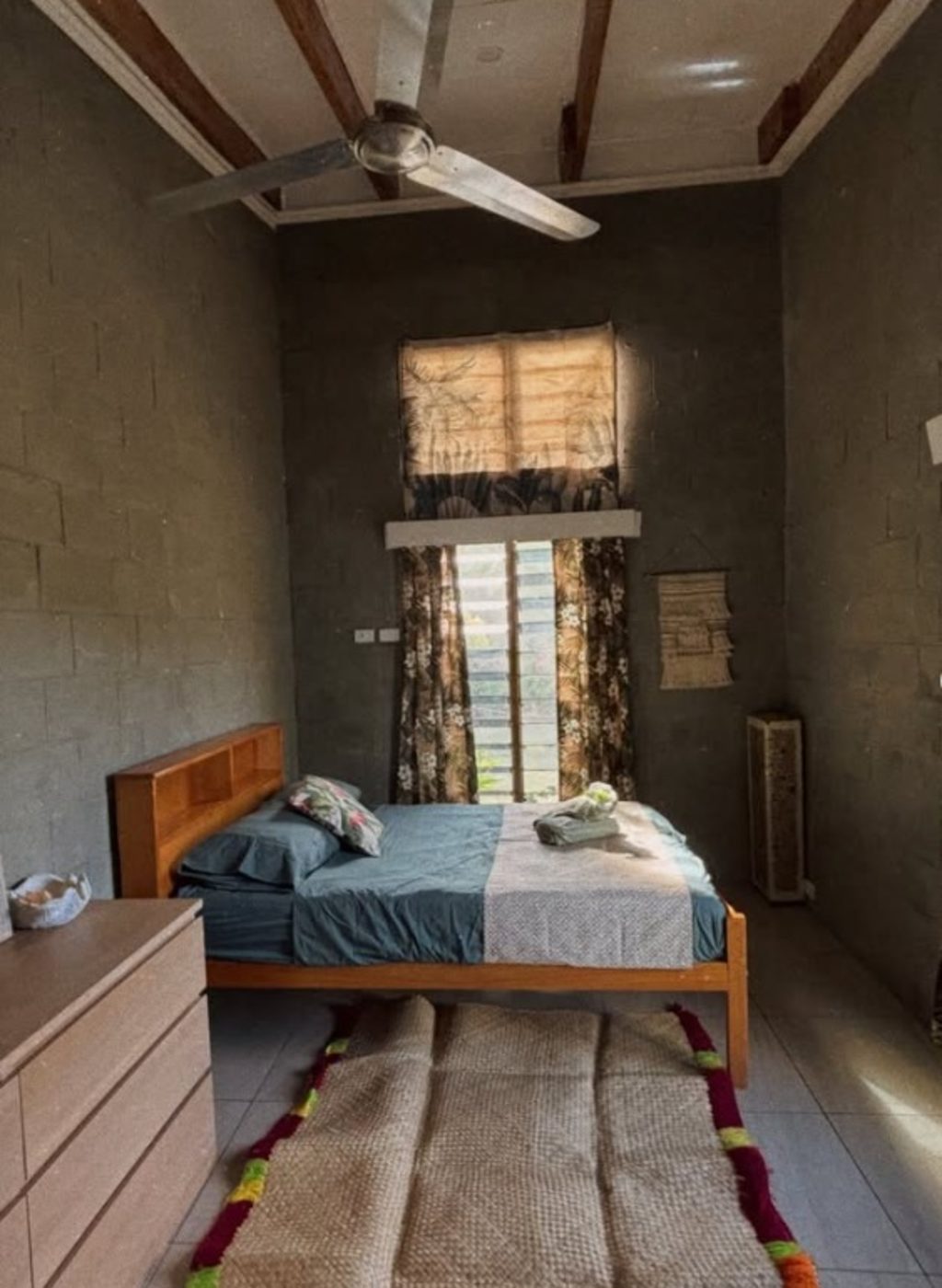
Nanumi Au Eco-Village has since welcomed guests for nine months, with bookings from Canada, the United States and groups from around the world. Picture: NANUMI AU ECO-VILLAGE
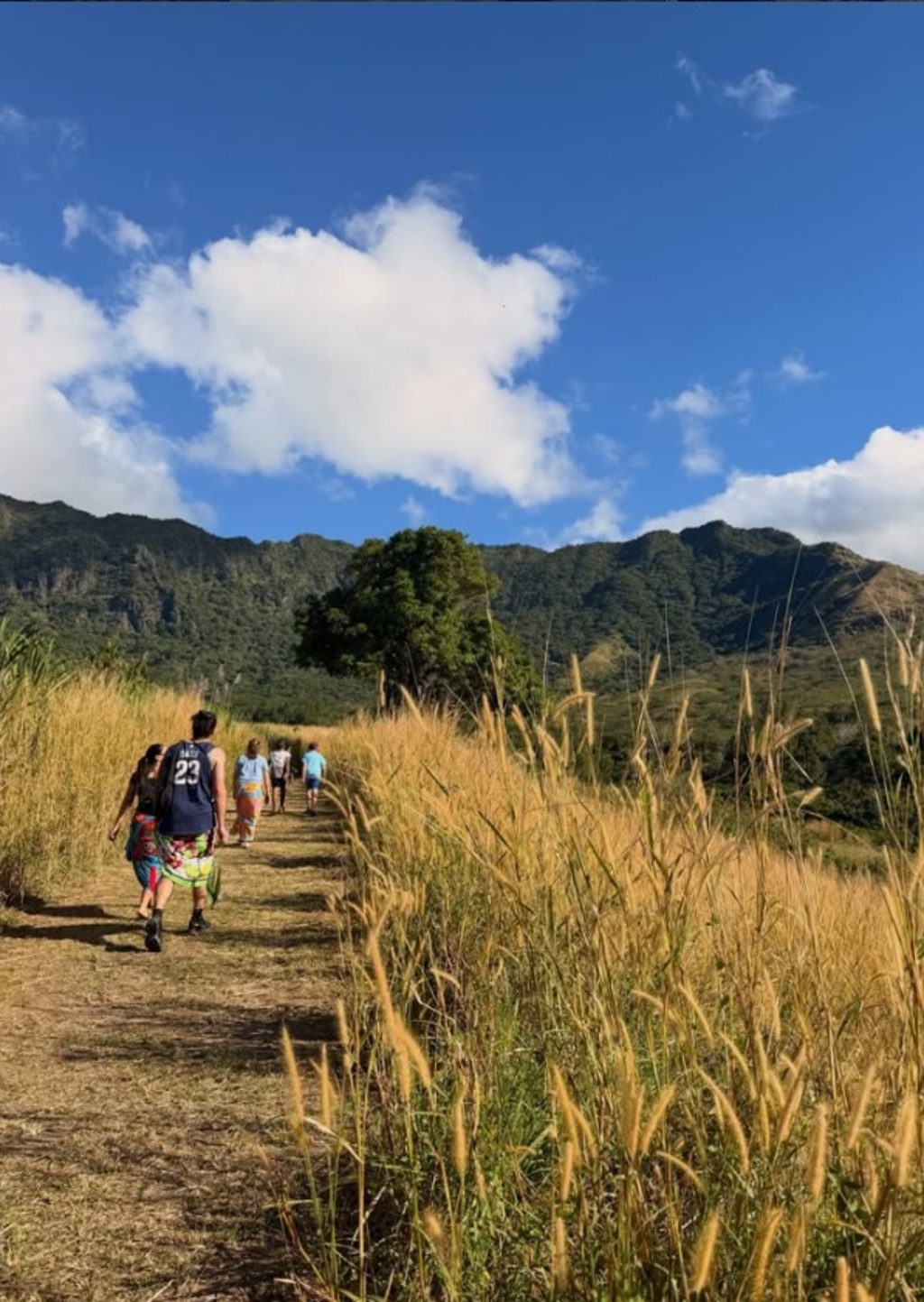
One of the concepts the set-up tries to incorporate is digital detox, encouraging guests to put aside their phones, tablets and other gadgets and enjoy the environment and activities offered.
Picture: NANUMI AU ECO-VILLAGE
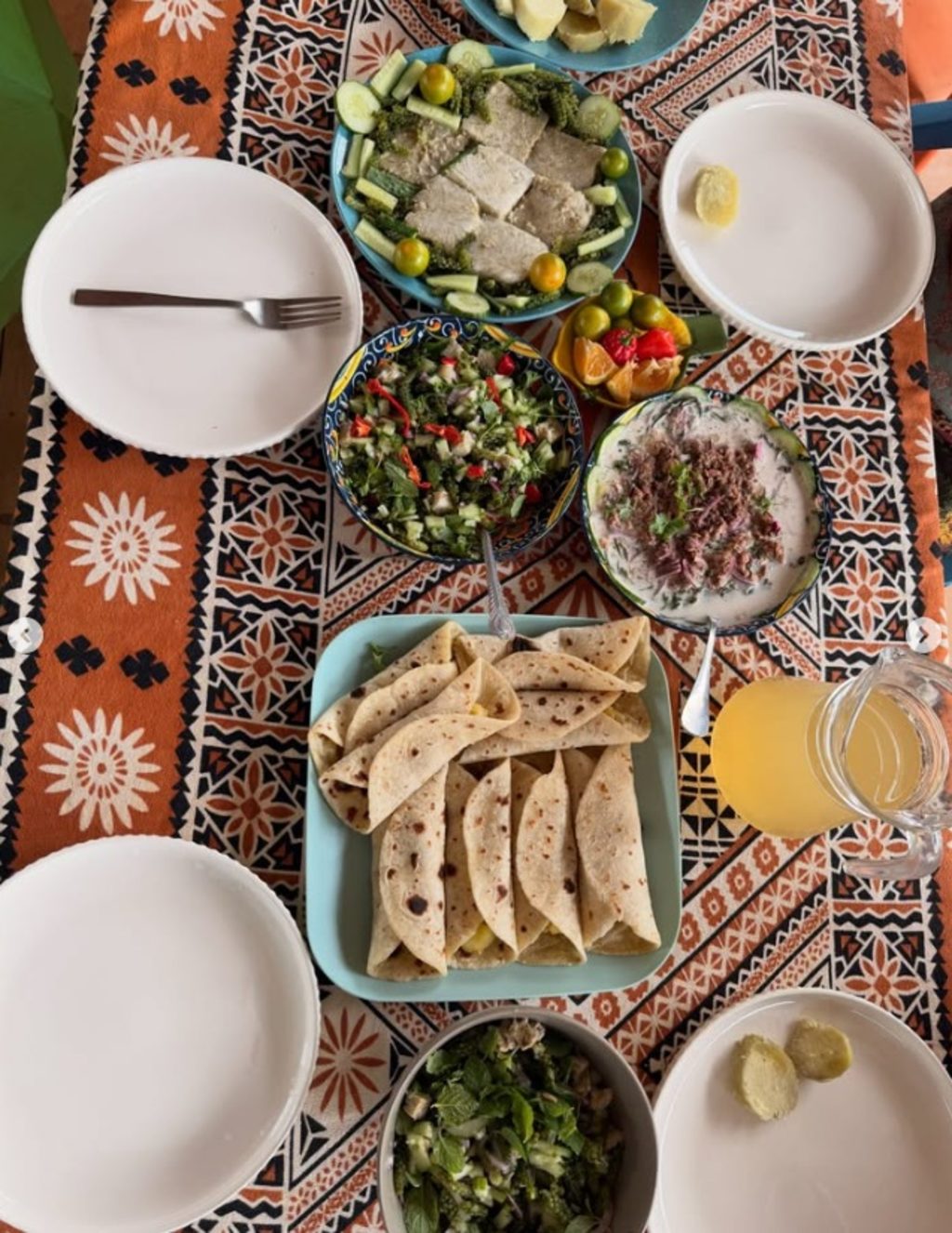
Guests get to enjoy Fijian meals made by the women from the village.
Picture: NANUMI AU ECO-VILLAGE