FIJI’S financial intelligence system is producing vast amounts of information on suspicious financial activity, but Parliament has raised concerns over whether that intelligence is consistently translating into investigations, prosecutions and the recovery of criminal assets.
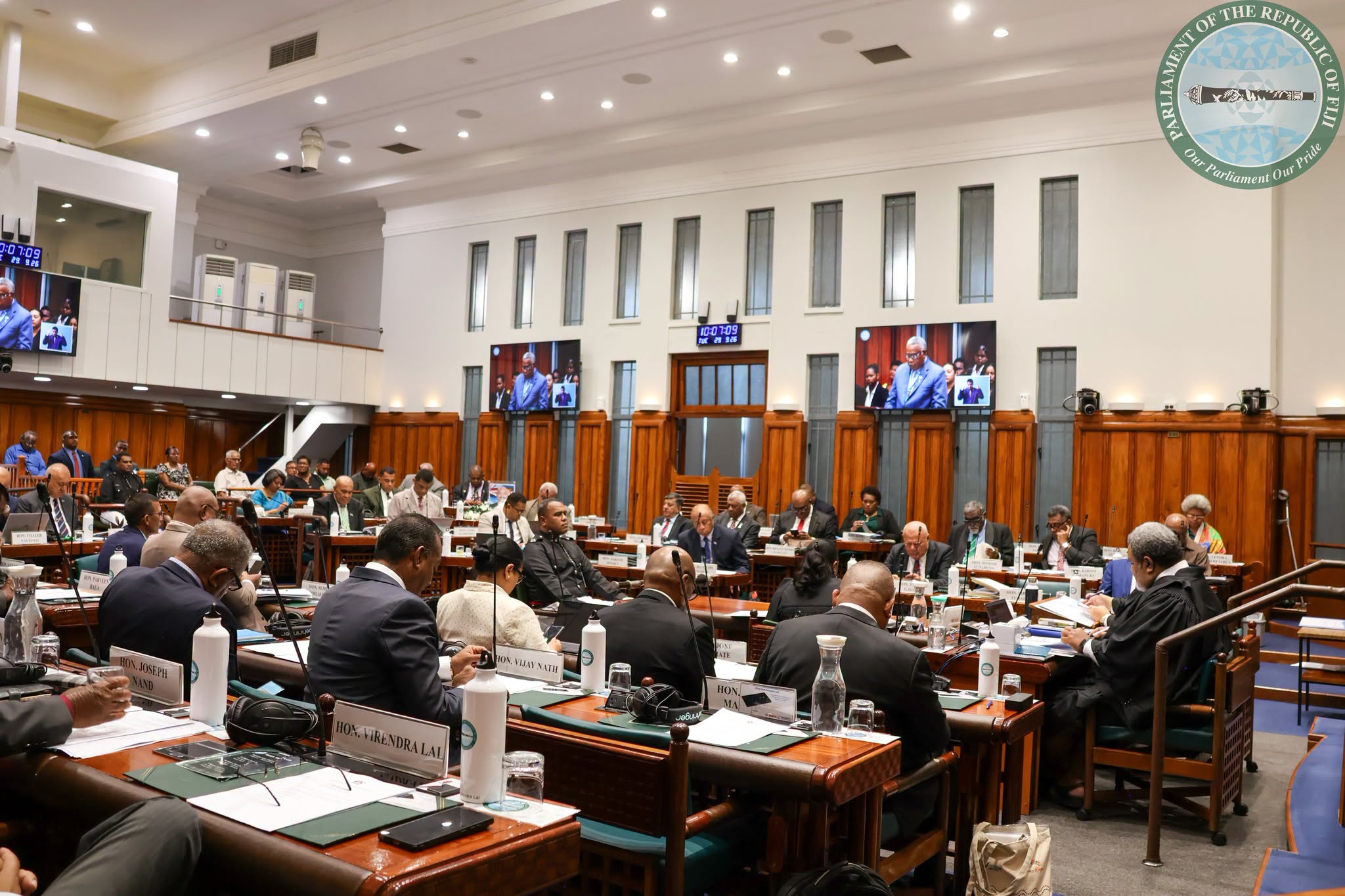
The issue dominated debate on the Standing Committee on Economic Affairs’ review of the Fiji Financial Intelligence Unit (FFIU) 2024 Annual Report, with Members of Parliament calling for stronger coordination, better intelligence analysis and clearer accountability for what happens after intelligence is passed to enforcement agencies.
The committee reported that in 2024 the FFIU managed a database containing approximately 87 million financial transactions, received $6.14million transaction reports, analysed 304 suspicious transaction reports and disseminated intelligence products to law enforcement agencies and Government stakeholders.
It also noted that authorised officers from partner agencies extracted 1334 financial data reports from the FFIU database to support investigations and intelligence activities.
Critical gaps
But the committee identified what it considered a critical gap between intelligence production and enforcement outcomes.
“While 237 intelligence products were disseminated during 2024, the committee found limited information on the enforcement outcomes resulting from those referrals,” committee chairman Sakiusa Tubuna told Parliament.
The committee said stronger feedback mechanisms and closer coordination between the FFIU and recipient agencies were necessary to establish whether intelligence was leading to enforcement action.
That concern was echoed by MPs during debate.
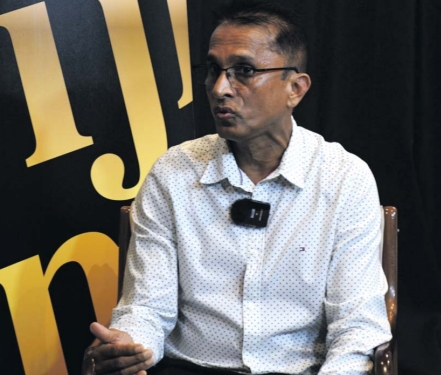
Opposition MP Rinesh Sharma described financial intelligence as a critical weapon against organised crime and questioned whether Fiji’s system was keeping pace with the country’s changing crime environment.
“Money is the oxygen of organised crimes,” Mr Sharma said.
He said the FFIU received 559 suspicious transaction reports in 2024 but analysed 304, leaving 255 reports outstanding at the time under discussion.
He also pointed to a decline in intelligence products sent to law enforcement, saying the number fell from 429 in 2023 to 237 in 2024.
“The question I put before this House is simple, Mr Speaker, is our financial intelligence system strong enough to follow that money?”
He called for stronger legislation covering emerging financial activities, including virtual assets, cryptocurrency exchanges and digital wallets, as well as greater analytical capacity within the FFIU.
Among his proposals was a requirement for agencies receiving FFIU intelligence to report back on the outcome of each referral within 90 days.
Tax crimes
The committee’s review also identified significant exposure to tax-related offences.
According to the report, tax crimes accounted for approximately 86 per cent of the total transaction value associated with disseminated intelligence cases during 2024.
Mr Sharma argued that financial crime was not simply a policing issue but had wider consequences for public revenue.
“Every dollar of tax evaded is a dollar taken from our hospitals, schools and our roads.
“Every scam is a family in Fiji robbed of its savings.”
Supervision gaps
Another concern raised in Parliament was the level of supervision of sectors vulnerable to money laundering.
The committee highlighted limited on site compliance examinations of high-risk sectors, including legal practitioners and real estate agents.
Opposition MP Semi Koroilavesau focused on the relationship between the FFIU, the Fiji Police Force and Fiji Revenue and Customs Service.
“There is a huge pool of information that exists between the three agencies,” he said, arguing that information-sharing needed to be more effectively coordinated.
Mr Koroilavesau also questioned whether officers seconded from enforcement agencies to the FFIU were sufficiently independent in their roles.
He suggested that representatives from the Police and FRCS should be able to work more independently within the FFIU and report information back to their parent agencies without compromising the intelligence process.
Need for training
Former Opposition leader Faiyaz Koya also warned that Fiji’s financial crime framework must keep pace with rapidly changing technology.
“It is no longer just about financial reporting — you have trading that goes on with respect to Bitcoin, et cetera,” he said.
He said the FFIU needed greater training and capacity to deal with emerging forms of financial crime and questioned whether its current funding arrangements were sufficient.
The FFIU is funded by the Reserve Bank of Fiji, and Mr Koya said the institution needed to be able to operate freely and independently while providing the Police Force with the intelligence required to address transnational crime.
Another weakness highlighted during the debate was the absence of clear performance measures.
No performance targets
The committee found that the FFIU’s 2024 Annual Report did not contain annual performance targets, key performance indicators or clearly articulated benchmarks.
Mr Koya said the absence of predetermined targets limited Parliament’s ability to assess the unit’s performance.
“It is a very important thing that we actually should put at the forefront of any new legislative reform,” he said, referring to the need to strengthen intelligence development and the broader financial crime framework.
Government supported the committee’s recommendations.
Cooperation necessary
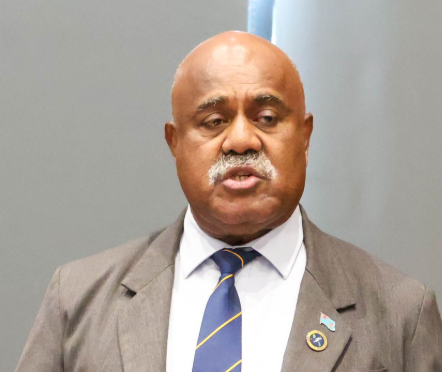
Justice Minister Siromi Turaga said stronger cooperation between the FFIU, Fiji Police Force, FRCS, Fiji Independent Commission Against Corruption and the Office of the Director of Public Prosecutions was necessary.
He said the Government supported six broad areas identified by the committee, including stronger enforcement collaboration, increased risk-based supervision, periodic legislative and operational reviews, a formal inter-agency feedback framework, improved intelligence development and the introduction of annual performance targets and key performance indicators.
Mr Turaga said the Government had also begun strengthening Fiji’s anti-money laundering and counter-financing of terrorism framework, including beneficial ownership transparency.
He said the FFIU had reviewed its internal processes since 2024 and was working to improve the quality of intelligence provided to law enforcement.
The Unit’s Strategic Plan 2025-2029, he said, provides strategic objectives while annual work plans identify performance indicators and targets.
The Government also pointed to Fiji’s National Risk Assessment, completed in 2025, as an important tool for identifying the country’s principal financial crime threats and guiding the allocation of resources.
The debate comes as Fiji prepares for continued scrutiny of its anti-money laundering and counter-financing of terrorism framework, including the findings of the September 2026 Mutual Evaluation referred to by Government during the debate.
Parliament subsequently voted to note the contents of the Review Report on the FFIU 2024 Annual Report, however, the central issue remains what happens after financial intelligence is generated, whether that information is ultimately being converted into action — and whether the country can measure the results.