The Counter Narcotics Bill 2026 proposes giving senior officers powers to seek covert surveillance warrants to secretly monitor and record a person’s conduct and communications, including telecommunications.
Under clause 127, a senior officer may apply to an issuing authority for a warrant where there are reasonable grounds to suspect or believe that a person has committed, is committing, or is about to commit a covert operation offence.
The application must set out the facts supporting the suspicion or belief, how the surveillance would be conducted, the person to be monitored if known, the proposed location, the identity of anyone who may be required to assist, and the requested duration.
In urgent circumstances where a written application is not reasonably practicable, the Bill allows an application to be made orally, including by telephone.
The issuing authority may grant the warrant if satisfied there are reasonable grounds for the suspicion or belief.
A warrant could authorise Bureau officers to enter or re-enter a specified place, including by force if necessary, to carry out the surveillance.
The warrant may also be renewed through a further application, allowing surveillance to continue subject to any authorised variation.
Privacy considered
Clause 129 sets out factors the issuing authority may consider before granting a warrant.
These include the nature and seriousness of the alleged offence, the extent to which people’s privacy may be affected, whether alternative methods could obtain the information, whether those alternatives could prejudice an investigation through delay, and the likely investigative and evidentiary value of the information sought.
The authority may also consider any previous warrant sought or issued in relation to the same offence.
The Bill further requires a covert surveillance warrant to specify how the monitoring is to be authorised, with the detailed requirements continuing under clause 130.
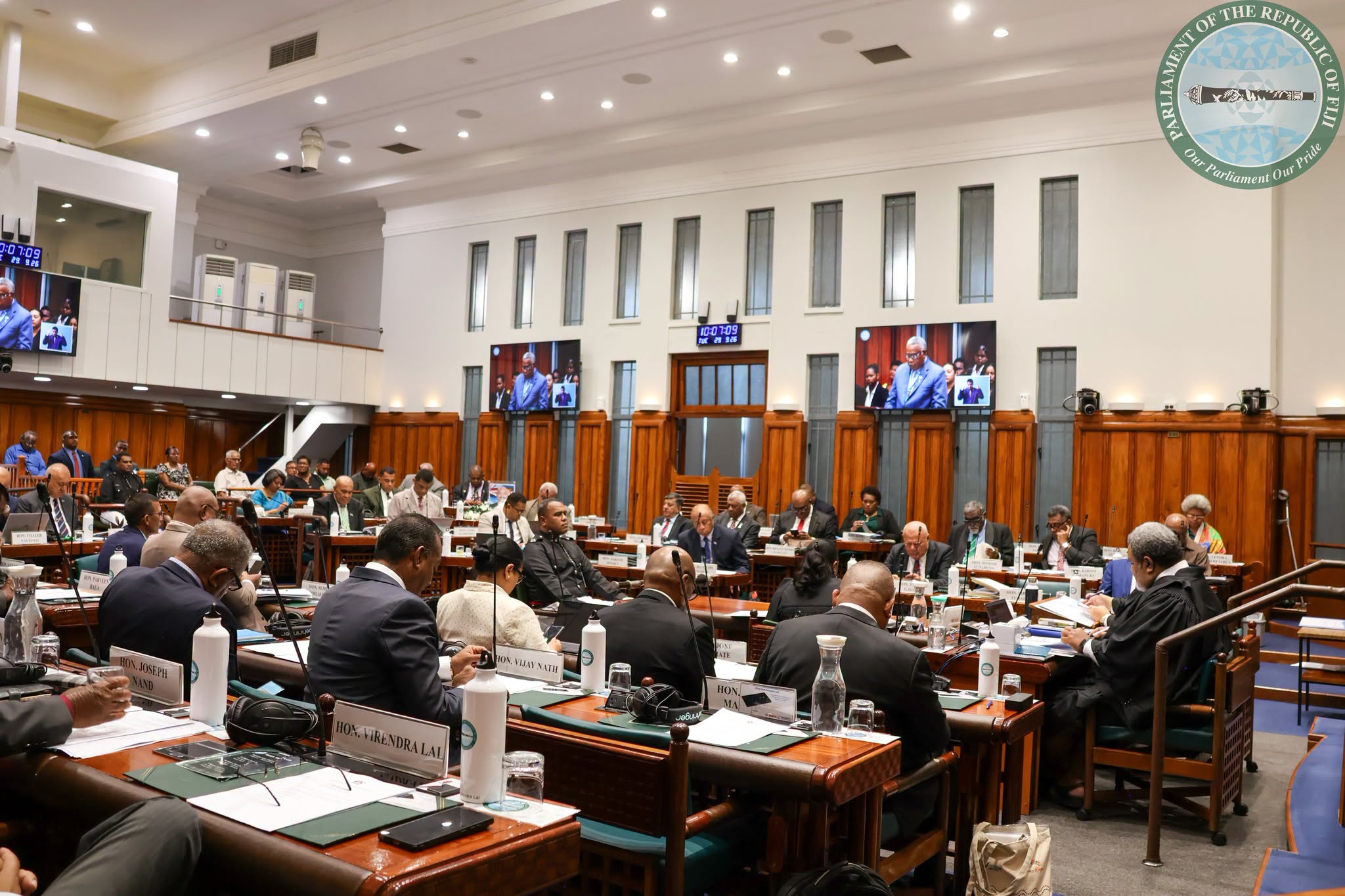
The Bill will be debated tomorrow.