FIJI’S worsening HIV situation and heavy burden of non-communicable diseases have reinforced the need to make health security a central part of the Fiji-Australia Vuvale Union and Ocean of Peace Alliance (Veitacini Treaty), says the Ministry of Health.
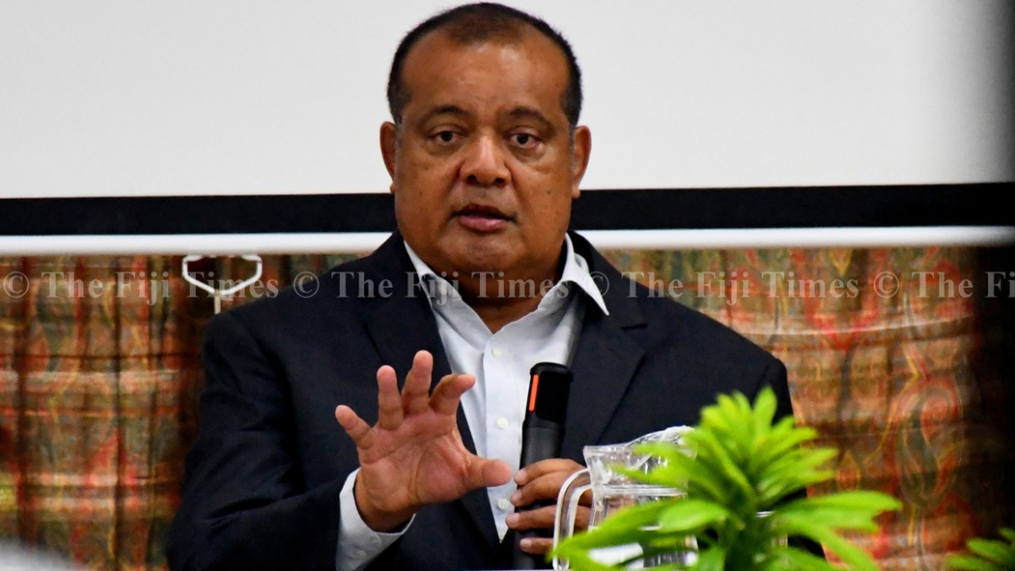
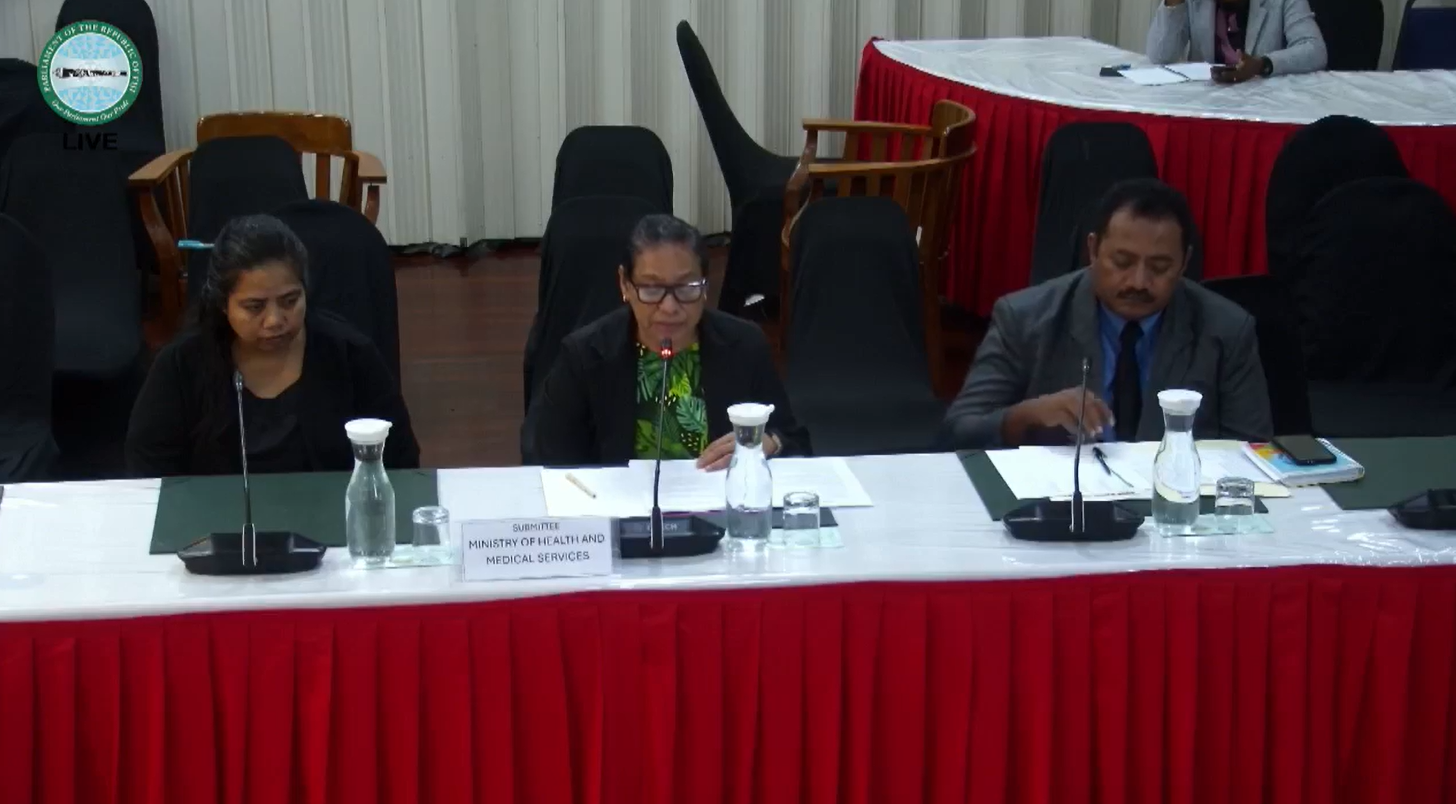
Ministry of Health and Medical Services acting permanent secretary Dr Luisa Cikamatana told the Parliamentary Standing Committee on Foreign Affairs and Defence last week that health system resilience was directly linked to national security and economic stability.
“A health system that cannot prevent disease, maintain essential services during disasters or reach people in all divisions is not only a service delivery concern, but it affects national resilience and economic security,” she said.
Dr Cikamatana said Article 3 of the Vuvale Union, which placed inclusive development and human dignity at the centre of lasting peace, was the main foundation for the ministry’s involvement.
She said Article 4 was also relevant because it addressed climate security, transnational crime, critical infrastructure, cyberspace and integrated border protection.
The urgency was highlighted by Fiji’s HIV figures.
“Fiji’s official 2025 HIV report recorded 2016 new diagnoses, the highest annual number reported and a 27 per cent increase from 2024.”
She said the report also recorded 117 HIV-related deaths, while 41.9 per cent of newly diagnosed people were not enrolled in care at the time reflected in the report.
Dr Cikamatana said NCDs remained another major threat, accounting for about 80 per cent of deaths.
“Our response therefore cannot be built around one disease or one building. It must strengthen the whole system.”
The ministry’s proposed work plan included intensified HIV prevention, testing, stigma reduction, community engagement, mobile health education, research and data strengthening, and expanding the health promotion workforce.