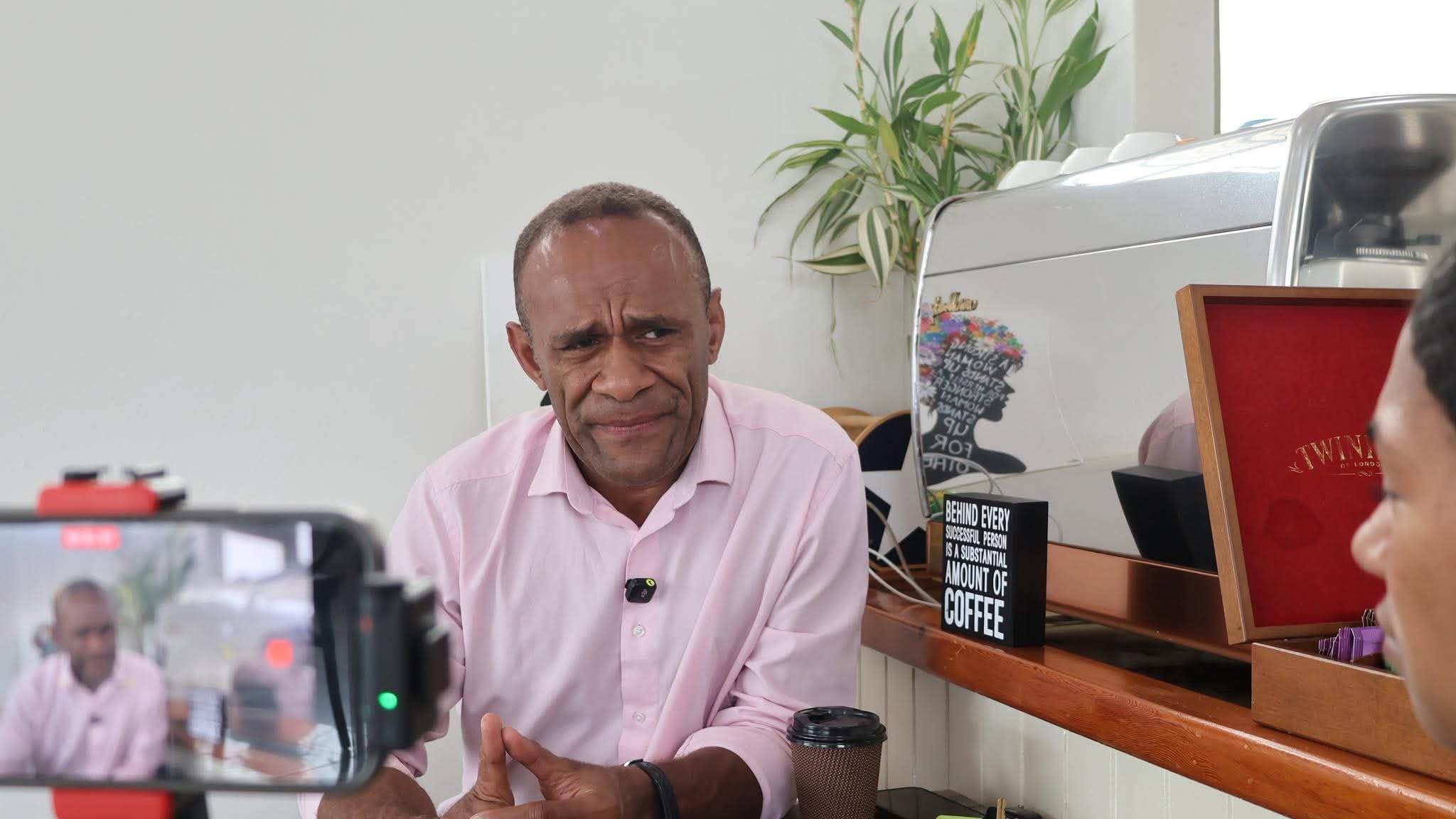
CANCER does not always begin with pain, and waiting for symptoms to become painful could cost patients the chance of early treatment, warns Colonial War Memorial Hospital general surgeon Dr Ilaitia Delasau.
He said late presentation remained a major challenge in Fiji, with many people delaying medical attention until they experienced pain, bleeding or serious complications.
He said people often attributed early symptoms to changes in the weather, old injuries or other minor health problems, while others turned to traditional healing, massage and herbal remedies before seeking medical care.
“As Fijians in general, we tend to self-diagnose; sometimes we tend to think it’s something related to the cold or the weather or old injuries,” he said.
He said this was particularly concerning among iTaukei communities, where cultural beliefs and fear of hospitals, surgery and a cancer diagnosis could prevent people from seeking help early.
“What’s important to understand is that, in most cancers, pain is not one of those early signs. Pain is a late sign.”
He said breast cancer, for example, could present as a painless breast lump, nipple discharge or other changes, while changes in bowel habits and bleeding could indicate bowel cancer.
Other warning signs, including persistent vomiting, feeling unusually full or changes in eating habits, also required medical assessment.
“By the time you get the blockage or the obstruction or the pain, the cancers have spread.”
Dr Delasau said fear and beliefs that cancer was a curse or punishment could further discourage patients from accessing treatment.
He urged people not to allow these concerns to delay medical care, emphasising that surgery could offer a cure for some cancers, particularly when they were diagnosed early.
He said cancers detected at stages one and two were generally more localised and could be treated with curative intent, while advanced cancers at stages three and four could require more complex treatment, depending on the cancer type and extent of spread.
With this year’s cancer awareness message, “Awareness is action”, Dr Delasau also highlighted the tendency for women to put their own health needs behind those of their families.
“As a female, as a mother, your health is always secondary to the kids and the fathers.”
He encouraged women to become familiar with their breasts and seek medical attention if they noticed a new lump, nipple changes, unusual discharge or changes in breast size or shape.
Women can access the breast clinic at CWM Hospital on Tuesdays. Breast services are also available through clinics in Labasa and the Fiji Cancer Society, where women can seek guidance and referral for further assessment, including imaging and biopsy when required.
Dr Delasau stressed that a cancer diagnosis should not automatically be viewed as a death sentence.
“I want the public to understand that cancer is not a death sentence. It is a condition. And as a surgeon, we advocate early diagnosis, early treatment. It’s curative, and you can continue your normal life. But we need you to come early.”
He urged Fijians to take changes in their bodies seriously and seek medical advice promptly rather than waiting for pain or severe complications before going to hospital.