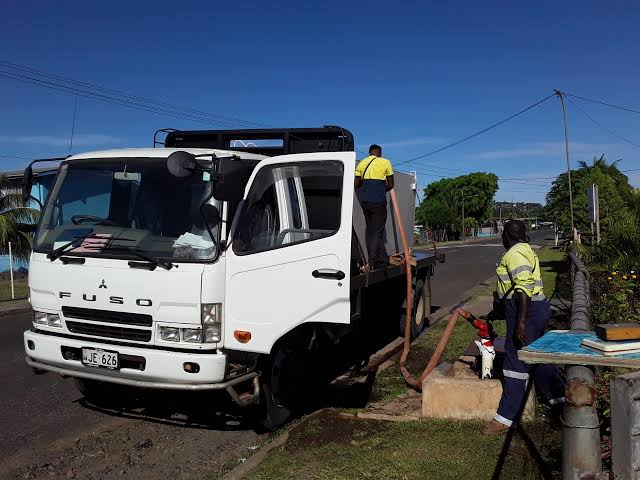
About 24,600 people across Fiji are affected by intermittent water supply or are relying on water carting as the country faces worsening dry conditions linked to a potentially very strong El Niño.
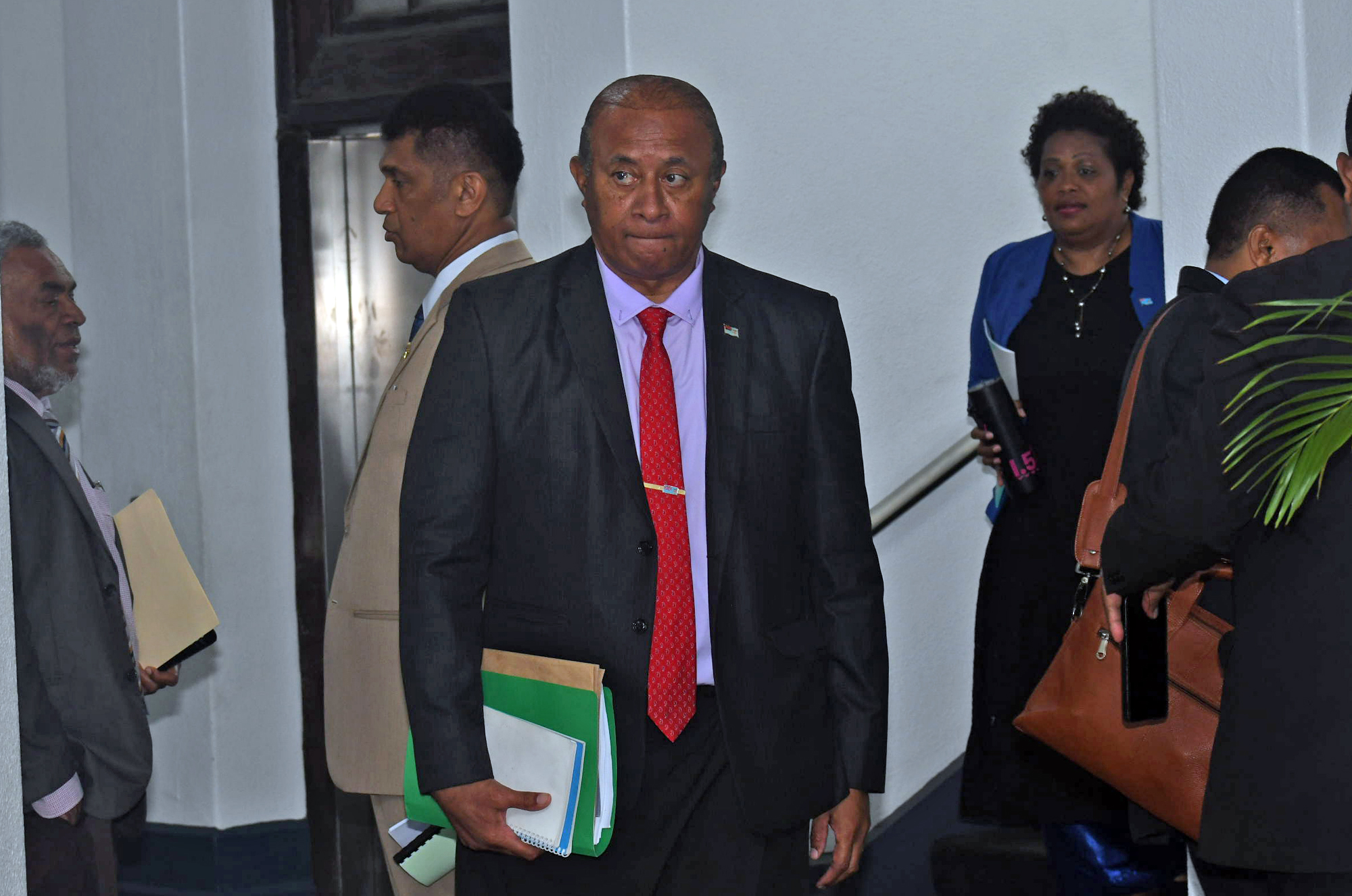
Minister for Infrastructure Ro Filipe Tuisawau told Parliament this morning that 19 of the Water Authority of Fiji’s 44 operational water sources were classified as critical as of November 1.
Presenting a ministerial statement on the El Niño outlook and the national situation, Mr Tuisawau said the Fiji Meteorological Service had forecast a very high chance of very dry conditions between October and December this year, with El Niño likely to remain very strong into early 2027.
He said the impact of the dry spell was already being felt in several parts of the country.
In the Western Division, only 10.5 millimetres of rain was recorded in September, while October rainfall ranged between zero and six millimetres.
In the Northern Division, rainfall between July and September was about 36 per cent of the average.
Mr Tuisawau said the situation facing the country’s water sources had deteriorated significantly over seven weeks.
Of the 44 operational water sources monitored by WAF, 18 (40.91 per cent) were at normal levels, seven (15.91 per cent) were approaching critical levels, while 19 (43.18 per cent) were critical.
He said on September 15, only seven sources were classified as critical.
That number increased to 18 by October 29 before rising to 19 on November 1.
Over the same seven-week period, the number of water sources at normal levels dropped from 31 to 18.
Mr Tuisawau said about 24,600 people were currently affected by water supply disruptions.
This included 18,798 people in the Western Region, 3510 in the Northern Region and 2276 in the Central Eastern Region.
“The great majority of the Water Authority’s customers continue to receive supply,” he said.
“But the margin is thin, and it is narrowing every week the rain stays away.”
He said WAF monitored 16 water sources in the Northern Region, 13 in the Western Region and 15 in the Central Eastern Region.