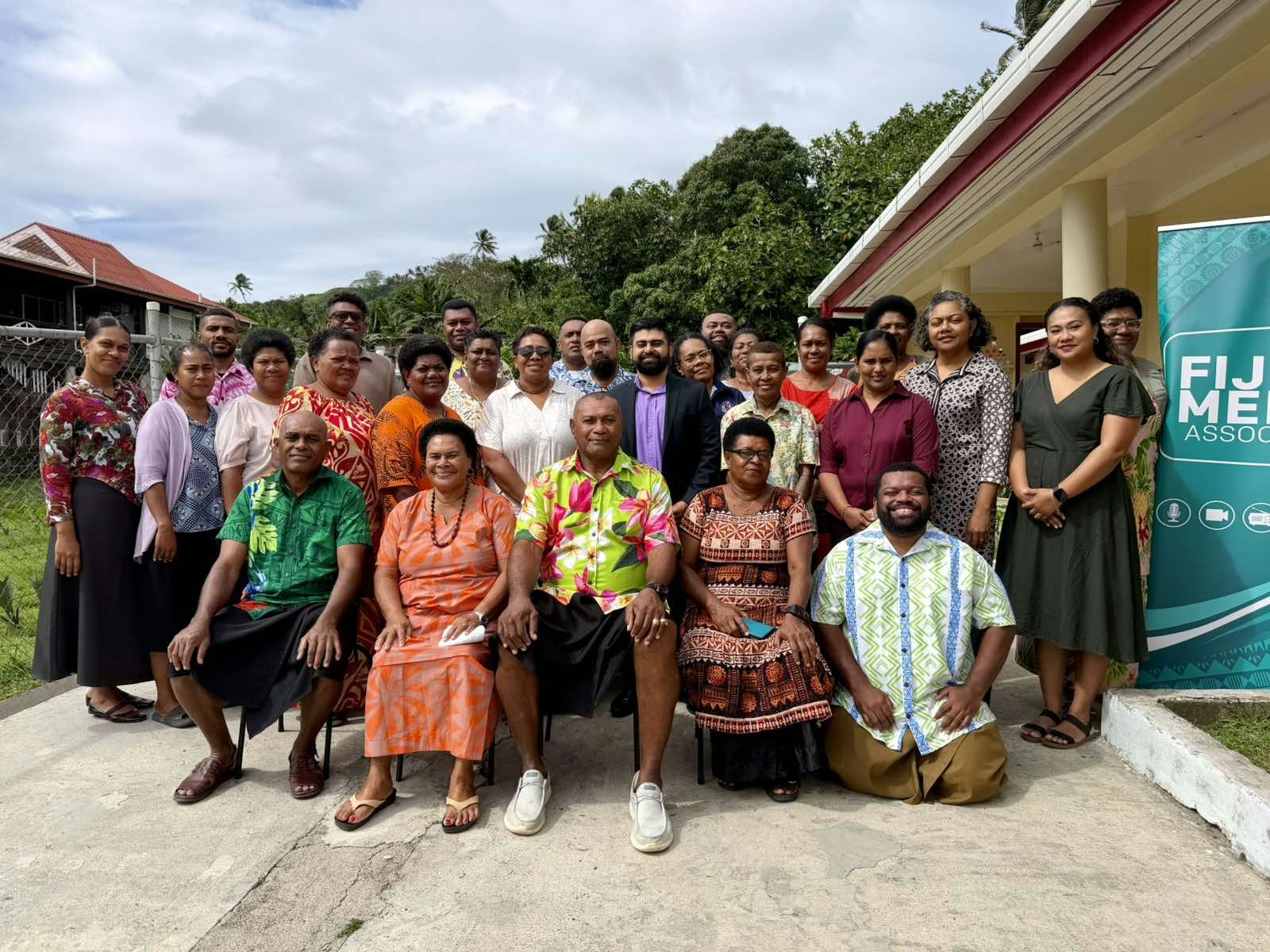
More than 30 women leaders, journalists and male allies gathered in Savusavu last week with a shared purpose — to learn how to examine public services, question the evidence and give communities a stronger voice in demanding accountability.
The two-day National Training of Women Auditors on the Kacivaka Tool brought together grassroots women leaders and media representatives as part of the Women’s Accountability Media Lab Project.
Co-facilitated by Women in Media Fiji and the Fiji Council of Social Services (FCOSS), the training was funded through the Australia-Fiji Governance Partnership Community Engagement Fund and held as an official side event of the 8th Pacific Islands News Association Summit.
The aim is to equip participants with practical skills to assess government transparency, data integrity, service delivery and community engagement.
At the centre of the training was the Kacivaka Diagnostic Framework, originally developed in 2021 and recently simplified into an online dashboard. The tool allows community auditors and media professionals to collect and assess information more efficiently.
Participants will use the framework to assess selected government departments across Fiji’s four divisions. The findings are expected to provide a baseline for community discussions about public services and government accountability.
Opening the training, Balance of Power executive director Mereani Rokotuibau said creating spaces where women could lead, speak for themselves and exercise their full potential was critical.
“Women auditors must have the courage to ask difficult questions, hold people accountable, and demand change from themselves before demanding it from others,” she said.
Her message set the tone for two days focused on self-reflection, evidence gathering and the role of women in public accountability.
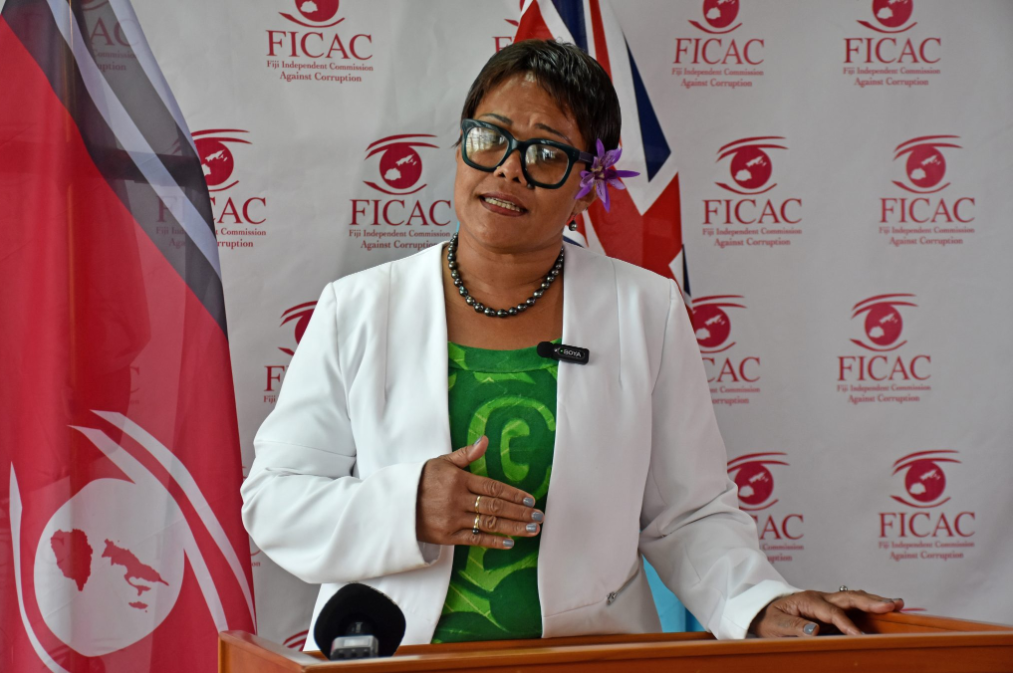
FCOSS executive director Vani Catanasiga said the training built on the PEARL Phase 2 Training held in May, which focused on strengthening women’s leadership and media engagement for inclusive elections.
She said the latest initiative reflected growing collaboration between grassroots women advocates and the media in promoting open government, democratic accountability and community-led solutions.
For journalists, she stressed that numbers alone were not enough.
“Tell the stories behind the data,” she said.
“The data should help journalists understand the experiences of people and communities, particularly where access to services remains a concern.”
Island Business journalist Viliame Tawanakoro, one of the male allies participating in the training, said statistics should always be connected to the people and experiences they represented.
“Every data represents something,” he said.
“It is more than just a percentage. Every data represents either a person or something that actually occurs in the community.”
Fijian Media Association president Rosi Doviverata also urged communities to become an important source of information for newsrooms.
“People on the ground, this is very much important and we need people to reach out to us and send us evidence whether it’s through pictures, videos or contacts,” she said.
“We need you more than you need us, and if you can assist us in any way you can and wherever you are.”
The workshop also piloted a 90-day Male Allyship Participation Protocol, involving journalists from Fiji Sun, FBC and Island Business, along with representatives of the Fiji Media Association.
The protocol is intended to move male allyship beyond discussion and towards measurable action in newsrooms and communities.
For Litia Masei of the Lautoka District Council of Social Services, greater equality requires men to actively support women.
“If we have more men who could support women, there’ll be a balance of power everywhere,” she said.
For the organisers, the Savusavu workshop was about changing how communities participate in accountability.
Women who have traditionally been sources of information are now being equipped to collect evidence, assess services and work with journalists to tell the stories behind the data.
The Kacivaka Tool provides the framework. The women provide the community perspective. And the media provides a platform for those findings to reach a wider audience.
The work that began in Savusavu last week is now expected to continue through community audits, media engagement and discussions around the quality and accessibility of public services across Fiji.