Wastage of antiretroviral therapy medication to treat HIV has been reduced through the Ministry of Health and Medical Services collaborative agreement with the United Nations Development Programme (UNDP).
The agreement was recently endorsed by the Cabinet and allows the ministry to procure the medication with ease.
Antiretroviral medication helps control the HIV infection in an individual’s bloodstream.
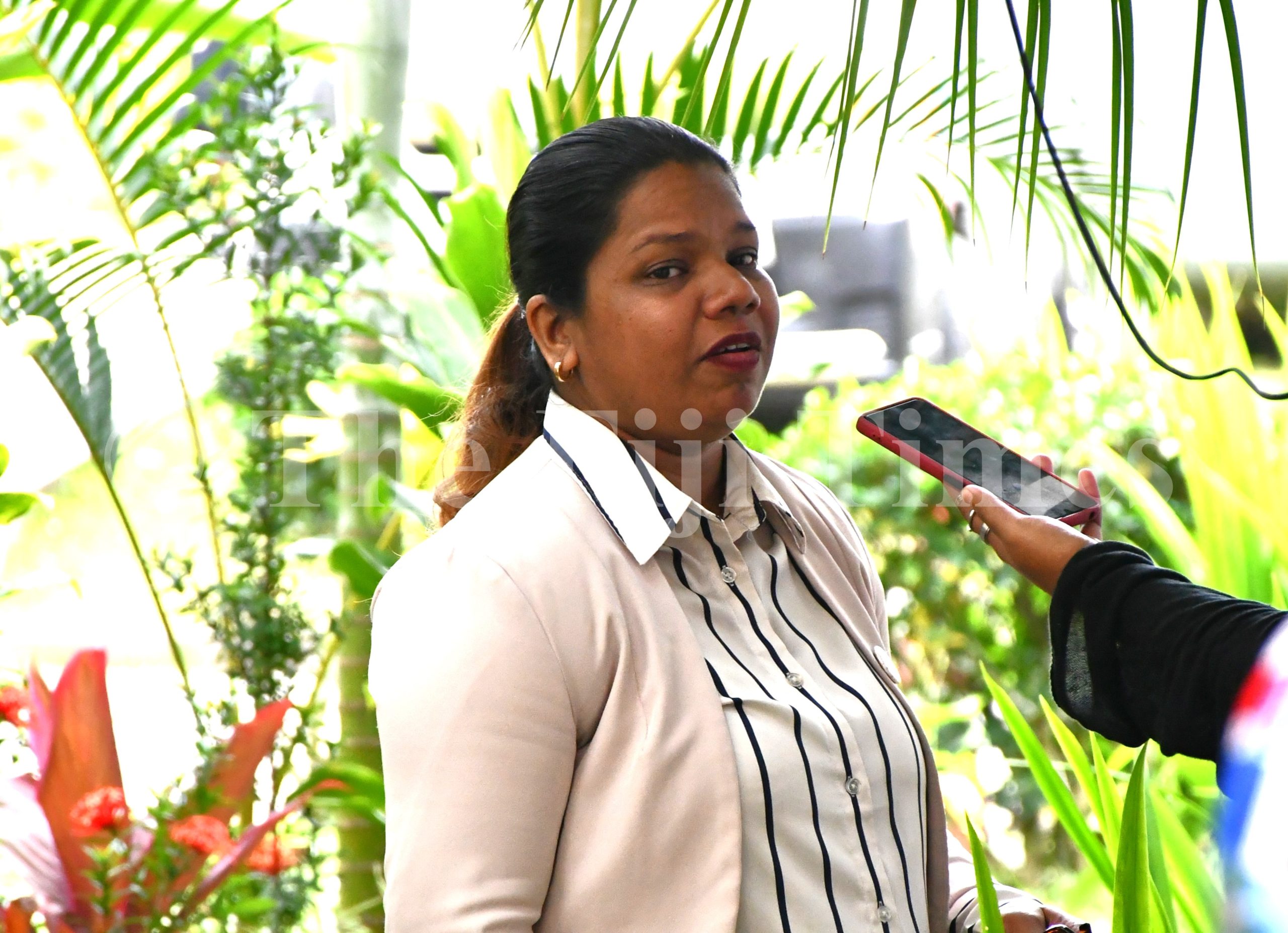
Head of Family Health Doctor Rachel Devi said the agreement strengthened the ministry’s purchasing power.
“If you’ve got just 100 cases on HIV medications, there’s some pharmaceuticals that would not produce 100 just for one nation, so it becomes very difficult and expensive as well. So with this UNDP agreement, we basically work on the regional global level and we procure through their system because they procure for many so I think that is important and I think that collaboration agreement is very essential,” she said.
“I think wastage won’t be an issue because we’re forecasting and we’re gradually building up on that but definitely with this staggered approach of procurement, it definitely reduces wastage as well, in that way we can say OK hold on for a little bit and when I need this particular medication then they just ship it over to us.”
She said antiretroviral therapy could be redistributed among the Pacific Island countries, if Fiji does not utilise it.
“There’s quite a number of medications but the latest one that we’ve got was is Dolutegravir, that’s DTG and they’re very friendly to individuals. I must say that there was a time when an individual would use nine to ten medications, but now we’re almost at a place where just one medication, one tablet a day does the work,” she said.
“I think it’s very patient-friendly as well, which is important and the side effects we’re seeing with the HIV medications now is also very minimal, which is actually very helpful when our patients take medication.”