Bula Vinaka everyone,
The prolonged dry spell affecting parts of the country is a reminder of how important water is to our daily lives.
For farmers, water is more than something we need for drinking and household use. It keeps livestock and crops alive and supports family incomes.
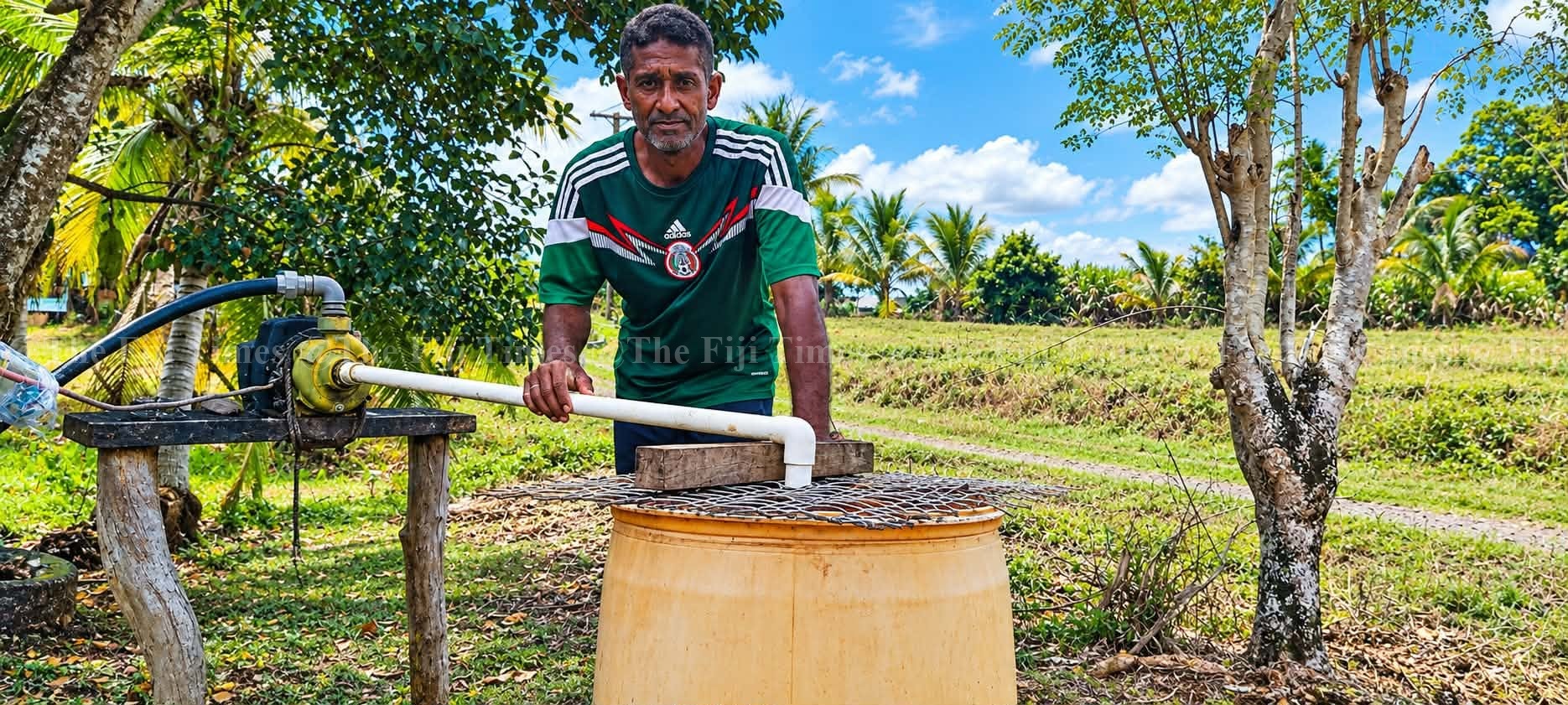
In Vunivacea, Labasa, farmer Kalin Hussein has seen the effects first-hand after some cattle died because there was not enough water.
During the dry season, cattle need more water, particularly when they are feeding on dry grass. When animals die, farmers lose income. When crops struggle, families have less food and fewer opportunities to earn money. As water becomes scarce, households are also forced to make difficult choices about how to use the limited supply available.
This is not a new problem. Hussein said his community has faced water shortages for many years and need a permanent solution rather than temporary assistance whenever the rain fails.
These conditions are also linked to the wider El Niño pattern affecting the Pacific. Climate experts have warned that El Niño can bring below-normal rainfall to countries including Fiji and other Pacific Island nations.
For ordinary people, the science behind El Niño can sometimes seem complicated but its effects are easy to understand. Less rain can mean less water in tanks, rivers and other sources. It means dry crops, stressed livestock and greater pressure on household incomes.
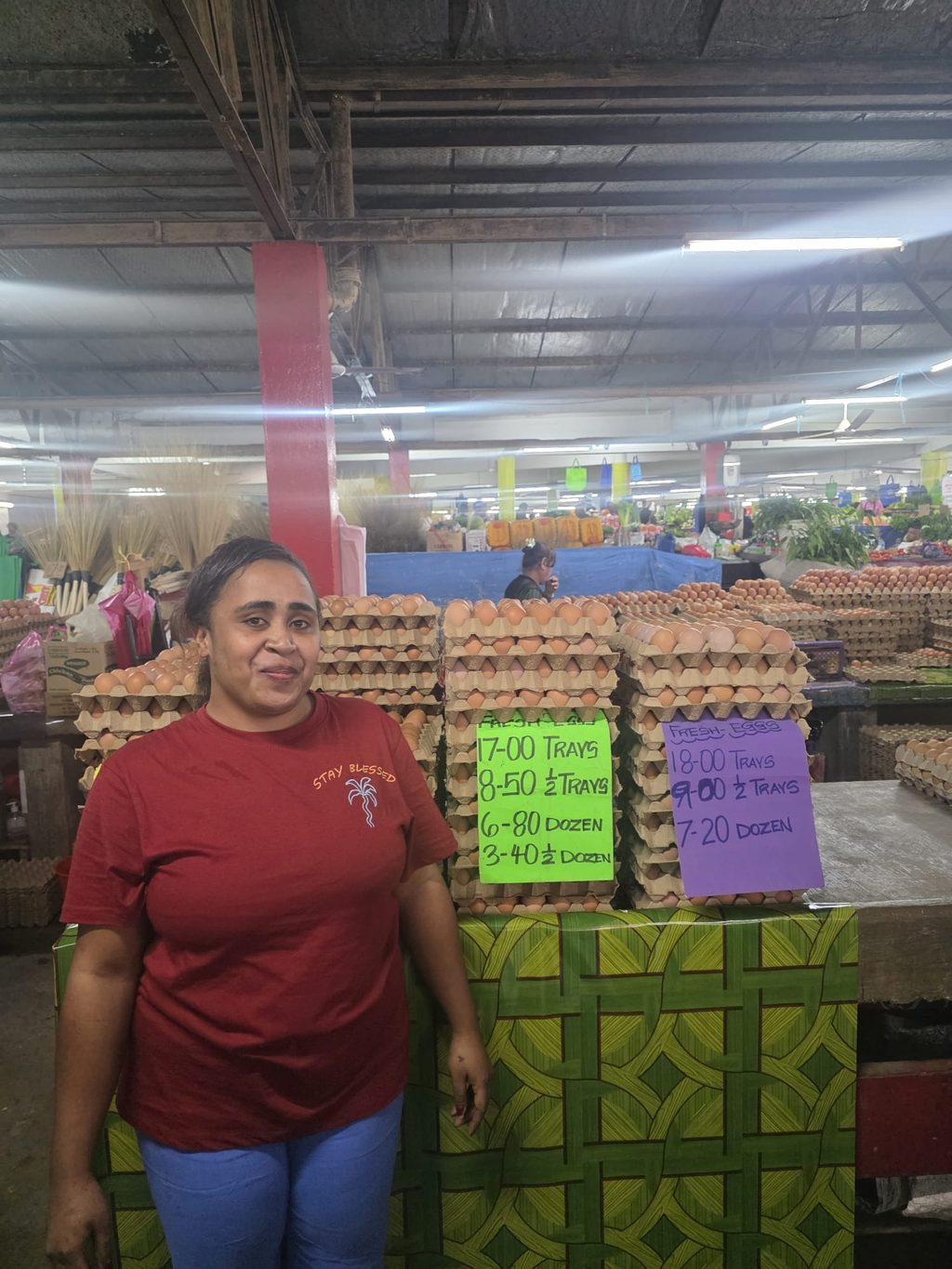
It contributes to higher food costs, affecting vegetables, meat and dairy products.
Across the Pacific, governments are preparing for possible pressure on water supplies, agriculture, fisheries and public health.
Pacific climatologist Philip Malsale warns that El Niño could influence tropical cyclone patterns, move tuna stocks towards warmer waters in the eastern Pacific, and increase the risk of coral bleaching and marine heatwaves.
For Fiji, these are important concerns. Our communities depend heavily on farming and the ocean. Many families rely on agriculture for their livelihoods, while fisheries provide food, jobs and economic opportunities.
Changes in tuna movements could have economic consequences for Pacific countries. Warmer ocean temperatures damage coral reefs, which support marine life and help protect coastal communities.
Farmers in other countries are facing similar concerns. In New Zealand, Westpac economist Michael Gordon warned that El Niño conditions could affect sheep and beef production. Drought can reduce pasture growth, increase costs and eventually put pressure on food prices.
This shows how climate conditions have wider economic effects. What happens to crops, livestock and water supplies can eventually affect food availability and the prices we pay for food.
But there is also a lesson in preparedness.
Farmers and communities cannot control when El Niño occurs, but governments can help people prepare for its effects. Relevant subsidies and practical support can help households and farmers manage periods of water stress.
Water tanks, improved irrigation, stronger water systems and better drought planning can make a significant difference.
Desalination equipment could also be considered as part of Fiji’s longer-term water-security planning.
During prolonged dry periods, when traditional water sources come under pressure, desalination could provide an additional source of water for communities, especially when we are surrounded by the ocean. I needs to be explored by our government.
It should not be seen as the only answer, but as one option alongside rainwater harvesting, water storage, conservation and improved distribution systems.
Most importantly, information to prepare must reach communities early.
Climate forecasts are useful only if we all understand what they mean and have enough time to prepare.
For communities already struggling with water shortages, a long-term solution is needed.
The experience of farmers like Hussein should be taken seriously.
A dead animal represents more than the loss of livestock.
It means lost income, lost food and greater financial pressure on families.
El Niño may be a natural climate pattern, but its impact depends greatly on how prepared we are.
For Fiji, water security must be treated as a priority.
We need to prepare before the tanks run dry, before crops fail and before livestock are lost.
The dry spell is a warning.
The question now is whether we will act early enough to reduce its impact on our communities.
Because if we do not, the consequences will eventually reach every household — through dry pipes, empty tanks, dry rivers/wells, lost farm income and, ultimately, higher prices in our markets and supermarkets.
And for families already living on tight incomes, that is a cost we cannot afford to ignore. Prepare now. Plant crops that can survive the dry conditions and start saving water.