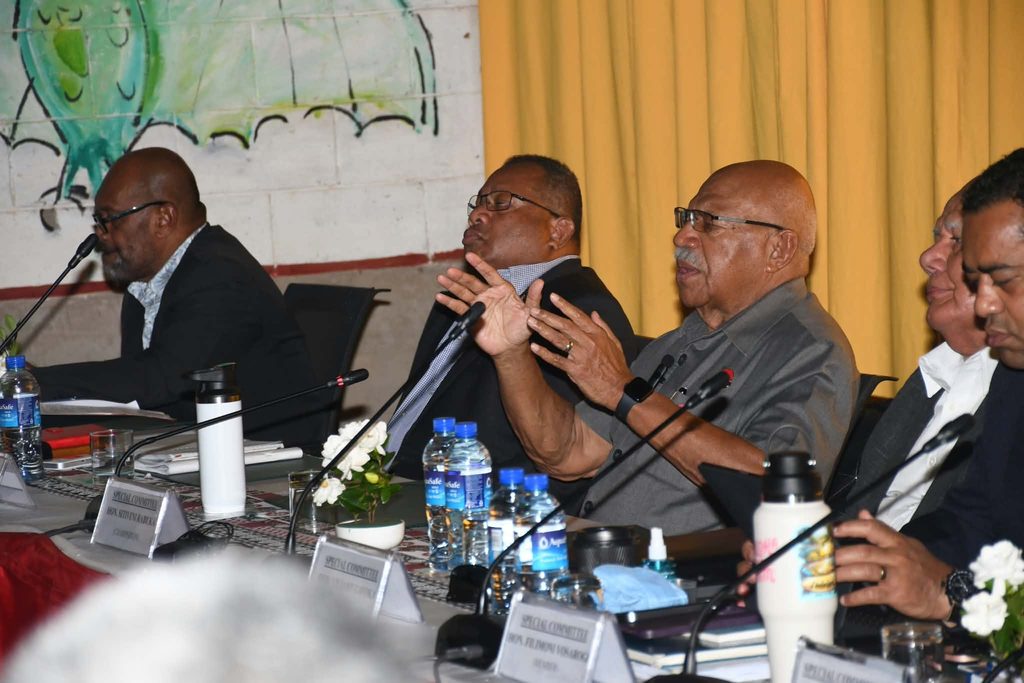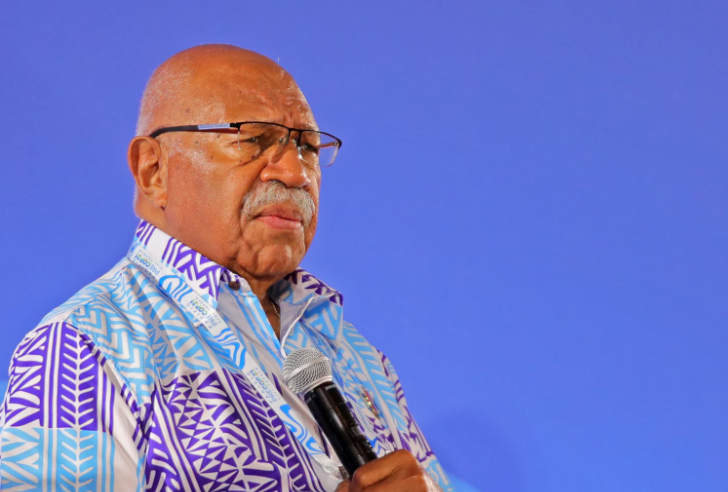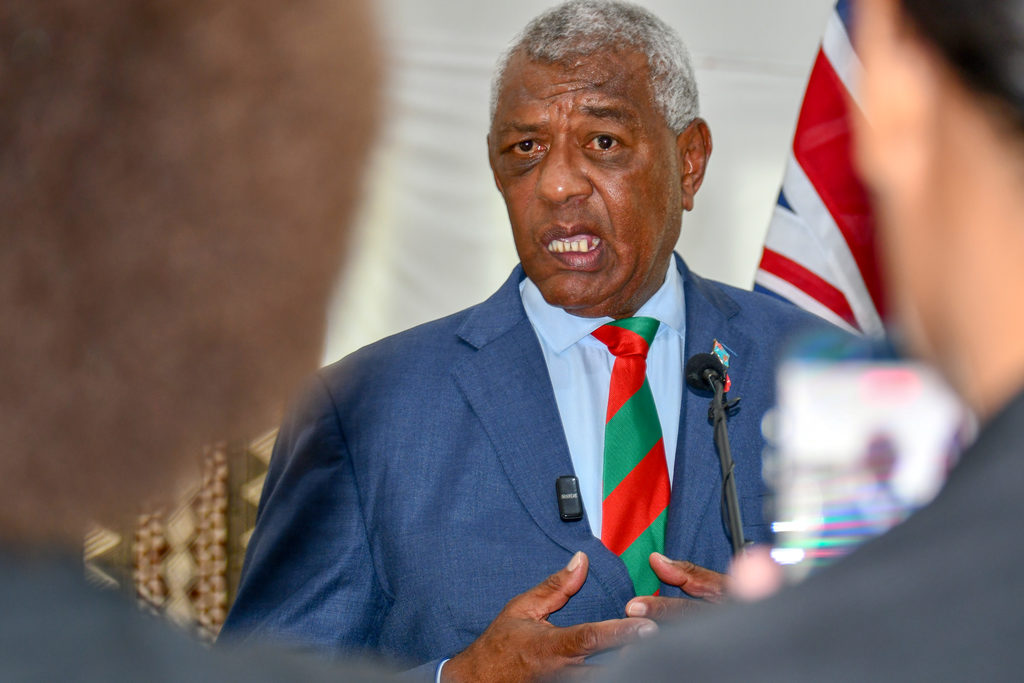
The revelation that Government could consider new legislation to address disturbing and explicit content circulating on social media is encouraging. Prime Minister Sitiveni Rabuka raised the possibility following concerns about children’s exposure to such material.
He indicated Government could act if the Online Safety Commission identified gaps in its legal powers that prevented it from responding effectively.
Now that is something worth considering in the greater scheme of things. Public concerns have been raised over explicit videos involving Fijians that originated on TikTok and spread across other social media platforms, exposing children to inappropriate content.
When asked whether Government intended to address the issue, Mr Rabuka directed complaints to the relevant authority, saying the Online Safety Commission and its commissioner were responsible for receiving such reports.
When informed that the Online Safety Commissioner had indicated the commission lacked sufficient authority to deal with the problem, Mr Rabuka acknowledged the limitation. He said Government could consider taking action, enforcing appropriate measures or introducing legislation if the commission brought the matter forward.
In the face of this, we again raise the issue of online bullying and wonder what in the world is happening to us! As we stated last week, complaints are increasing, with women accounting for nearly two-thirds of complainants. That is a sad reflection of how we treat women, for starters.
Fiji’s Online Safety Commissioner has warned that banning social media would not eliminate harmful behaviour without stronger accountability and a change in attitudes at home and throughout the community.
We agree. That makes sense. Change has to come from within. It must be something individuals recognise, work towards and embrace. The real question, though, is how we address these concerns and deal with them effectively.
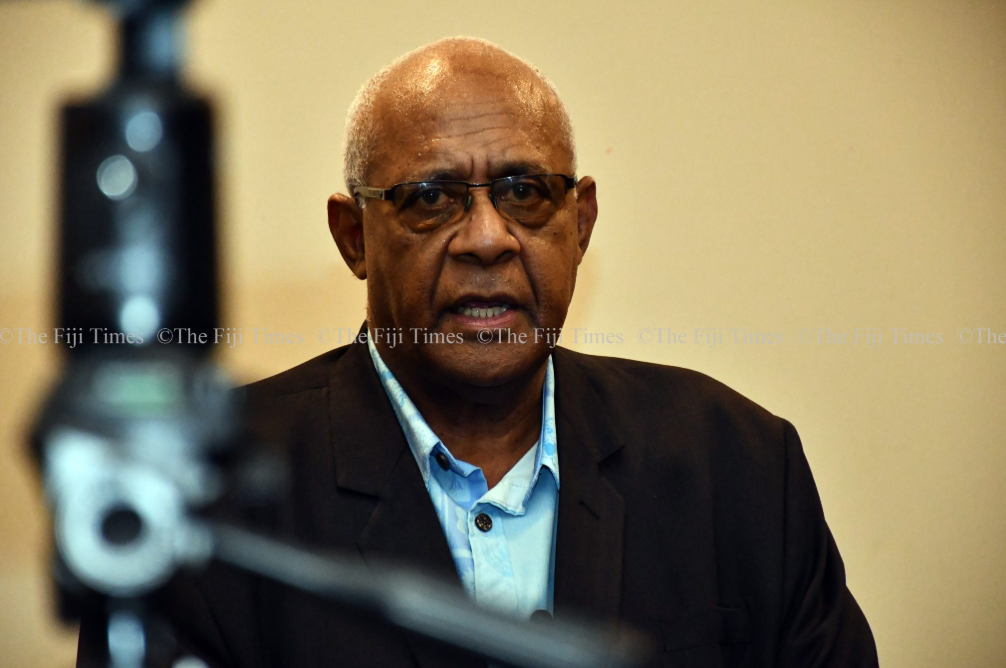
Online Safety Commissioner Filipe Batiwale believes harmful behaviour would continue even if particular platforms were restricted, as offenders could simply migrate to other digital spaces. That makes the challenge complex. Digital platforms are powerful because they are accessible and allow people to connect and communicate with remarkable ease.
Mr Batiwale has acknowledged growing public frustration over harmful material repeatedly circulating online, including content that has caused considerable concern.
It is frustrating when abusive material continues to spread and efforts to address it appear insufficient. Mr Batiwale said suspected criminal conduct was referred to the Fiji Police Force, including its Cyber Crime Unit. Twenty-six matters were recorded under the unit’s referral status between January and August this year, while separate operational records were being reconciled to avoid double-counting.
Again, we say addressing online abuse requires enforcement, education and greater responsibility from technology companies. People must learn to use digital platforms safely, while service providers must be held accountable. Given the easy access to social media in Fiji, awareness must start at home. Parents and guardians need guidance to understand online connectivity, privacy and the consequences of abusive behaviour.
Then there is the important issue of respecting people’s right to use these platforms while protecting their dignity and privacy. But let’s not talk endlessly about the problem. Let’s act. Let’s pull out all stops before our efforts are dismissed as toothless. We must make respect the norm, on screen and off it. Our children deserve protection. We say our laws must ensure those who abuse the freedoms of the digital world are held accountable!