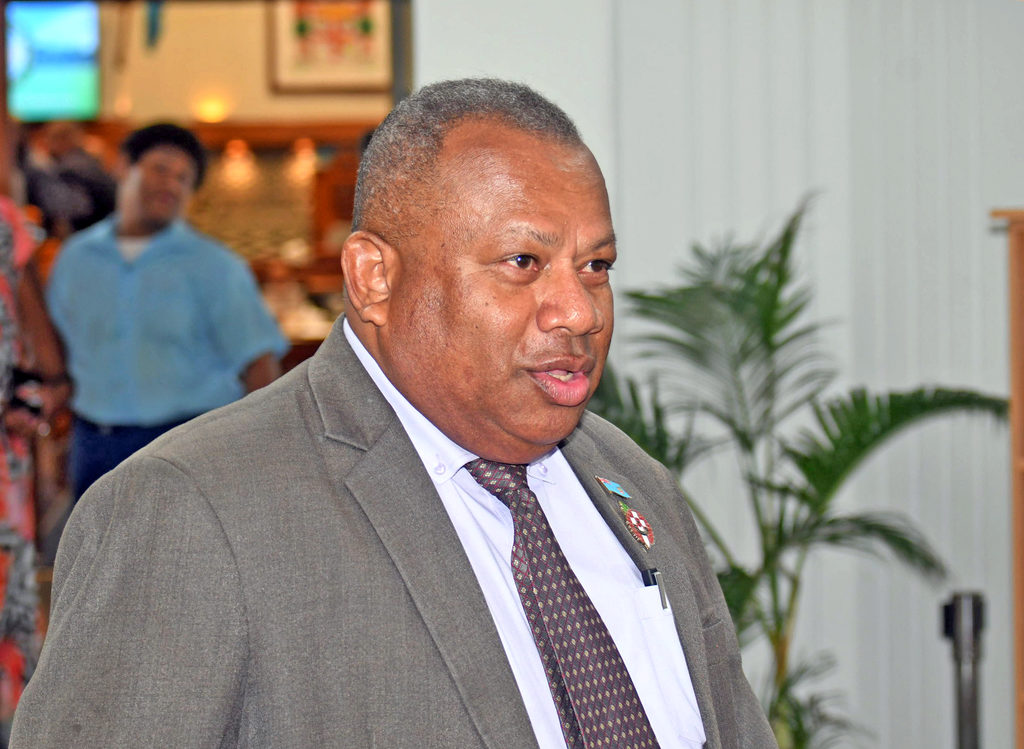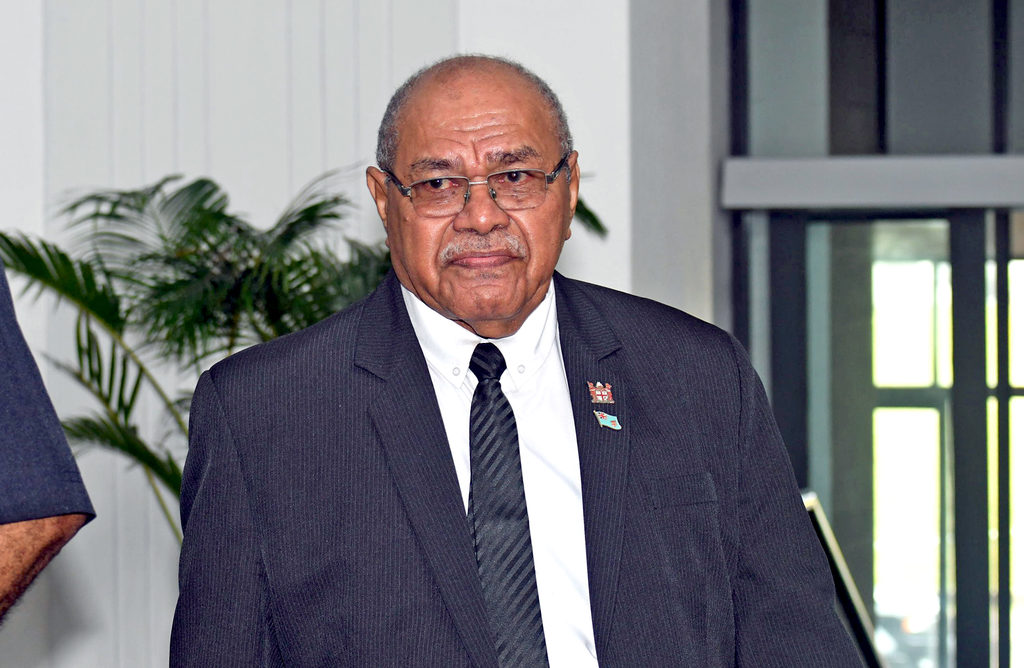
AMBIGUITIES in Fiji’s statutory framework and constitutional clauses leave critical gaps regarding who is legally authorised to advise the President on establishing a commission of inquiry, says former Tonga Chief Justice and Fiji High Court judge Michael Scott.
Speaking at the Fiji Law Society Convention, Mr Scott scrutinised the Commission of Inquiry Act alongside Section 82 of the Constitution.
While the law allows the President to appoint a commission when deemed advisable for public welfare, Mr Scott said it failed to specify the exact legal authority required to offer that foundational advice.
“Now there’s nothing in the Act, and there’s nothing in the Constitution which empowers or authorises anyone to give advice to the President on the question of setting up an inquiry, nothing at all, and there’s nothing in the Act saying that the President requires to seek advice before he sets up an inquiry,”he said.
“All it says is that he has to be satisfied that the matter would be in the public, in his opinion, for the public welfare. Now, the Act does say that the President deems it advisable.
“Now that sort of opens the door to advice being given or received, but there’s no source for that advice.
“It doesn’t say anything like other statutes do, acting on advice given to him by the Prime Minister; no, it doesn’t say that, but if he deems it advisable, then he goes on to the next question and asks whether it would be in his opinion in the public welfare.”
Mr Scott said that if the President has to do what he’s told by the Prime Minister, it doesn’t matter what his opinion is.
“He might think it’s a very bad idea, but if the Prime Minister says you have to do it, and the Constitution says that you have to take my advice, then he might as well keep his idea or his opinion to himself.”
Mr Scott argued that this lack of drafting clarity created confusion over executive discretion.