WHILE Fiji’s tourism sector accounts for a significant share of the nation’s gross domestic product, the industry faces growing threats from climate change, according to a World Bank Group report.
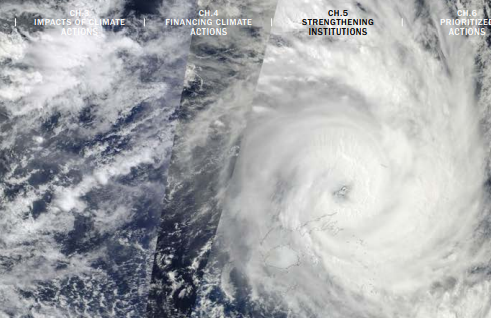
The Country Climate and Development Report (CCDR) on Fiji identifies coastal erosion, degrading coral reefs, rising temperatures and increasingly severe tropical storms as threats to the natural landscapes that attract international visitors.
“Much of Fiji’s tourism is reliant on nature including its beaches and coral reefs, waterfalls and mountainous regions,” the report says.
“The sector is highly geographically concentrated with the Western Division accounting roughly three quarters of total tourism activity and tourism related employment despite accounting for a little more than one third of total national employment.
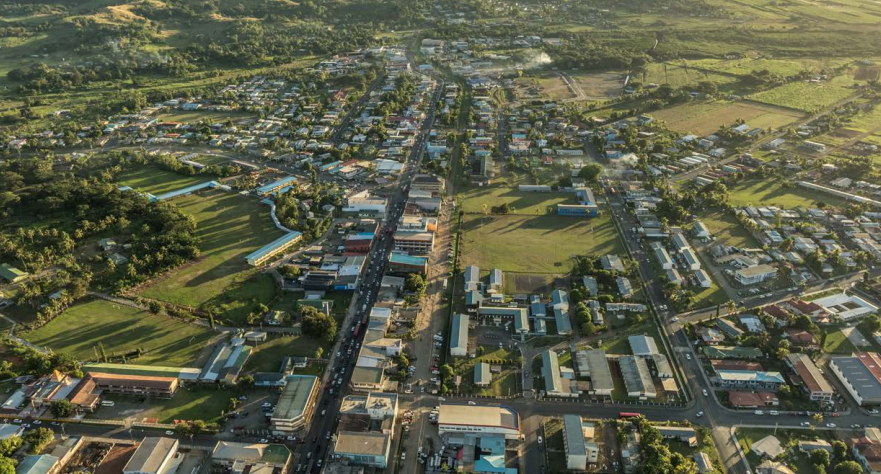
“Nadi, the largest tourism hotspot sits on a vulnerable floodplain. Nearby Denarau Island, home to some of the country’s largest resorts, is vulnerable to coastal inundation. These two locations alone represent 37 per cent of the total room stock.”
The report recommends that resorts invest in nature-based coastal defences, such as restoring mangrove forests and coral reefs, which help dissipate wave energy while protecting marine biodiversity.
Hotels are also encouraged to adopt water-conservation technologies, renewable energy systems and waste-reduction measures to minimise their environmental footprint.