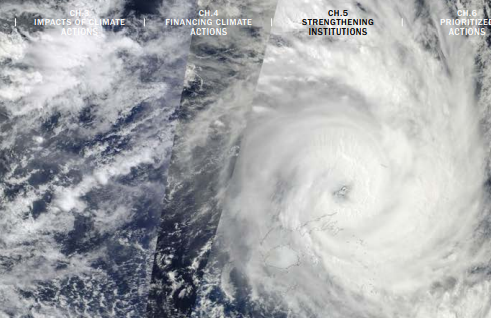
FIJI is forecast to face two to three tropical cyclones during the 2026-27 season, with one to two expected to reach severe Category 3 to 5 intensity, according to the Fiji Meteorological Service.
The seasonal outlook warns of an elevated risk of severe tropical cyclones, with the Northern and Eastern divisions particularly vulnerable as a strong El Niño event influences weather patterns across the region.
During previous strong El Niño seasons, most cyclones have approached Fiji from the north and east, the service said.
The official cyclone season runs from November 1 to April 30, with January and February usually the peak months for cyclone activity.
The Meteorological Service said the strong El Niño event was expected to peak around November and December this year.
Across the Regional Specialised Meteorological Centre – Nadi’s area of responsibility, 11 to 15 named tropical cyclones are forecast, with five to six likely to affect areas west of the International Date Line.
Eight to 10 cyclones are forecast east of the dateline, representing an above-average risk.
The service warned that weather systems that do not develop into cyclones could still bring widespread rainfall and flooding.
“Tropical disturbances or depressions that do not intensify into cyclones or low-pressure systems that are a result of decaying cyclones, can still cause widespread rainfall and potential flooding,” the outlook stated.
Although the official season begins next month, the service cautioned that out-of-season cyclone activity could not be ruled out, as cyclones have occasionally formed in October and May.
Communities were urged to remain alert, prepare throughout the season and take all official cyclone alerts, warnings and advisories seriously to reduce risks to lives and property.
The detailed seasonal outlook is available on the Fiji Meteorological Service website at www.met.gov.fj.