FIJI’s agricultural sector and rural livelihoods face growing threats from climate change, according to a World Bank Group report.
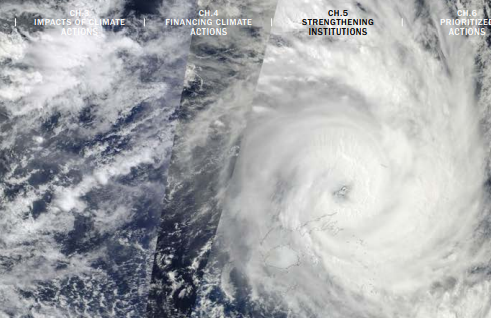
The World Bank’s Country Climate and Development Report (CCDR) on Fiji identifies changing seasonal rainfall patterns, prolonged dry spells, intense tropical storms and rising soil salinity as major challenges for crop production, food security and rural farming communities.
The report says unpredictable weather is disrupting planting and harvesting cycles, making traditional farming calendars increasingly unreliable.
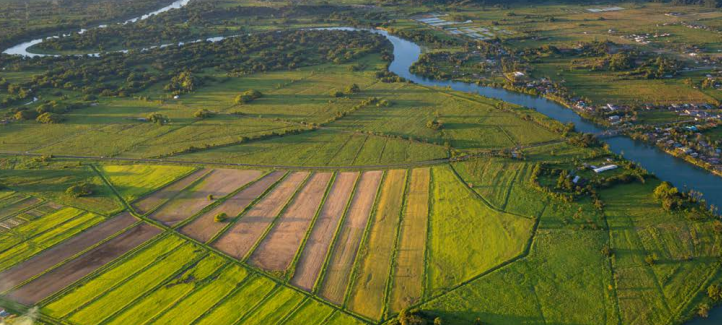
To protect the nation’s food supply, the report highlights the need to adopt climate-smart agriculture. This approach combines sustainable farming practices to improve productivity and strengthen resilience to extreme weather.
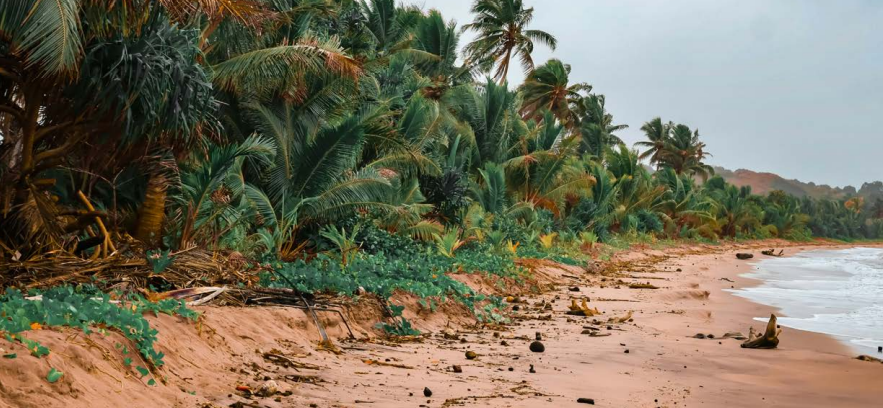
“Key interventions include introducing drought-resistant and salt-tolerant crop varieties, implementing advanced drip-irrigation systems to optimise water use during dry spells, and utilising improved soil management practices to prevent erosion.
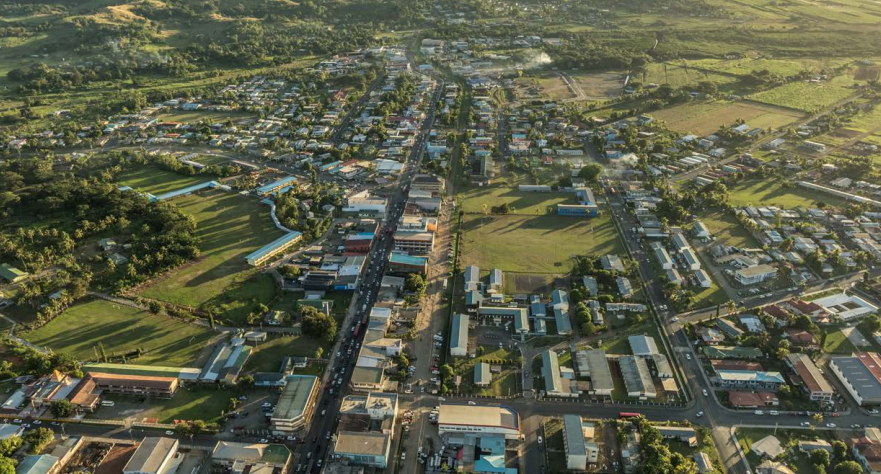
“Beyond crop production, supporting rural resilience requires strengthening food supply chains and logistics. Improving rural road networks ensures that farmers can transport perishable goods to urban markets before weather events cut off remote areas.
“Additionally, expanding access to micro-insurance and climate information services empowers smallholder farmers to make informed decisions and recover quickly when disasters strike.”
The report says supporting Fiji’s farming communities is essential not only for economic stability but also for cultural preservation, as village life is closely connected to the land.