FIJI’S 2025 literacy and numeracy results remain unknown, with the Ministry of Education yet to release the national report, even as new Pacific-wide findings highlight significant weaknesses in primary school reading.
The issue emerged following the launch of the Pacific Islands Literacy and Numeracy Assessment (PILNA) 2025 Regional Report by the Pacific Community (SPC) yesterday, in line with International Literacy Day.
SPC deputy director Seci Waqabaca said Fiji’s country results could not be disclosed until they were officially released at national level.
“For the Fiji report, it will be available after this regional launch,” he said.
“Then we will be sharing the Fiji report to the Fiji system. So, I won’t be able to tell you the report right now.”
The regional assessment covered 15 countries and more than 41,000 learners in each assessed domain.
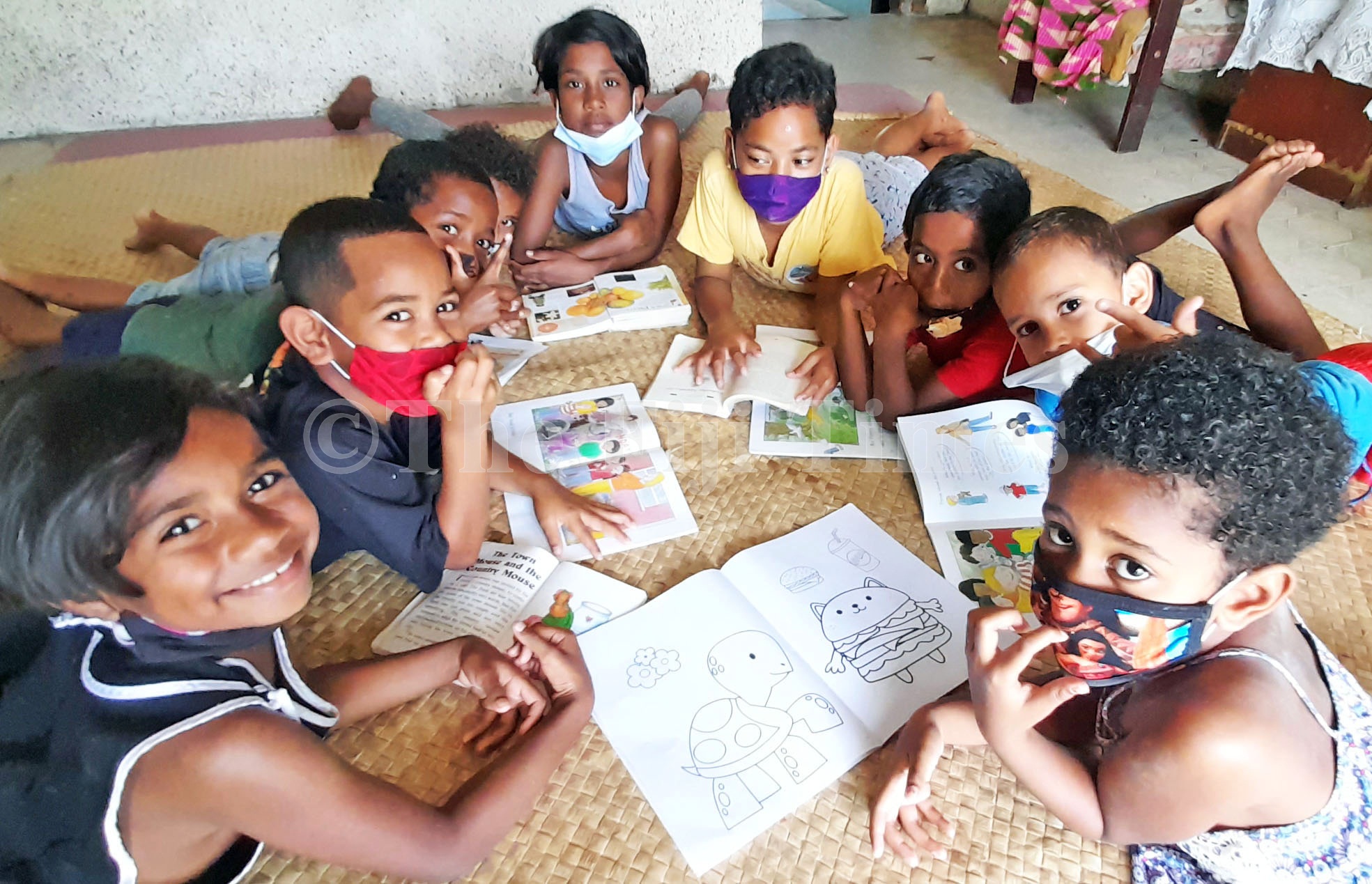
It found reading remained one of the region’s biggest education challenges, with 46 per cent of Year 6 students performing at or below the Year 4 reading benchmark.
“Reading performance is much weaker, especially in Year 4, which is a persistent foundation challenge,” the report noted. “For Year 4, around 44 per cent of learners met the minimum expected proficiency level in reading.”
Writing results also raised concern, with 48 per cent of Year 6 students at or below the Year 4 writing benchmark.
This is the first PILNA assessment to include writing proficiency using a new scale.
Numeracy performance was stronger, with about seven in 10 students meeting expected standards at both assessed year levels.However, Mr Waqabaca said regional numeracy remained below 2018 levels.
He said students struggled when required to apply knowledge beyond familiar tasks.
“Learners can often manage familiar and straightforward tasks. The challenge becomes greater when they are required to draw inferences, reason, apply knowledge in less familiar situations, think critically or work through multi-step problems.”
Mr Waqabaca said reading must remain the region’s top priority.
“The response should be comprehensive, not a single intervention.”
The report also found only around a quarter of students had their own textbooks.