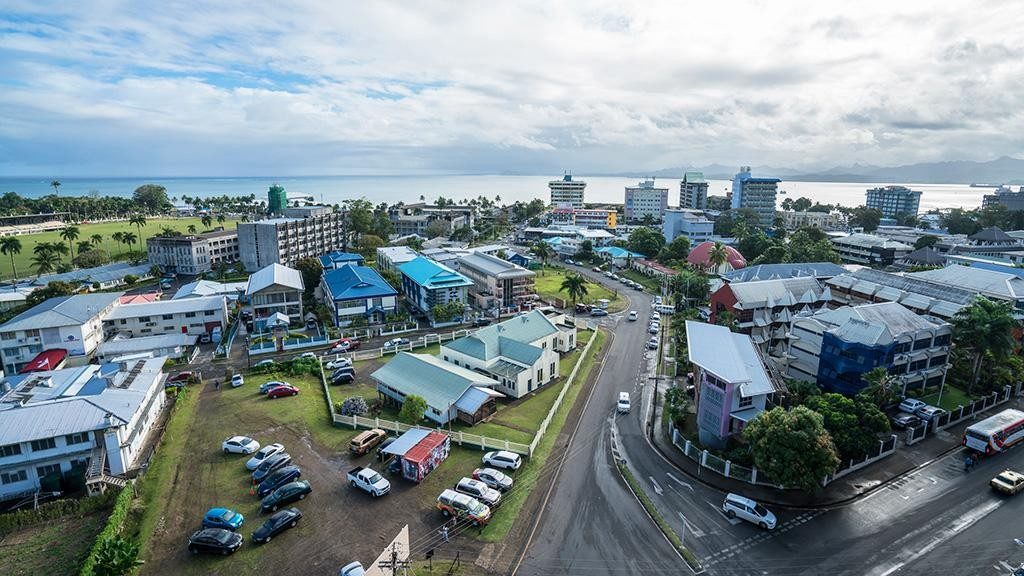
SUVA is emerging as the powerhouse of Fiji’s high-value residential property market, accounting for almost seven out of every 10 sales above $900,000 recorded across major urban centres over the past 17 months.
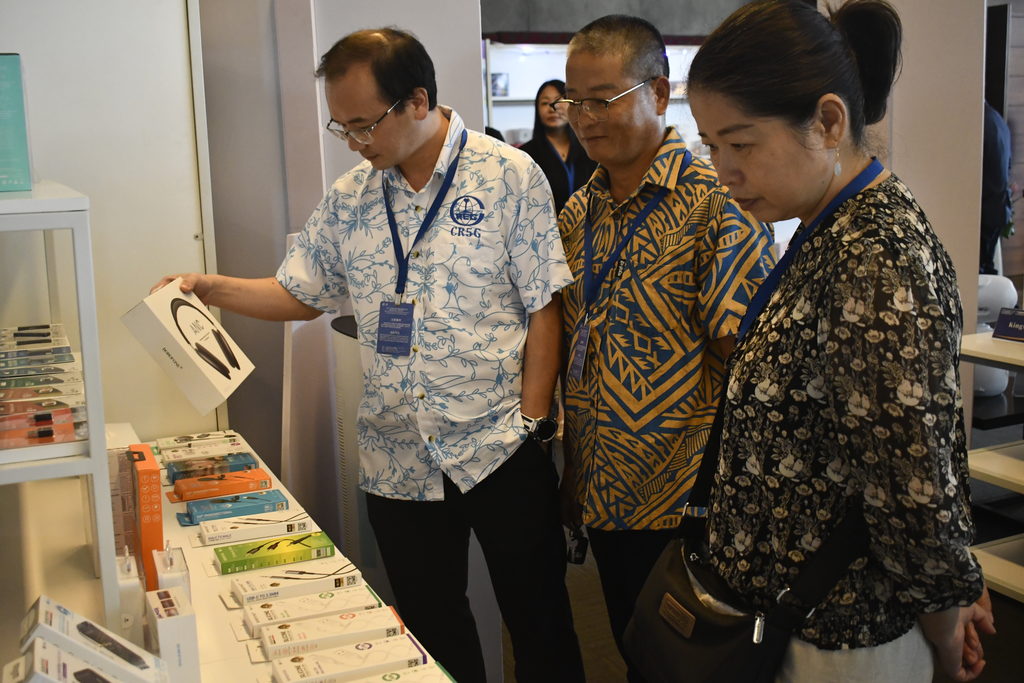
An analysis by South Pacific Property Consulting Services managing director Dr Abdul Hassan (pictured) found that 145 residential properties valued above $900,000 were sold between January 2025 and May 2026.
Of those, 100 sales were recorded in Suva alone, accounting for about 69 per cent of all transactions in the highest-value category.
He said the concentration of high-value sales pointed to the strength of Suva’s established residential market.
While he cautioned against interpreting the figures as evidence of a uniformly strong luxury market across Fiji, said it did reflect a strong concentration of high-value transactions within Suva and selected major urban centres.
Suva recorded 260 residential transactions during the period, the highest among the urban centres analysed and about 28.9 per cent of the total 900 sales.
Category 9 properties accounted for 100 of those transactions — approximately 38.5 per cent of Suva’s residential sales.
Dr Hassan attributed the strong performance partly to Suva’s economic and administrative importance.
The city has a concentration of government and private-sector employment, established infrastructure, educational institutions, commercial facilities and established residential suburbs. He said those factors provided “a broad purchaser base” and supported demand for higher-value homes.
The analysis also found strong activity at the lower end of the market, showing that Fiji’s property sector was increasingly divided between affordability-driven purchases and high-value transactions.
Nationally, properties priced between $200,000 and $300,000 recorded the highest number of sales at 156, while homes below $100,000 accounted for 146 transactions, it reported.
Dr Hassan said higher-value buyers were generally less constrained by financing pressures because of higher incomes, accumulated equity or access to investment capital.
The figures also highlighted stark differences between urban centres. Nasinu recorded 186 transactions, with properties below $100,000 leading with 39 sales, while Lautoka recorded 161 transactions, dominated by the $200,000-$300,000 category with 55 sales. He said location remained a major influence on Fiji’s residential property market.
“Properties located close to employment centres, schools, shopping facilities, transport networks and essential services generally have a larger potential purchaser pool,” Dr Hassan said.