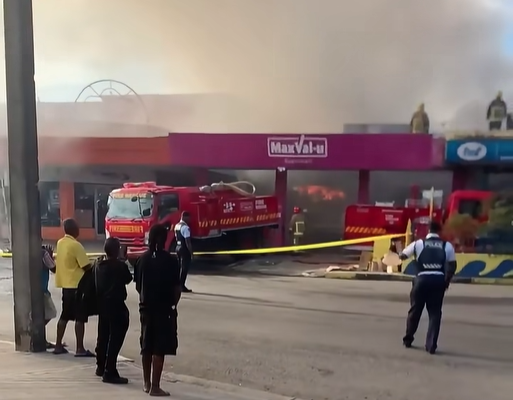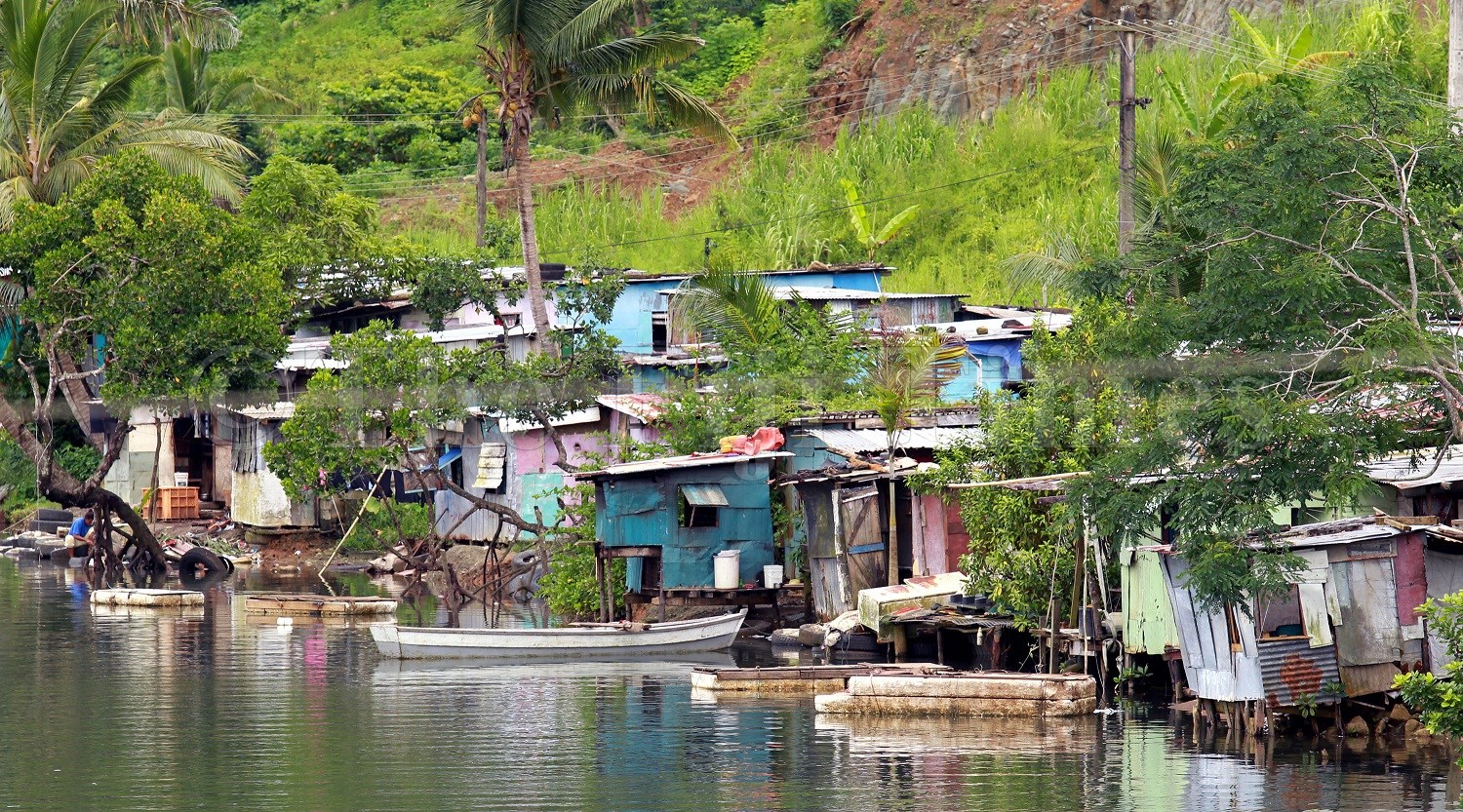
The everyday math of survival: A market vendor in Suva counts her earnings after a long day. A bus driver in Nadi fills his tank and watches the pump spin. A rural family in Cakaudrove decides which meals to skip. These are the everyday calculations of survival. A nationwide survey found that 49.2 per cent of respondents—nearly one in two Fijians—identified the cost of living as the single biggest problem facing the country. More than half (53.2 per cent) said rising food prices were the biggest challenge facing their household, and 49.8 per cent reported difficulty paying for food and basic items in the past 12 months. 24.1 per cent of Fijians live below the national poverty line, with rural and maritime communities at 36.2–36.5 per cent. Fiji’s cost-of-living crisis is not a temporary blip; it is the visible face of a structural dependence on imports that leaks billions out of the economy every year and leaves households exposed to global shocks.
The poverty picture: Who is poor, and where?
THE poverty data tells a geographic story. National poverty rate: 24.1 per cent (not 29.9 per cent, as some have claimed). Rural and maritime communities: 36.2–36.5 per cent below the line. Over 45,700 households affected; 57 per cent of the population cannot afford a healthy diet. Sixty-eight percent of households reported income increases, yet 89 per cent saw food prices rise.
The Consumer Council of Fiji found everyday grocery items have recorded price increases ranging from 15 per cent to more than 35 per cent.
Compare this with regional neighbours: many Pacific islands have similar or higher poverty rates, but Fiji’s import-driven inflation makes its cost pressures particularly acute. Poverty clusters in rural and maritime areas where jobs are scarce, services are thin, and import dependence is highest.
Inflation, fuel, and the price of everything
Inflation is the mechanism that transmits global shocks to households. The All-Items CPI for May 2026 stands at 116.3, up 1.6 per cent from April. Fuel price hikes in early 2026: petrol from $2.44 to $2.93/l, diesel from $2.14 to $2.89, kerosene from $1.69 to $2.40. Middle East tensions and global supply disruptions threaten further spikes.
The Consumer Council warns of “hidden” inflation: the erosion of promotional discounts that previously softened price rises. Fiji is a price-taking economy: it imports ~80 per cent of consumer goods and all its fuel, so global prices pass straight through to households.
Larger or more diversified economies can cushion shocks via local production or strategic reserves. Fiji cannot. Every fuel price rise ripples through transport, food, and services, hitting the poor hardest.
The import trap: $2.7 billion a year leaking out
This is the structural core. Fiji spent about F$1.6billion on refined petroleum imports in 2024. It spent around F$1.1b on food and agricultural imports in the same period. Together, that’s over F$2.7b a year leaving the country for basic survival needs. In 2023, Fiji imported $1.106b in crops and livestock while exporting only $343.4 million — a 3:1 imbalance. This is a national balance sheet problem, not just a household budget issue. Every dollar spent on imported fuel and food is a dollar that does not circulate locally, create jobs, or build resilience. The leak is structural, not accidental.
Households under pressure: debt, skipped meals, overcrowding
The human cost is visible. Families are taking on debt, cutting meals, and living in overcrowded homes to cope.
Market vendors and rural residents report that transport, fuel, and electricity costs are forcing them to rethink how they live and spend.
When one in four people are below the poverty line and another quarter are just above, even modest price rises tip many into hardship.
The Dialogue Fiji survey reveals widespread economic hardship, with 69.8 per cent of respondents rating their household challenges as severe or very severe. Compare this with regional neighbours where social safety nets or lower import dependence soften the blow.
In Fiji, the buffer is thin. A fuel spike, a food price rise, or a job loss can push a family from precarious stability into crisis.
Regional view: Fiji among Pacific economies
Fiji is not alone. Pacific ministers note that the region is highly exposed to global shocks due to dependence on imported fuel, food, and essentials.
By 2024, at least eight Pacific nations relied on oil for over half their electricity; some (Solomon Islands, Tonga, Nauru) are even more dependent than Fiji. Fiji, however, stands out for the scale of its food import bill relative to its population and agricultural potential.
It also redistributes fuel to smaller neighbours (Tonga, Tuvalu, Cook Islands), giving it a regional role but also extra exposure.
Fiji is not alone, but its size and ambition mean the stakes are higher.
Unlike smaller neighbours, Fiji has the policy space and institutional capacity to lead on import substitution—if it chooses to.
Global parallels: Small states that broke the import habit
Small island and import-dependent states have reduced vulnerability via local food production (e.g., Caribbean states investing in regional agriculture), renewable energy to cut fuel imports (e.g., Iceland, Costa Rica, some Pacific territories), and strategic reserves and targeted subsidies to cushion shocks without blowing out budgets.
Places that remained locked into high-import, low-production models suffered repeated crises when global prices spiked. Fiji has the land, labour, and policy space to move towards the first group. The question is whether it will prioritise production over consumption.
Policy and business: A roadmap to reduce the leak
Concrete steps exist. Accelerate the $26.5m short-term investment plan for local food production, linking farmers to tourism and domestic markets. Push for targeted relief (conditional cash transfers, transport subsidies for low-income workers) instead of broad fuel subsidies.
Encourage large employers to adopt cost-of-living allowances or transport support as part of retention strategies. Invest in renewable energy and agricultural value chains to cut the F$2.7b annual leakage.
Energy Fiji Ltd’s $2b renewable energy program—spanning 165 MW of solar, new hydropower, and grid modernisation—shows the scale of ambition required.
This is a national competitiveness strategy: every dollar kept in the local economy is a dollar that can create jobs and reduce poverty.
The political economy: Why reform is hard
Reform is politically difficult. Cheap imports benefit consumers in the short term, especially urban voters.
Local producers struggle to compete with subsidised foreign goods.
Fuel subsidies are popular but fiscally unsustainable. Politicians face a choice: short-term popularity or long-term resilience.
The 2026–27 budget offers tax certainty but little cost-of-living relief. Opposition and consumer advocates argue it lacks innovative solutions.
The finance minister has told Parliament that a new Household Income and Expenditure Survey will provide updated data on household challenges. Without a cross-party consensus on import substitution, renewable energy, and targeted relief, Fiji will remain vulnerable. The politics are hard, but the economics are clear.
Rewriting Fiji’s economic story
Return to the market vendor, the bus driver, the rural family. Their struggles are not inevitable; they are the result of policy choices and structural dependencies.
Fiji’s cost-of-living crisis and poverty are not natural disasters; they are the outcome of an economy built on imports rather than production.
Fiji can continue as a high-import, high-vulnerability economy, or it can use this moment to invest in local production, targeted support, and renewable energy.
The choice will determine whether “paradise” remains affordable for ordinary Fijians — or becomes a brand that only visitors and the wealthy can sustain.
The ships will keep docking. The question is whether Fiji will send fewer away.