PEOPLE convicted of electoral offences should remain publicly identified beyond the proposed four-year disqualification period, Transparency and Integrity Fiji (TIF) says.
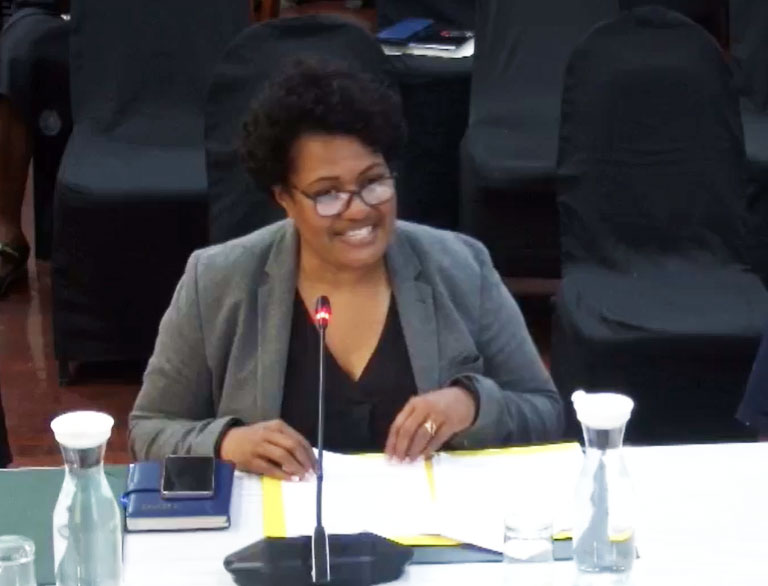
TIF’s program officer Tarusila Reniu made the submission to the Standing Committee saying the submission focused on corrupt electoral practices and the proposed disqualification list under Bill 30, Clause 8, which amends the Electoral Act 2012 by inserting Section 19(g).
She said the Bill would establish a four-year disqualification list managed by the Supervisor of Elections for individuals convicted of corrupt electoral practices or reportable category offences.
“While the mechanism was an accountability measure, the four-year limitation created enforcement risks,” Ms Reniu said.
“An individual convicted of undermining an election could be cleared to return to the voting rolls or participate in the political process by the next election cycle.”
Ms Reniu also said a temporary list would make it difficult for civil society organisations to track long-term patterns of electoral malpractice once the four-year period had passed.
TIF supports the proposed accountability measure but is recommending that the disqualification list be upgraded to a permanent online public archive managed by the Supervisor of Elections.
“This would allow civil society organisations, political parties and the public to access historical records when assessing candidates and identifying repeat offenders.”
She said the permanent archive would also support TIF’s “Know Your Candidates” citizen advocacy initiative.
Ms Reniu gave the example of a candidate or party official convicted of vote buying or electoral fraud during an election cycle.
She said under a temporary four-year ban, the individual’s record could be cleared by the time of the next general election, while a permanent public registry would allow voters and political parties to check the person’s historical compliance.