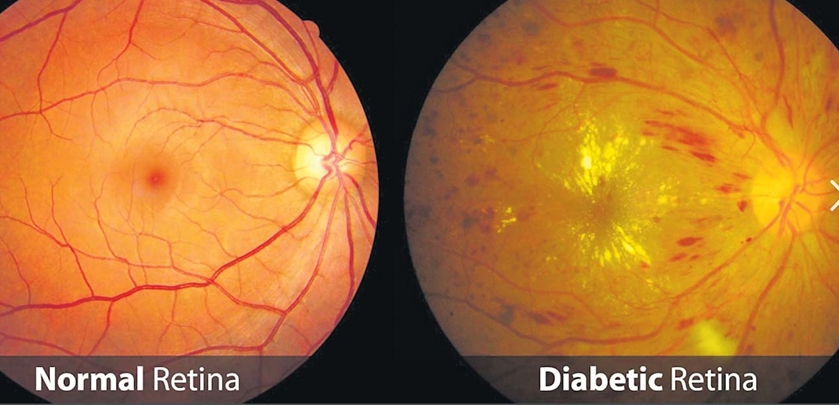
DIABETES is becoming an increasing health concern in Fiji, and one of its most serious complications is diabetic retinopathy — a condition that can permanently damage the eyes and lead to vision loss. The good news is that diabetic eye disease can often be prevented, detected early, and treated eff ectively if people take the right steps. Diabetic retinopathy occurs when prolonged high blood sugar damages the tiny blood vessels supplying the retina, the light-sensitive tissue at the back of the eye. In the early stages, a person may have no symptoms at all. This is why wait ing until vision becomes blurry is not a safe approach.
Keep blood sugar under control
The most important step in preventing diabetic retinopathy is maintaining good blood glucose control. Persistently high blood sugar damages retinal blood vessels and increases the risk of bleeding, swelling and abnormal blood-vessel growth inside the eye. People with diabetes should regularly monitor their blood glucose and follow the treatment plan recommended by their doctor. A healthy diet, regular physical activity, maintaining a healthy weight and taking prescribed medication consistently can significantly reduce the risk of diabetic complications.
Control blood pressure and cholesterol
Diabetes does not affect the eyes alone. High blood pressure and abnormal cholesterol levels can further damage the retinal blood vessels. People with diabetes should therefore have their blood pressure and cholesterol checked regularly. Controlling these conditions, together with blood sugar, provides better protection against diabetic eye disease.
Have regular eye examinations
One of the most important messages for every person with diabetes is: do not wait for symptoms before having your eyes examined. Diabetic retinopathy can develop without pain or noticeable changes in vision. A comprehensive eye examination can identify retinal changes before significant vision is lost. Depending on the individual’s condition, an eye-care professional may examine the retina using specialised instruments and may recommend retinal photography, optical coherence tomography (OCT), or other tests. The frequency of examinations depends on the type of diabetes, duration of diabetes, blood sugar control and whether retinal disease is already present.
Do not ignore changes in vision
People with diabetes should seek an eye examination promptly if they experience sudden or gradual changes in vision, new floaters, flashes of light, dark spots, distorted vision or a sudden loss of sight. These symptoms can indicate bleeding, retinal swelling or other complications that require urgent assessment.
Healthy lifestyle matters
Protecting your eyes starts with protecting your overall health. Regular physical activity, eating a balanced diet with plenty of vegetables and fibre, avoiding smoking and limiting unhealthy foods can help improve diabetes control and reduce the risk of complications. It is also important to take diabetes medication as prescribed and attend regular medical appointments.
Early detection can save sight
The encouraging message is that diabetic retinopathy does not have to mean blindness. Modern treatments, including injections into the eye, laser treatment and surgery when necessary, can help preserve or improve vision in many patients. However, treatment is much more effective when the condition is detected early. For Fiji, improving awareness of diabetic eye disease is especially important. People living with diabetes should make regular eye examinations part of their diabetes care, just as they monitor their blood sugar, blood pressure and other aspects of their health. Your eyes may feel perfectly normal while diabetes is silently damaging them. Do not wait until you lose vision. Control your diabetes, check your eyes regularly and seek professional advice early. Protecting your sight begins before symptoms appear.