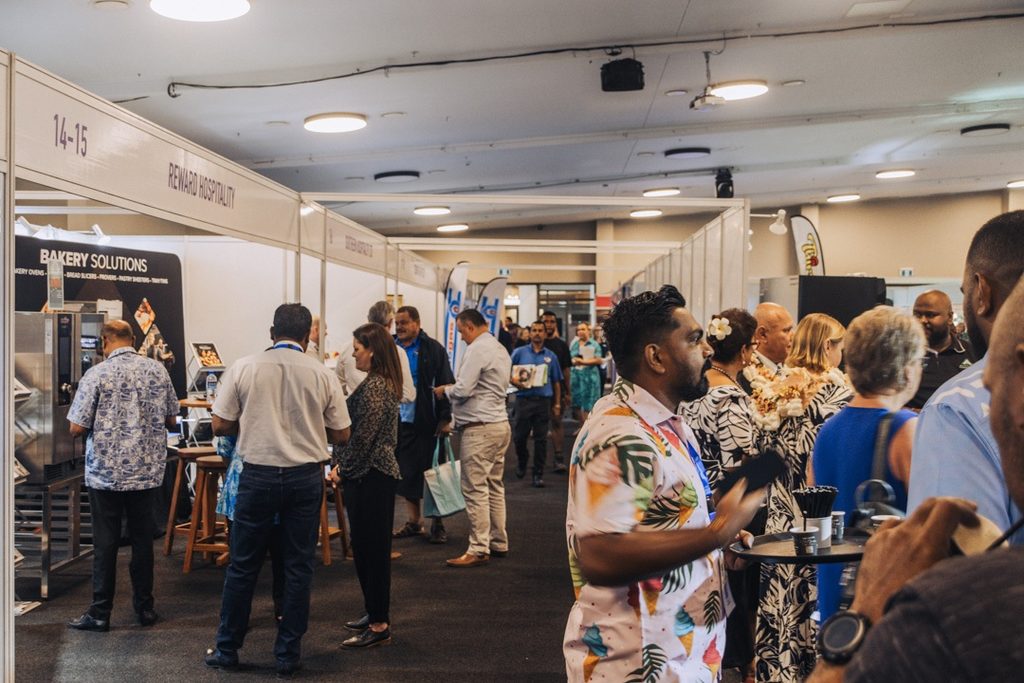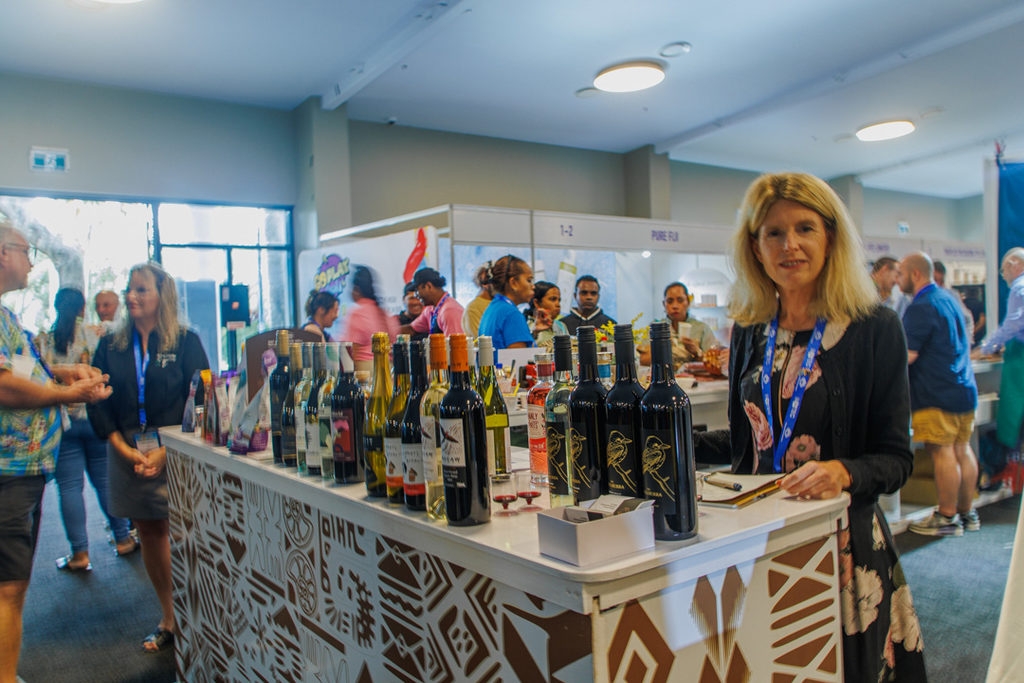
The final day of HOTEC 2026 opens at 8am today at the Crowne Plaza Convention Centre in Nadi, and the tradeshow stays open until 4pm. HOTEC is held every two years, so the next one is in 2028.
Anyone who wants to meet a supplier, test a product or put a question to the industry in person has until this afternoon to do it.
That timeframe should shape how the day is used.
A hotel manager who has put off a purchasing decision, an operator comparing suppliers, or a business owner looking for a new partner will not find this many options in one building again for two years.
The tradeshow floor is open for appointments and for browsing, and the first hours of the morning are the most practical time to speak to exhibitors before the sessions and competitions draw the crowds.
Outside on the front lawn, two of Thursday’s competitions continue into a second day.
The Fiji Chefs Association runs the cooking finals at Station 3 from 9am to 4pm, and the cocktail finals continue at Station 2 over the same hours, sponsored by Vision Commercial.
Both are finals, so visitors will see the closing rounds and the results of two days of judging. For an industry that trains and hires cooks and bartenders every year, it is a useful look at the standard being set.
The South Pacific Coffee Company’s free coffee station in the CPCC Foyer runs from 9am to 3.30pm, slightly shorter than yesterday, so anyone planning to stop by should allow for the earlier finish.
The information sessions on the final day move from regulation to the businesses and communities that tourism depends on. Session 3 runs from 10.30am to 12pm in the Baravi 2 Ballroom and is titled People, Place and Local Value: Stronger workforces, supply chains and community partnerships. Fiji’s tourism sector relies on its workforce, on the local producers and suppliers who stock its kitchens and rooms, and on the communities that host visitors.
The session looks at how those relationships can be strengthened so that more of what tourism earns stays in the places that support it. It is sponsored by New Caledonia Trade and Invest (NCT&I).
Session 4 follows from 1.30pm to 3pm, also in Baravi 2, and its title states the argument directly: Resilience Pays: Reducing cost, climate risk and environmental impact. Cyclone season begins in November, and operators are already counting the cost of energy, water and repairs. The session considers how investment in resilience can lower operating costs while reducing exposure to climate risk and the environmental footprint of a business. It is also sponsored by NCT&I.
The two sessions work best when paired with the floor. A business owner can hear the case for stronger local supply chains in the morning, then speak to suppliers on the tradeshow floor before lunch. The same applies in the afternoon: after the resilience session, exhibitors offering practical solutions are a short walk away. That link between information and the people who can act on it is what a tradeshow can offer that a conference alone cannot.
Exhibitors have their own breaks in the side foyer. Morning tea and networking runs from 10.30am to 11.30am, and a grab and go lunch follows from 1pm to 2pm. Both are for exhibitors only, and both give suppliers time to speak to each other, which often leads to partnerships that visitors never see.
The day closes in the Baravi Ballroom with the HOTEC Gala Dinner and Awards Night from 6pm to 9pm. It is sponsored by the Australian Trade and Investment Commission and Trade and Invest Queensland.
After two days of sessions, competitions and appointments, the evening brings the industry together to mark the event and recognise those who have contributed to it.
For the tourism industry, the value of HOTEC is not what happens on stage but what businesses take home.
A new supplier, a better price, a contact in a ministry or a partner across the Pacific can change how a business operates over the following two years.
With the next HOTEC in 2028, today is the day to turn the conversations into agreements.