BEFORE Fiji had enough trained teachers of its own, many classrooms depended on teachers who came from overseas.
Some came from New Zealand. Others came from Australia and other countries.
They arrived at a time when education in Fiji was changing quickly.
More parents wanted their children to go to school, more children were continuing into secondary school, and the country needed more teachers to keep up with the demand.
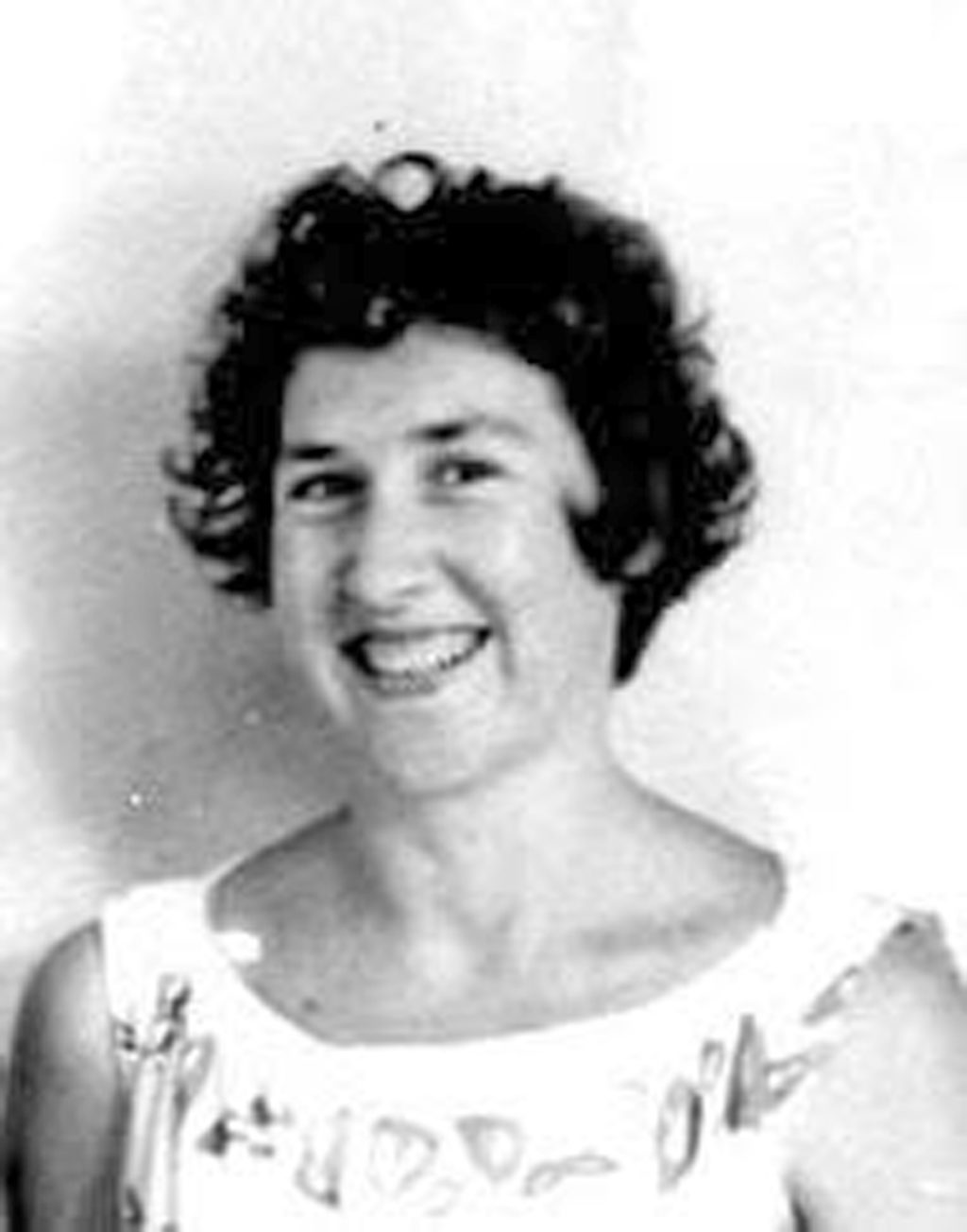
Among those who came was a young Australian teacher named Wendy Lay.
She was only 23 when she first came to Fiji, but Fiji was not even her first choice.
She had planned to go to Europe. She wanted to see Paris.
She wanted to visit galleries, paint and travel with two friends. Instead, a chance conversation changed the direction of her life.
Wendy’s story gives us a glimpse into a period when overseas teachers were an important part of Fiji’s education system and when the country itself was preparing for a new future.
Education in Fiji had been developing for many years before Wendy arrived.
Christian missionaries played an important role in the early spread of Western education.
In many places, teaching children to read and write went hand in hand with the work of the churches. As the years passed, however, education became much bigger than missionary work. Parents wanted their children to have better opportunities.
Schooling became a way for young people to prepare for jobs in government, business, teaching and other professions.
After World War II, the demand for education grew rapidly.
The problem was that Fiji did not have enough trained teachers. The shortage was especially serious in secondary schools.
Research into Fiji’s education system shows that the country relied heavily on New Zealand teachers recruited under a Scheme of Co-operation.
But the number of teachers coming from New Zealand was not enough to meet the growing demand during the 1960s.
In 1960, Fiji had 2516 teachers, including 69 recruited from overseas, mainly under the New Zealand Scheme of Co-operation.
By the end of the 1960s, the shortage had become a major concern. The number of students entering secondary education was increasing, but the number of trained teachers was not increasing at the same rate.
In 1960, about one in three secondary teachers was untrained.
By 1968, it was about one in two. The situation helps explain why teachers from overseas were so important. Fiji needed people who could walk into classrooms and teach. At the same time, the country was trying to build its own teacher-training system.
The University of the South Pacific opened in Suva in 1968, while diploma courses for secondary teachers began in 1969. These developments helped Fiji move towards training more of its own teachers. But before those changes could fully take effect, teachers from overseas were helping fill the gap.
Wendy Lay was one of them. Her journey began in Australia.
She had completed her three-year teaching bond at Bendigo High School and had resigned. She was ready for something different. Her plan was to travel to Europe with two art colleagues.
Then she had a conversation on a bus. A churchman asked whether she had ever thought about travelling to the Pacific Islands.
Fiji was mentioned. Wendy knew almost nothing about the country.
“Where is Fiji I wondered,” she later recalled.
She was not interested at first.
She already had plans.
“But I’m going on the Orontes liner in January with two art colleagues, to check out the galleries and to paint. To Paris. To Venice. To Barcelona.”
The idea of Fiji, however, stayed with her. She eventually joined a Methodist work camp in Fiji with 24 other young Australians. The visit was meant to be short. But it gave Wendy her first real experience of the country. She met people. She visited churches. She saw schools. She became involved with the Methodist community.
And then came an unexpected invitation. She was invited to teach. Wendy was only 23.
She wondered whether she was experienced enough.
“I’ve been invited to teach without a glance at a CV. Am I skilled at 23,” she wrote.
It was a huge decision. She could return to Australia, prepare for Europe and continued with the life she had planned.
Or she could return to Fiji.
She chose Fiji. Her words captured how unexpected the decision was.
“Sorry, I can’t go to Paris. Fiji will be an alternative romance.”
That decision placed Wendy inside the changing education system of Fiji.
Her first teaching experience was at Nausori Tutorial College. She travelled by bus from Suva.
The school was poor, but Wendy remembered the students warmly. The children were polite and eager to learn. There was, however, one major difficulty.
English — many of the students found English difficult.
Wendy had to change the way she taught.
“I had to slow down my speech, and articulate clearly.”
That simple sentence says a lot about what it meant for an overseas teacher to arrive in a Fijian classroom. The teacher had knowledge. The students were willing to learn. But they did not always speak the same way.
So the teacher had to adapt.
Wendy did. She also began learning from the students.
On weekends and during holidays, she sometimes went with them to meet their families.
She began to understand Indian and Fijian cultures.
“On holidays, or weekends I’d often go with the students to meet their families, learning about Indian and Fijian cultures.”
This was important because Fiji’s schools brought together children from different backgrounds.
The country had iTaukei, Indo-Fijian and other communities, each with their own languages, religions and traditions.
Wendy was not simply teaching subjects. She was learning the country around her.
History became one of the subjects that challenged her.
She was asked to teach Fiji history. But the main book available to her presented the country’s past largely from a colonial viewpoint.
Wendy wanted to know more.
She questioned why the story began with European explorers when Fiji had a much older history. She went to the Fiji Museum looking for answers.
She wanted her students to understand that Fiji’s history did not begin with European ships.
That experience changed the way she looked at teaching.
The teacher from Australia was now learning about Fiji from Fiji itself.
Art became another important part of her work. Wendy had always loved art. Fiji gave her something she had not expected — colour. At the Suva market, she saw bright vegetables, shellfish, kava and leaves.
“I connect with colour at Suva market.”
She had once looked at paintings in Australia and wondered why the colours did not seem as bright as she expected. In Fiji, she found those colours.
“The art books had lied, but colours in Fiji are brilliant.”
Her students benefited from her interest. She organised art activities and excursions. They visited the museum and graphic artists. In Labasa, students learned screen printing and made their own ink using Dylon dye mixed with cassava paste.
Their work impressed judges.
Her students won major prizes in a national art competition, and Wendy travelled with them to Suva for the prize-giving.
The story of Wendy’s teaching therefore became part of a much larger story.
The Education Commission of 1969 recommended experimental junior secondary schools in rural areas, showing just how much the country was trying to expand access to secondary education. But the expansion brought another problem. There were not enough teachers.
The shortage was so serious that the issue was still being discussed around Independence in 1970. A Fiji Times historical account notes that the shortage of qualified teachers was chronic and that there were many expatriate teachers in the country at the time. The overseas teachers came from various backgrounds. Some came through government, some came through church organisations while others came through volunteer programs.
They were part of a system that was slowly changing. The goal was eventually for Fiji to train and employ more of its own teachers. But teachers like Wendy helped keep classrooms going during that period.
For Wendy, the experience was changing her personally. She had come as an Australian. She was still Australian. But she was beginning to understand Fiji differently.
“At first a newcomer to Fiji, as I was, is mainly curious to find out everything and treat the people as exotic, as different.”
But she realised that this could not be the way she lived for “It takes time to become a participant, treating people as ordinary as myself, and not thinking of colour, language difference, race.”
That change was important. She began as a visitor. She became a teacher. Then she became part of the community. She lived with and around people from different backgrounds. She attended Fijian church services. She enjoyed bhajan. She became attached to the children at Dilkusha Orphanage.
She was known as Auntie Wendy to the little girls there. Her life was becoming connected to Fiji in ways she had not expected.
She had come for a short period. She had given up Paris. Now she was making friendships and memories. And then, during a Methodist youth camp, she met a young Fijian man named Peceli.
At first, there was nothing romantic about their meeting. She introduced herself as Wendy.
Someone heard “Wedewede”.
Peceli laughed and explained that it meant scratching around like a chicken. Wendy had another childhood nickname — “Lay-eggs”.
The meeting was light-hearted. Peceli told her he was a minister and that he was already married, with a baby.
The next day, Wendy gathered some dresses and gave them to him to take to his wife, Ateca.
Neither of them could have known then how important that meeting would become.
The young Australian teacher who had come to Fiji because she could not go to Paris was about to become part of a Fijian family.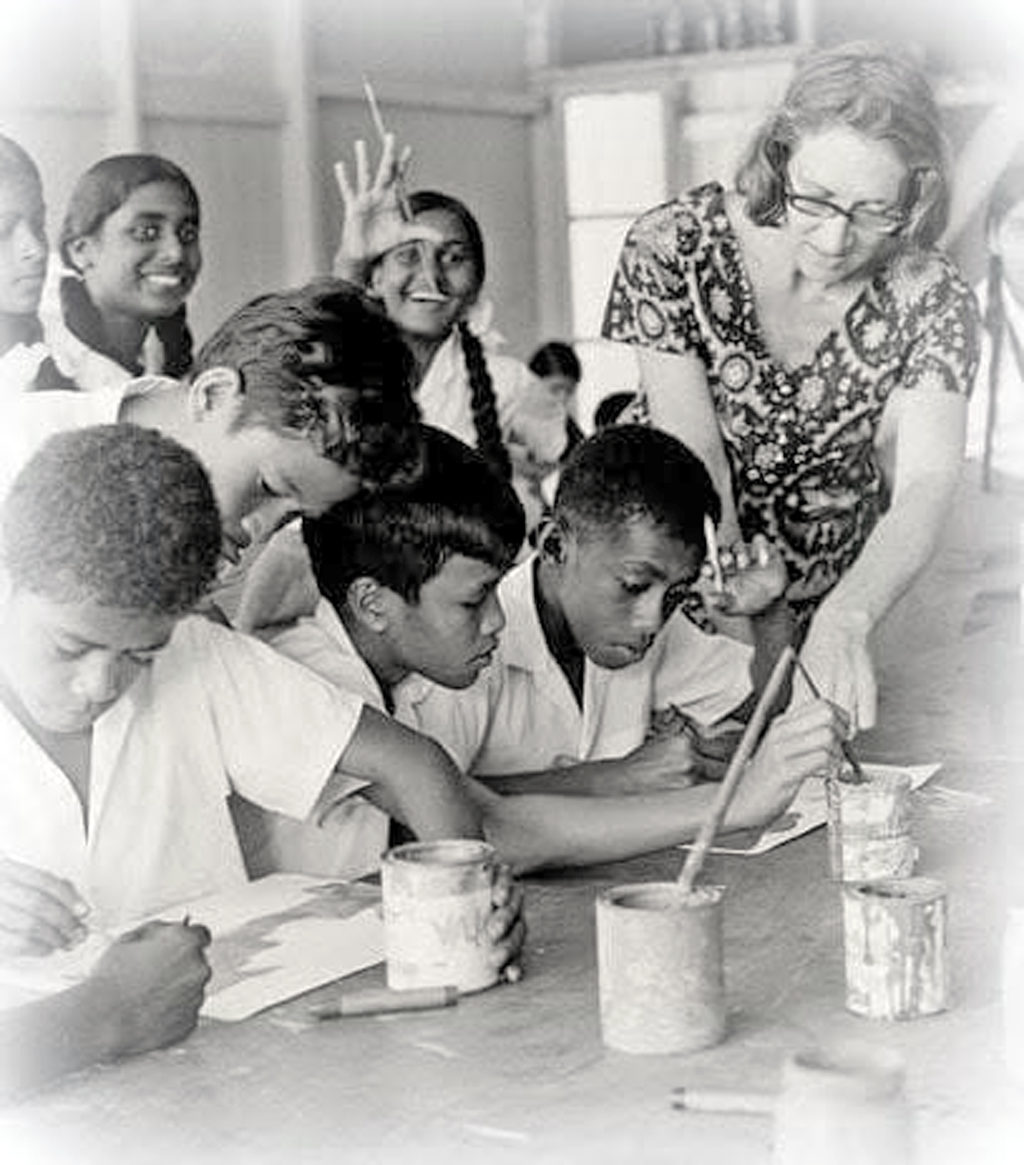
Wendy Lay while teaching at a school in Fiji.
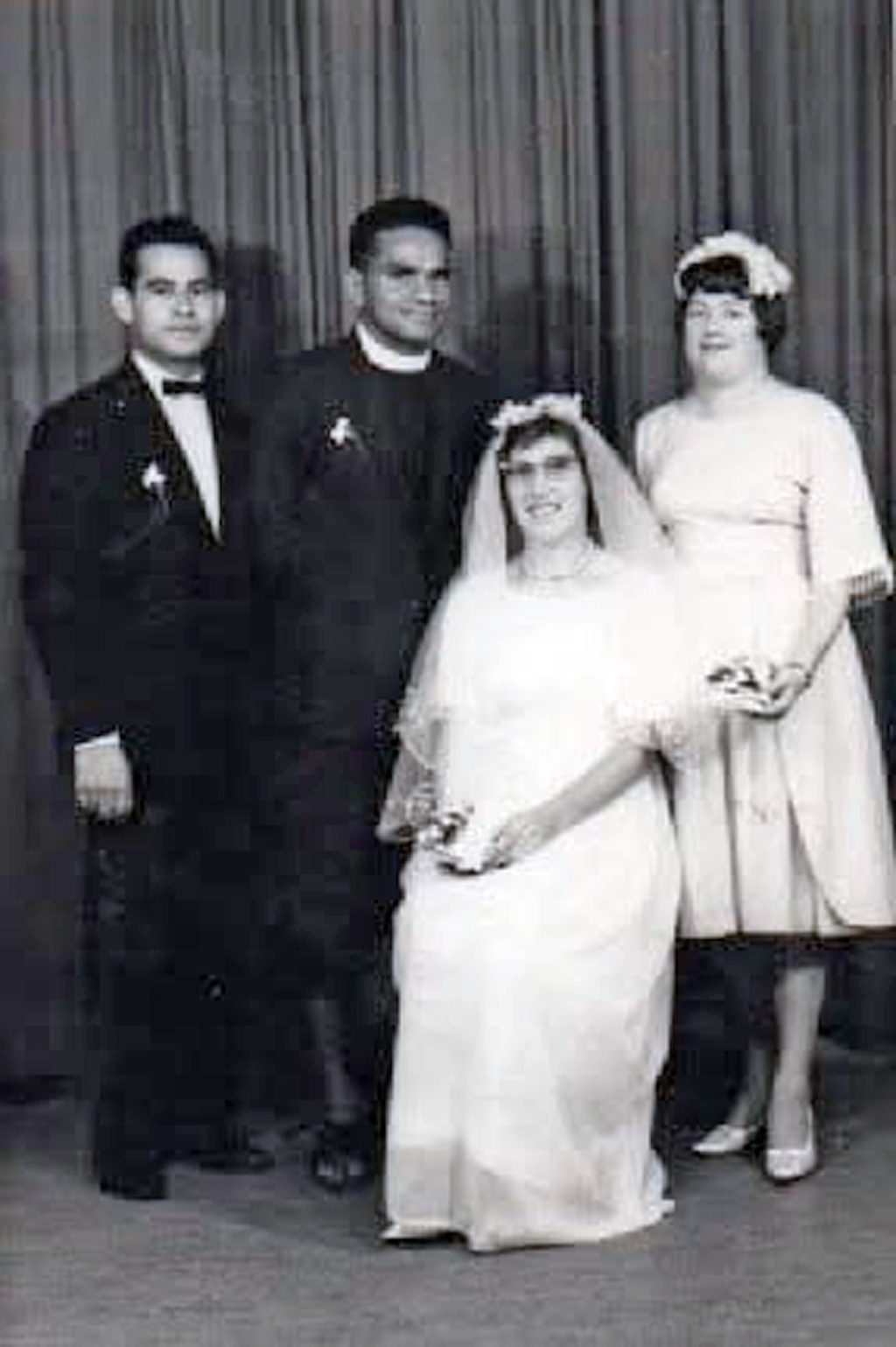
Wendy Lay and Peceli Ratawa on their wedding day.