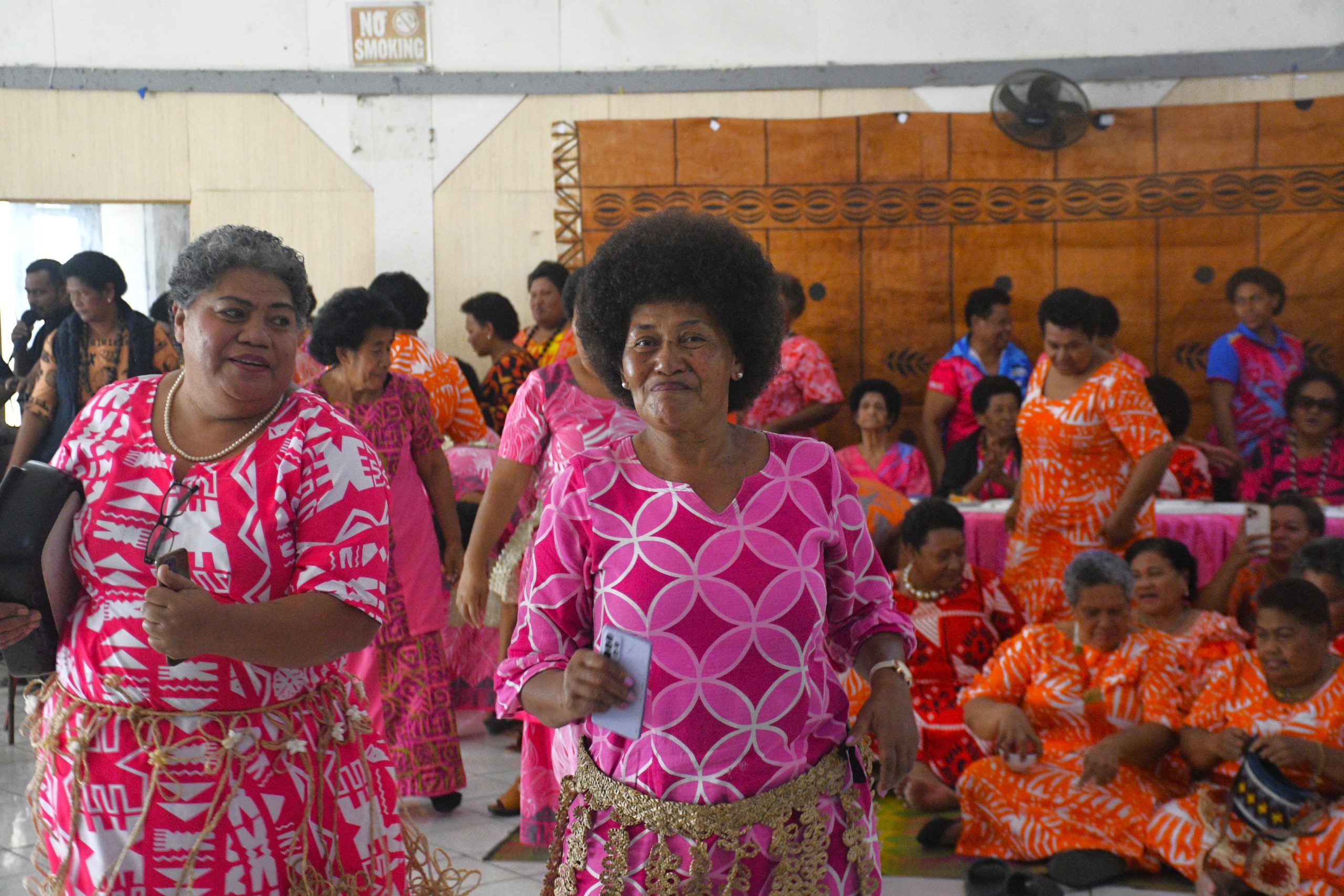
WOMEN in the Lau Group need greater education and awareness about cancer to overcome cultural barriers that prevent them from speaking openly about the disease, says Soqosoqo Vakamarama ni Yasana o Lau president Rigieta Halofaki.
She said some women were reluctant to seek medical attention because discussing health issues such as cancer remained taboo in their communities.
Ms Halofaki said greater awareness would encourage women to seek early medical checks, speak openly about their concerns and share information with others who might be silently battling the disease.
“If we are going to have a lot of education and awareness for women, they’ll be more educated on what they have to do. They’ll go to the hospital, have a chat, and then maybe spread the word to the other women who are affected by cancer but scared to speak up,” she said.
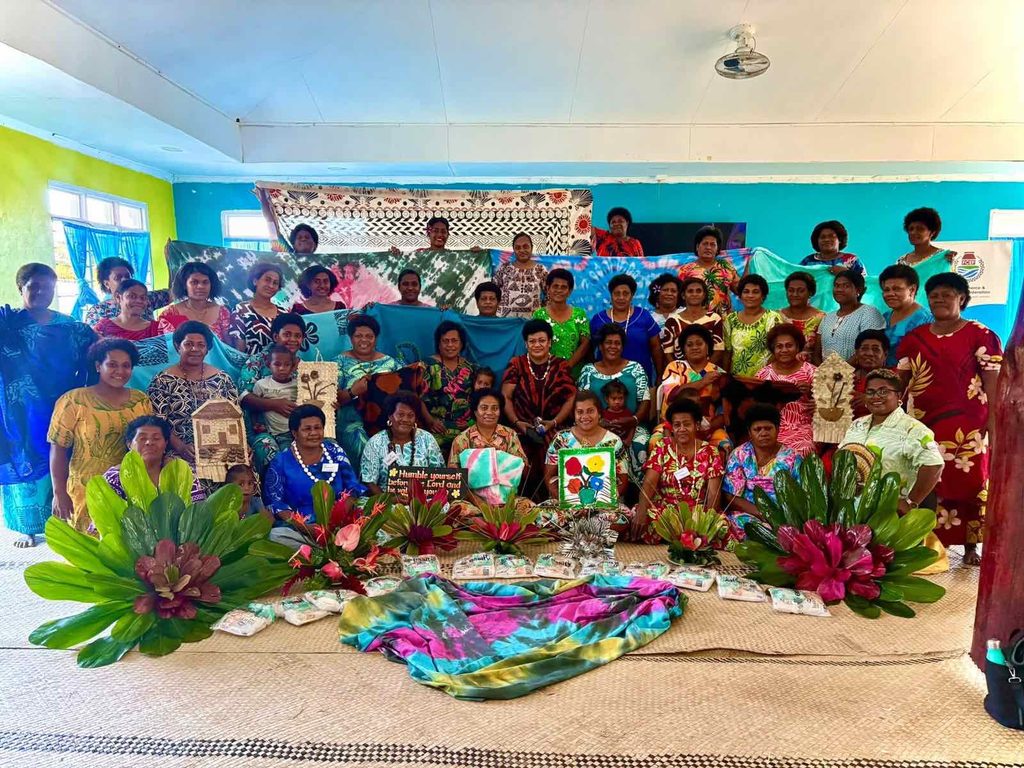
Ms Halofaki made the comments as the Soqosoqo Vakamarama marked three occasions yesterday: International Rural Women’s Day, Pinktober cancer awareness and the contributions of senior women over the years.
She said a recent awareness session conducted by the Fiji Cancer Society had encouraged the organisation to strengthen its focus on cancer education at the village level.
Ms Halofaki urged women who were afraid or hesitant to speak about cancer to come forward and seek medical checks early, stressing the importance of education in helping them make informed decisions about their health.
Beyond cancer awareness, she said the organisation was committed to taking the Soqosoqo Vakamarama to another level by preserving Lau’s traditional handicrafts and encouraging younger women to continue skills passed down through generations.
Lau women are renowned for their handicrafts, and Ms Halofaki said protecting this cultural heritage was important to keeping traditional knowledge alive.
Ms Halofaki also acknowledged the support of Lau women, saying their continued involvement was important to the organisation’s efforts to strengthen women’s knowledge, preserve cultural practices and empower future generations.