6-year journey pays off
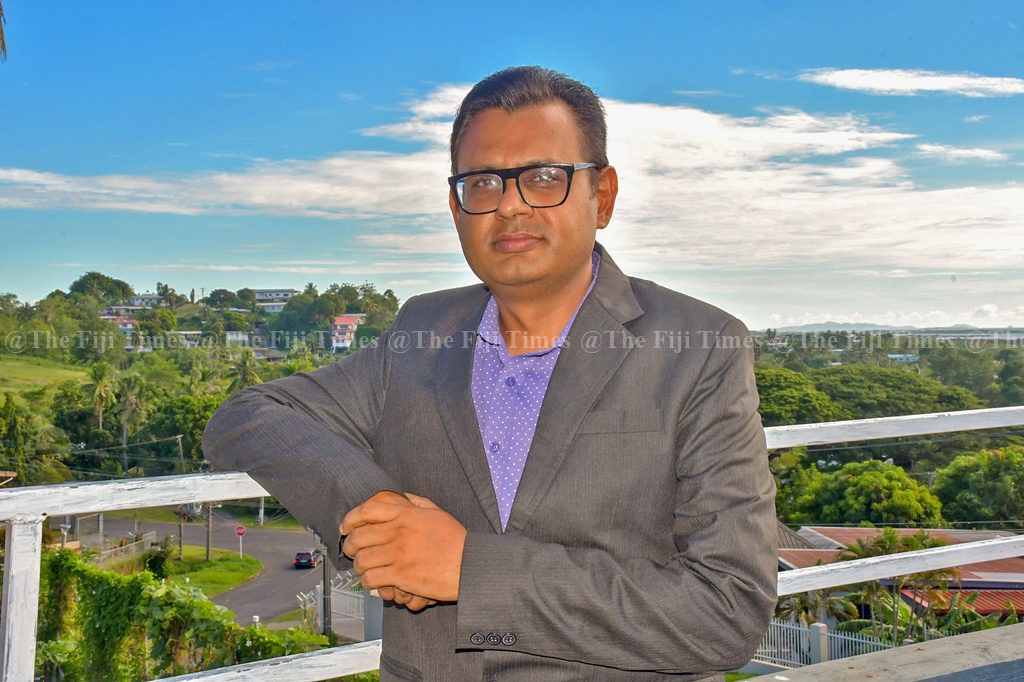
The iconic name Dr Sakul Kundra is no stranger to The Fiji Times. After attaining the highest academic degree of a Doctor of Philosophy (PhD) in India, Dr Kundra did not look back and recently graduated with a Bachelor of Law degree from USP. Despite his heavy commitments, where he had to juggle between studies, family commitment and work, Dr Kundra achieved the milestone. His story is an inspiration to academics and those pursuing studies at tertiary institutions in Fiji. I salute Elena Vucukula for sharing his journey (FT 22/05) which has been one of struggle, pain and suffering. Dr Kundra has been a huge contributor to The Fiji Times. His articles, which cover a wide range of topics, from historical narratives and tourism developments to education reforms and critical social issues, are well researched and well-articulated and are interesting to read. Dr Kundra is an academic with FNU. He is a social worker and a humanitarian. Whenever social groups have requested for his assistance, he has never turned them down. Hence, I thank the trusted brand and Vucukula for highlighting Dr Kundra’s success story and sharing his recipe for success- perseverance, dedication and hard work. Dr Kundra is a humble and down-to-earth family man who is deeply committed to the pursuit of knowledge, research, and public contribution. FNU is blessed to have an experienced, dedicated, passionate and committed leader who is a role model for the staff and students alike. He is an asset to FNU and Fiji. I wish Dr Kundra all the best in his endeavours! Rajnesh Ishwar Lingam Nadawa, Nasinu
EFL 44 per cent question
Has the new leadership team at EFL managed to figure out what exactly the 44 per cent (shareholder) Japanese partner is doing here in Fiji? In 2021, the Fijian Government had divested 24 per cent of its own shares to Sevens Pacific Pte Ltd, and FNPF had divested all of its own 20 per cent holding. Ok, I understand, the EFL never saw the money. The $F1.25billion went to Government and FNPF. The question is, what has the Chugoku and JBIC consortium done in terms of development and stabilisation of Fiji’s energy sector? I mean, apart from making huge profits and remitting the profits to Japan, how exactly have they benefited Fiji? We seem to be stuck with them. FCCC probably forgot to ask the correct questions. By the way, where does Investment Fiji feature in all this? Or, do they? We Fiji people have tough chins, we can take power punches flush on the face. Kiwis and Aussies are finding it so tough that thousands of them are Tasman-hopping, unable to find feet in a stable setting. We Fiji people ain’t running, we are grinding it out. The 44 per cent question also ain’t going. Donald Singh Nausori
Another postponement
It was clear from the start — I saw it coming. From the very beginning, I had a sense that the Government would hatch an excuse so unprecedented, so unexpected, to justify postponing the municipal election. Once again, we are witnessing a predictable pattern — a calculated, tactical approach designed to manipulate public emotions. First, it was the FijiFirst government employing such strategies, and now it’s the Coalition Government following the same playbook. How much longer will this blatant disregard for accountability continue? How long are the ratepayers of this country expected to tolerate this endless cycle of political gamesmanship and excuses? At what point do we demand better from those entrusted with power? Suresh Chand
Nadi Washrooms
The condition of the washrooms at the Suva Magistrates Court and the High Court of Fiji is extremely disappointing and unacceptable for courts that serve as some of the most important judicial institutions in Fiji. Being located in the Capital City, these courts should set a standard for professionalism, cleanliness, and maintenance for the rest of the country to follow. Unfortunately, the washroom facilities are among the worst seen in courts around Fiji. These courts are attended daily by members of the public, renowned businessmen, senior lawyers, judicial officers, former Members of Parliament, and past and present government officials. The poor condition of the facilities creates an unpleasant experience and reflects badly on the image of the justice system. Clean and properly maintained washrooms are a basic necessity, especially in institutions that deal with the administration of justice. I respectfully urge the relevant authorities to urgently address the cleanliness and maintenance of the court facilities in Suva so that they reflect the dignity and standard expected of Fiji’s leading courts. Raynav Chand Nakasi, Nausori
Service charges
In my last electricity bill, EFL credited a mere 10 cents as interest on a $100 security deposit held from January to March this year, yet proceeded to deduct $17.40 as service charges for mains repairs carried out in Lautoka. Why should customers be expected to bear the cost of repairs to main power lines, which are clearly part of the company’s own infrastructure and responsibility? It is rather remarkable that while customers receive interest barely sufficient to purchase a single lolly, they are simultaneously expected to finance repairs for a utility service they already pay dearly to use. Kemudou! DINESH KUMAR Ba
North London is Red
“Bottlers, always the brides-maid – never the bride and second again ole ole.”
These were the taunts arsenal fans had to endure season after season. How the tables have turned, the rivals have gone into hibernation. The pain of coming second not once but thrice in a row was unbearable to say the least, surely this couldn’t be the fourth season where arsenal came second. Mikel Arteta’s Arsenal persevered and delivered just when the title seemed to be slipping – yet again! Declan Rice’s words, “it’s not done” after their loss to Manchester City has now become iconic. It goes on to show how grit, positive mind-set, determination and of course a bit of luck (thank you Bournemouth), can bring you success, despite the odds stacked against you. Congratulations to Arsenal and Arteta, this was the final phase. What he promised upon signing as Arsenal’s manager in 2019, he has delivered — the fans are on seventh heaven. History has been created and more could be created with the European Champions League Final on the horizon. Now Arsenal fans can watch the last premier league match against Crystal Palace without any stress. Arsenal will officially lift the EPL crown on the coming Monday at around 5.10am Fiji Time. Finally, we are where we belong – at the top! Azeem Ud Dean Lautoka
A little gem
A little gem dropped into my mind, so I’ll share it with you: Allow “grace” some “space”! Colin Deoki Australia
Visitors’ safety
The Fiji Times reports on adverse weather with pictures of cyclones alerting people to take necessary precautions, including the safety of our visitors who always find Fiji safe for holidays. Bula smiles welcome and safe returns remain priority to keep up to the pride of every Fijian — the way the world should be. Tahir Ali Hamilton, New Zealand
Charismatic Cristiano
Charismatic Cristiano Ronaldo has done it again. Al-Nassr signed him to win them the Saudi Pro League title. And he did that in style, not only added another feather to his cap but also brought long awaited joy to the Al-Nassr fans. The title is the first for the 41-year Ronaldo. The title has earned his club iconic status in football. Ronaldo not only captained the side but led the side with determination, motivation and exemplary football skills. He scored two goals with pace, power and precision. Our young footballers have a lot to learn from the GOAT. Arun Prasad Dilkusha, Nausori
Stable economy
Prime Minister Sitiveni Rabuka asserts that Fiji’s economy remains strong and stable, yet ordinary Fijians are simultaneously being told to prepare for rising prices and difficult financial times ahead. If the economy is indeed so “steady” and “robust”, as Rambo has stated, then why the need for fuel surcharges, bus fare increases, and, more concerningly, the deferment of local government elections on the grounds of financial constraints? One cannot continue painting a rosy picture of economic resilience while citizens struggle with the escalating cost of living. Nishant Singh Lautoka
Golf event
As a Life Member of the Fiji Golf Club (FGC), Suva, I humbly plead with organisers of the TELECOM/Fiji Cancer Society Charity Golf Tournament (FT 22/5, page 45) to please reschedule this fundraiser to a Friday or a Sunday. Please leave the Saturday for the FGC members to enjoy their weekly golf at $20 a head instead of the $175pp being asked for this charity event. Vijay P. Madhavan Borron Rd, Suva
Not impressed at all
The 20 per cent cut followed a 138 per cent rise. Despite this, I am yet to meet anyone who has been impressed. Do you think a better option would have been a cut with a permanent reduction in numbers on both sides of the August House? Mohammed Imraz Janif Natabua, Lautoka
National treasure entrance
As a national treasure and the guardian of our nation’s history, culture, and identity, the museum is one of Fiji’s most important institutions and should be presented with the dignity it deserves. Sadly, the entrance does not create a first impression of both the museum and our country and neither does it reflect the value of the treasures and stories preserved within. I urge the Government and relevant authorities to prioritise repairs and maintenance of the museum’s entrance and surroundings. This is not simply about infrastructure — it is about demonstrating pride in our heritage and respect for future generations who will learn from it! Noleen Billings Savusavu
Thank you all
The Fiji Times’ letter to the editor section consistently showcases a variety of interesting and informative submissions each day. To begin, this column touches on a broad assortment of topics, making it an undeniably engaging read. Furthermore, a heartfelt thank you goes out to all the writers who contribute to this section. Notably, it is evident that these individuals dedicate considerable time and effort to crafting the captivating pieces we eagerly anticipate daily, and their contributions are truly appreciated. Additionally, it’s important to acknowledge the newspaper and its editorial team for providing writers with a platform to express their ideas. Interestingly, every contributor brings their own unique writing style to the table, but what stands out most are the thoughts and beliefs they convey. Moreover, it’s reassuring to know that each letter is carefully reviewed and verified before publication, ensuring both quality and authenticity. In my opinion, the consistent quality and presentation of this column deserves high praise. Moving forward, let’s hope The Fiji Times continues its proud tradition of excellence and remains true to its mission. Finally, thank you to The Fiji Times for making this invaluable platform possible. Suresh Chand Nadi
The message
More than 10 days have passed since I came across the RFMF Commander, Major General Ro Jone Kalouniwai, for acknowledging the accountability of the Fiji military in the death of Vakarisi, and suggested that the military should be held “accountable”. (Fiji Village 11/5). I silently asked: How? While many praised his honesty, I hold a different concern. Personally, I believe faults should be acknowledged, but when national leaders openly admit institutional failure in such a serious matter, it also raises questions about the systems and protocols that have existed within Fiji’s military structure since 1987. If the military is only assisting in operations with the Police Force, then why are situations continuing to arise where citizens fear excessive force or even death at the hands of those meant to protect them? Should not accused persons first be handled professionally by the police force, then processed through the courts where judges determine justice according to the law? That is how democracy and the rule of law are meant to function. The commander’s statement may have been sincere, but it also indirectly highlights a long-standing concern in Fiji: whether proper safeguards, restraint protocols, and accountability mechanisms have truly been established within our security institutions over the years. Even more concerning is that such a message was delivered in a church setting. The role of the church should be to point citizens toward the fear of God, righteousness, self-control, and peace — not leave the impression that people must live in fear of military power. A nation remains stable not when citizens fear armed institutions, but when institutions themselves fear the law, respect human dignity, and remain fully subject to constitutional order. Fiji deserves security forces that are disciplined, restrained, and firmly guided by lawful process at every level. Peceli Alistir Waitolu, Naitasiri
Nations unite!
As I went over Thursday’s front page (21/05), this adage, “Unity is strength, and together we can achieve what alone we cannot”, came to the fore. The front page story titled “Nations unite” was about Pacific nations launching an unprecedented regional push against organised crime, warning that drug trafficking, money laundering and cybercrime are outpacing national borders and overwhelming isolated policing reports. I salute these nations for the unity and vision. Now, is the time to act. I commend the national government ministers and police chiefs for agreeing on the need for a coordinated cross-border strategy to combat drug trafficking, cybercrime, money laundering and illegal maritime activity. No one nation can address these critical issues that could plague communities and societies and island nations. Action must take place. Strategies must be put in place. A transnational response is needed to counter the rising and worrying cases of transnational crime which seems to be organised perfectly well. I conclude with the wise words of the leader of the American civil rights movement, Martin Luther King, “We must learn to live together as brothers or perish like fools”. I echo the sentiments of the editor (FT: 21/05), “The Pacific must remain a region defined by the collective resolve of nations determined to stand together and fight back”. Enough of side-line watching and pointing fingers! We act decisively or social and economic issues will haunt us! Rajnesh Ishwar Lingam Nadawa, Nasinu
No lights
I thought it only happened to me in our beautiful town of Savusavu. I was wrong. I was again proven wrong when I visited Suva, Nadi and Labasa two weeks ago. Same happened to me there. Drivers drive through towns, cities and suburbs with absolutely no lights on. Before was small cars. Now it’s even semi-trailers. What are these monsters trying to prove. Are they “stoned?”. Or simply put no law applies to them because they are the law. They are a menace to our roads and our society and they don’t value other lives. We already had to drive carefully and safely on our unsafe roads especially at night and now comes another headache. I call on all relevant authorities to please look into this urgently. It’s a real concern out there. Disaster waiting to happen. A Shariff Shah Savusavu
EFL hedging strategy
The recent approval of EFL’s fuel surcharge raises a central question that neither the company nor the FCCC has addressed: What happened to EFL’s hedging strategy? This is not a minor technicality. It goes to the heart of whether the current crisis is genuine or the result of internal failures that have been concealed from the public. EFL’s own 2024 Annual Report is unequivocal. Under Note 3, the company states that it actively hedges foreign exchange exposure, particularly for USD–denominated fuel purchases, using forward exchange contracts and option contracts. It further confirms that a dedicated committee oversees this risk–management function. These hedges are designed precisely for periods of volatility — to stabilise costs, smooth shocks, and prevent sudden surcharges being passed to consumers. Yet in the present crisis, hedging has vanished from the narrative. EFL has not explained whether these contracts existed, whether they were executed, whether they were unwound, or whether they failed. If hedging was in place, why did it not cushion Brent crude volatility? If it was abandoned, why was this not disclosed? And if it was never activated despite being publicly declared, then the public deserves to know why a core risk–management tool was ignored. Equally troubling is the FCCC’s silence. A regulator cannot claim due diligence while ignoring the very mechanism EFL itself identifies as its primary defence against fuel and currency shocks. EFL has now approached the public two or three times in as many years. Before it does so again, it must account for its hedging strategy — and the FCCC must explain why this critical issue was not interrogated before approving yet another surcharge. DR SUSHIL K SHARMA Lautoka
Confronting history
I only came to know from a write up in Truth for Fiji blog site that former military top brass and current Fiji Permanent Representative to the United Nations, Filipo Tarakinikini, told the Fiji Truth and Reconciliation Commission that “If Fiji is to move forward, the country must confront its history honestly”. I don’t think this will happen. I believe those who think we will confront our history — our coup history — honestly are politically naive. We do not have a culture of truth telling. What we have instead is a pattern of dishonesty, deceit, downright lying, treachery and cover ups. That is why so much of what really transpired from the first military coup of 1987 and the subsequent ones remain hidden from the people of Fiji. After the Truth and Reconciliation Commission finishes its business, the truth regarding the Fiji coups will remain hidden. Mark my word on this. Rajend Naidu Sydney, Australia
Soccer tournament
I would like to request Fiji football associates to hold all league matches and Fiji FACT from June 12 until July 12, 2026. The reason would be:
Players and coaches can watch and learn new skill and tactics
Match officials (referees) can learn about new rules and challenges during match.
My question to Fiji Football Association is what is the motivate of organising a major tournament during the FIFA World Cup? People always go for quality and they want to see quality and high level of football. I don’t think people around the world will subscribe to watch a tournament which is directly giving competition to FIFA World Cup and it’s also free to air live. Avinesh Narayan Vomo St, Lautoka
Littering an ongoing issue
Portable CCTV cameras, I believe, can be a useful tool to combat littering by identifying offenders or reminding people that their actions are illegal. Even basic measures, like signs indicating active CCTV surveillance to deter littering, may encourage individuals to dispose of waste properly — either by using a bin or taking their trash home. This method could be especially effective in reducing waste thrown from vehicles, particularly when supported by warning signs placed at key locations like traffic lights. Currently, the absence of significant consequences for littering, whether through social disapproval or fines, reduces the incentive for people to change their behaviour. Addressing this issue is essential for promoting accountability. However, enforcement strategies need to be carefully implemented. For instance, there should not be any limits on the number of fines issued, and clear definitions need to be established for what is considered litter — like packaging, bottles, cans, and cigarette butts — while leaving out biodegradable waste such as food. Not clarifying these distinctions has previously caused public dissatisfaction, even though all discarded items technically fall under the definition of litter. By utilising portable CCTV systems and related warnings, communities could more effectively address littering. Such efforts not only encourage cleaner environments but also foster a greater sense of responsibility among individuals, especially in areas that often see waste from vehicles. Let us all work together to make Fiji litter free. Suresh Chand Nadi
Dilapidated public convenience
I am compelled to raise serious issues regarding the deteriorating state of the public convenience at Levuka Wharf. The facility remains in a dangerously poor condition, with cracked walls, unhygienic surroundings, and inadequate maintenance. This situation is not only unacceptable, but also constitutes a breach of statutory obligations under Public Health Act which requires that public facilities be maintained in a sanitary condition to safeguard community health. The Occupational Health and Safety Regulations mandates that workplaces and public-use facilities must be structurally safe and free from hazards that endanger users. The current state of the Levuka Wharf public convenience exposes users to structural risks due to cracked walls and compromised integrity. The health hazards from unhygienic conditions and lack of proper cleaning. This is a huge reputational damage to Levuka as a UNESCO World Heritage site and to Fiji Ports Corporation as custodian of public trust. I trust that Fiji Ports Corporation will act swiftly to uphold its statutory responsibilities and protect the health, safety, and dignity of all users of Levuka Wharf. Before that the engineers will have to have a look determine if the structural components are safe as there are signs of stress on the concrete beam which was built in 1979. Satish Nakched Suva
Time to deliver!
The Swire Shipping Fijian Drua made their debut in Super Rugby Pacific in 2022. The side finished the regular season on 11th position with 12 points and three wins. Just in their second year, the side qualified for the quarterfinals, having finished seventh with 26 points. The Drua made headlines as they beat the most successful team in Super Rugby, the Crusaders 25-24 at Churchill Park. The side also beat the Hurricanes 27-24. The Drua lost to the Crusaders 49-8 in the quarterfinal. The Drua also finished seventh in 2024 with 26 points. The side recorded back-to-back wins over the Crusaders 20-10 and beat two Aussies sides — the Waratahs 39-36 and Reds 28-19, respectively, for the first time. The side made it back-to-back quarterfinals which they lost to the eventual winners, the Blues 36-5. Last year, the Drua’s performance deteriorated and they could not reach the eliminations, having finished last with 20 points. This year, the Drua have struggled in the competition. They currently sit on 10th position with 20 points and need two bonus point wins against the Western Force and Queensland Reds to reach the top six with hopes that other results go their way. Inconsistency, poor discipline, the inability to execute opportunities from set-pieces and convert them and basic errors have been the highlight. Last week’s sluggish first-half effort was eyesore. Tonight, in a furious clash, the Drua face the Force whom they beat 24-22. The Force have a good record at home, having thrashed the Drua 34-14 in 2023, 48-10 in 2024 and 52-15 in 2025. They sit on ninth position, two points ahead of the Drua who are sitting on 10th with 20 points. They are six points shy of a top six finish and will try their best to get the much-needed bonus point against the Drua in the City of Light. Rajnesh Ishwar Lingam Nadawa, Nasinu
Sports in Ba
I have been silently following Ba soccer and rugby for the past three years I must salute and congratulate the president of Ba soccer Praneel Dass and Gabby Kautoga of Ba rugby, for all their efforts towards the development of sports in Ba. While I have been the biggest critic of Fiji FA in recent history, it doesn’t mean I don’t like the president or the CEO of Fiji FA. Both are credible people. I have always voiced my concerns on development and nothing else. I have always voiced my concerns on club soccer or rugby or for that matter any sport. There is no quick fix or band aid solution. I always believe you can never put a cart before a horse. Our future as a developing nation in sports with so much talent has to be nurtured from grassroots. Then to clubs. If we don’t have strong club competitions, our district teams are weak and in return our national team will become a laughing stock. It goes for all sporting bodies. The two guys from Ba have set the platform for others to follow. Other districts are criticising them. Instead please take the positives and correct your failures. In a year or five, Ba will be untouchable. Mark my words. I must also thank Vinod Patel Group with their very good CEO Rahul Amin for stepping forward in sponsoring the whole of Ba Rugby. Now people of Fiji are seeing Ba as a major sports hub. A place to be. A place to go to. It’s exciting. The iconic Govind Park is back. Thanks to all involved especially the Dayal family and the Ba Town Council and also a big thank you to 4 R Electric. Ba has risen. So has its economy. Others left behind have to follow. Or else you are doomed. It’s all in front of everyone’s eyes to see what Ba is all about. If you can’t see it, open it wide and you will definitely see. Ba has prepared well over the years. It’s not a one night or day thing. They have prepared well not to fail. Failure is not in their DNA. Others have all failed to prepare. So prepare to fail. A. Shariff Shah Savusavu
A different take!
Colin Deoki draws erroneous analogies to dismiss Dialogue Fiji executive director Nilesh Lal’s condemnation of the use of a mynah bird shirt image to mark Girmit Day celebrations (FT 19/5). Mr Lal’s condemnation is justified. It is the entrenched race prejudice and stereotyping and stigmatisation associated with that symbolism that propelled the 1987 Rabuka military coup and the 2000 Speight “civilian” coup. No amount of whitewashing and sugar coating can alter that historical truth. If in doubt ask the former government minister Adi Asenaca Caucau who described the Indo-Fijians as “weed”. How many iTaukei extremist and ethno-nationalist in the Taukei Movement who fomented the coups subscribed to that distorted view of the Indo-Fijian descendants of the girmitiya? Colin should think about that. Rajend Naidu Sydney, Australia
Climate challenge
As scientific models forecast a severe El Niño event later this year, Fiji stands on the precipice of a dual climate crisis: Prolonged, extreme dry weather paired with the heightened threat of destructive cyclones. We cannot afford to treat this as a distant warning. We must remember the devastating 2015–2016 El Niño, which fueled Category 5 Severe Tropical Cyclone Winston. A decade later, many of our communities are still rebuilding from that historic trauma. With a similar climate anomaly approaching, proactive mitigation must be our national priority. The upcoming 2026–2027 national budget presents a critical window for action. The Fijian Government must strategically allocate funds to fortify frontline resilience. First, we need immediate budgetary provisions to distribute rainwater harvesting tanks to water-stressed rural and maritime communities. Second, our agricultural sector requires direct support; farming families must be equipped with climate-resilient tools, drip-irrigation kits, and drought-resistant crop varieties to protect national food security. We cannot prevent El Niño, but we can prevent catastrophe. Let us invest in preparation now, rather than paying the far higher price of disaster response later. Meli Matanatoto Nadi
Bus driver licence
Can the good guys at the Land Transport Authority explain how some foreigners, particularly Bangladeshis, were able to obtain PSV bus licences when many can hardly converse in English? I was under the impression that both the written and practical driving tests are conducted in the English language, unless, of course, LTA has now employed Bangladeshi interpreters to help applicants secure licences. Given the level of questionable practices that continue to plague our island nation, the public would certainly appreciate a transparent clarification from the authorities. Nishant Singh Lautoka
Tough and wise decisions
The rise in fuel prices and bus fares will place a heavy burden on household budgets, especially for low-income and large families. Many will be forced to reassess their priorities, focusing on essential needs over wants. These are tough times and families must make tough, but wise decisions as global pressures continue to affect our daily lives in many aspects. In response, more households may turn to home gardening, fishing, and other subsistence activities to help put food on the table. Adaptability and resilience will be key as families navigate these challenges. Floyd Robinson Micronesia
Painful reality
I am writing to once again express my total opposition to the proposed $1.4 billion waste-to-energy incinerator at Vuda Point. I have previously written to your pages to voice my disagreement, but as the developers push forward, it is critical that we do not let our guard down. We must acknowledge a painful reality: Local landowners are easily lured by the promise of big money. Wealthy foreign investors know exactly how to exploit local economic vulnerabilities with short-term cash payouts. However, we cannot allow our long-term heritage to be sold off. Once our land and pristine marine ecosystems are poisoned, no amount of money can buy them back. The math behind this project simply does not work. Our nation produces roughly 200,000 tonnes of waste per year, yet this massive facility requires 900,000 tonnes annually to function. The only way to bridge this gap is to turn our home into a dumping ground for foreign rubbish. I urge our traditional leaders, landowners, and the Department of Environment to stand strong against these financial temptations. We must listen to the thousands of petitioning citizens and reject this proposal once and for all. Peceli Alistir Waitolu, Naitasiri
Chameleon of chameleons!
TNG has publicly stated that their proposed WtE project “has consistently been presented as a Fiji-based waste management and energy recovery initiative” (The Fiji Times, 15/05). However, their own corporate video still states: “The facility will accept processed waste from neighbouring Pacific islands and Australia, creating a true circular economy and regional partnership.” They might be forgiven for not knowing what their own video actually says, considering it appears to have been created almost entirely by AI. However, there are numerous (human) witnesses across the six consultation meetings who heard one or more of TNG’s representatives — including Ian Malouf and Rob Cromb — state that the project would not be viable without imported waste because it required 900,000 tonnes of waste feedstock annually, while Fiji only produces around 200,000 tonnes. Ergo, the necessity of imported waste and, I might add, the industrial port facility. Additionally, the April 1 article published in The Australian, where Ian Malouf extolled the benefits of TNG Fiji importing other countries’ waste, stating: “We are importing waste which then creates electricity.” Furthermore, specific sections from their own EIA refers to Australia and Pacific waste feedstock (e.g., Part A pages 7, 10 [Section 1.4], and 25). In particular Part B, page 54 presents information showing that – without exception – every single day of the year, 84 containers of waste feedstock from Australia and the Pacific will be opened for use. Every time these two guys hit a new obstacle, they morph into something that they think will make their project appear more attractive, more believable, more possible. Given that they are so flexible with the facts, are we really prepared to put our trust in them to manage a project with such irreversible consequences? I suppose the one upside to today’s announcement is that, since they “apparently” will not be importing waste feedstock after all, they will no longer be needing that industrial port facility. Which means they can put it somewhere else rather than on the Heritage Coast. Messrs Malouf and Cromb, you have grossly underestimated the people of Fiji. We see you, no matter how chameleon-like you try to become. Lucy Blackmore Saweni
Welcome waste news
It is very welcomed news that Rob Cromb of TNG said this facility is for Fiji waste only, and David Gamble of GHD stated that “the facility is designed to be capable of operating without requiring waste to be imported from Australia”. FT 19/05/26. This is fantastic! Importing 700,000 tonnes of waste from Australia per annum has been one of the major concerns of the public. Now we are told, it is no longer necessary. Hooray! I wonder if the EIA will need to be amended and resubmitted as this is a big shift in policy. Anyway, this news alleviates many of our fears and concerns about the potential hazards posed by cutting across hazardous waste movement conventions, border security, biosecurity, and bringing polluting fossil fuels to Fiji that result toxic bi-product creation. The change significantly alters the project’s logistical dynamics and cost benefits, so much so, that it could just lay a foundation upon which public acceptance might be built. Consequently, this change in fuel source eliminates the need for a deep-water port access both at the proposed site and in other Pacific Islands where feedstock could “eventually be sourced from” (GHD). Barges could be used instead of container ships as barges have a shallow draft. It means no container storage and cleaning facilities, large piles of toxic ash for disposal, gantry cranes, trucks, and endless wasted diesel fuel shipping containers to and from Fiji. This means the project can now be relocated away from pristine heritage and tourism areas to a site adjacent existing landfills and scaled down to manage our local waste only. If this is done, feedstock could be conveyed directly from landfill to the facility, eliminating the need of putting more trucks on the road and further infrastructure development. This could be a win-win situation, depending on if indeed burning waste is actually the best treatment solution (other options are available and worth consideration). In the case of Vunato landfill in Lautoka, the leaching issue could be stabilised at the same time an offloading facility is built. It’s beginning to make sense. By the way, did you know the Naikorokoro site was never initially “identified” for industrial use as Mr Cromb said in the Mai TV interview.? When Mr Cromb purchased the land from Oldzone Corporation, the tourism lease he purchased came with an approved EIA for an integrated tourism-residential-marina development. However, Mr Cromb abandoned that plan and has now somehow been persuaded it is suitable for a waste to energy industrial precinct. Instead of wanting to build an W2E plant and finding the best location for it, he has said to himself, ‘I have this parcel of land, what can I build here.’ This has been the mis-step that has contributed to the biggest ever environmental protest in Fiji’s history (Google it, it’s true). Now that these significant obstacles of importing waste, and a deep water port is put to bed, done away with, laid to rest, dead and buried, and extinct, TNG can consider a scaled down facility and a new location that does not cause such deep distress to, and attract such fierce opposition from, the people of Fiji. It’s just common sense. Why build a facility with 900,000 tpa capacity when there is only about 200,000 tpa of available feedstock? But wait, is mining, sorting, bailing, and transporting soggy decomposed feedstock from Naboro and daily collections from other sites around the country really a viable financial and logistical option? Will rate payers be financing this? Will increased tipping fees cause illegal dumping to flourish? This is the next debate. Paul Forrest Saweni
Time to heal
I was sweeping our driveway, now blanketed in a tapestry of autumn leaves — reds, golds and burnt oranges scattered like nature’s artwork. It’s an exquisite time of year in Melbourne. The tree lined streets look like painted sentinels. And as you drive through them, it feels almost surreal, like the world has slowed just enough for you to notice its exquisite beauty. For me, it’s the picture perfect season. The air is crisp, the light is gentle and everything seems to be preparing quietly for what lies ahead. Winter’s freezing chills. And then, without warning, a memory drifted in. As kids growing up in Suva, life was lived outdoors. We played hard, laughed loudly and, more often than not, ended up with grazed knees, bruises, or small cuts. It was all part of the adventure. But help was never far away. The botebotekoro plant was always within reach. Someone would run, grab a handful, squeeze its juice onto the wound, and just like that, the bleeding would stop. There might’ve been a sting, maybe a tear or two but it never lasted long. Because soon after, we’d get back up and start playing again, as if nothing had happened. No bandaids in those days. A few days later, a scab would form. Nature’s quiet way of saying, healing is underway. Of course, there was always that temptation — to pick at it. To interfere. To reopen what was already trying to mend. But we were warned: leave it alone. Picking at a scab doesn’t help. It delays healing. Sometimes, it makes the wound worse. And that thought stayed with me. Because life, in many ways, is no different. We all get wounded along the way. Not just physically, but emotionally, mentally, and spiritually. Words spoken. Trust broken. Moments that leave a mark deeper than we expected. And while time does begin the healing process, many of us, knowingly or unknowingly, keep “picking at the scab”. We revisit the pain. We replay the hurt. We hold onto bitterness and call it protection or whatever justification we land on. But in doing so, we interrupt the very healing we so desperately need. Left unchecked, those wounds can shape how we see the world and how we see others. Pain becomes the lens. And before long, it begins to define us. I know this, because I’ve been there. And it’s not a good place to live in. Healing doesn’t mean pretending the wound never existed. It means allowing it to close without interference. It means choosing, sometimes daily, to stop reopening what is trying to heal. So, if this resonates with you, just pause for a moment. Is there a wound you’ve been revisiting? An old scab you’ve been picking at? Maybe it’s time to let it go and let it be. Because healing is already at work, if only we allow it space and time to heal. Because, God knows, you need it! Colin Deoki Australia
Training opportunity
I support the Oceania Institute of Technology’s plan to offer aviation programs from next year in Nadi. For youth in Serua, Nadroga, and the wider West, this is a real opportunity close to home. Too often our young people in the West miss out on high-skill jobs because training is only available overseas or in Suva at high cost. Having Diploma of Aircraft Maintenance Engineering, Aviation, Airport and Airline Operations, and future pilot training pathways in Namaka, Nadi, means Serua and Western students can train locally and return home qualified. This will open jobs not just in Nadi Airport, but across the region as OIT works with Pacific governments. I urge the Ministry of Education, Ministry of Employment, TLS and our provincial councils to back OIT so more West and Serua youths can take up these careers. Thank you to Dr Hasmukh Lal and the OIT team for bringing this opportunity to our doorstep. Mikaele Leawere Galoa Village, Batiwai, Serua
Fiji as Ground Zero
The disclosures from this week’s inaugural Pacific Transnational Crime Summit confirmed a terrifying shift in our national security landscape: Fiji is no longer merely a transit corridor on the Pacific drug highway — it has become a narcotic stockpile nation. Australian Federal Police Commissioner Krissy Barrett revealed a staggering 17 tonnes of illicit drugs have been seized across the Pacific in just the first five months of 2026, compared to 4.6 tonnes for the entirety of 2025. This massive influx is no longer just passing through. As international experts noted, COVID-19 pandemic disruptions effectively trapped transiting narcotics inside our borders, creating a permanent, predatory domestic consumption market. The multi-billion-dollar seizures including the recent 2.64-tonne Vatia cocaine haul linked to Ecuadorian cartels expose the sheer volume of illicit capital flooding our shores. Worse, this trade is actively facilitated by a cancer of institutional corruption. The recent multinational investigation into over 100 leaked messages implicating 11 police personnel, including the head of the Narcotics Bureau, proves that the very systems mandated to protect us are rotten. The most devastating consequence of this transformation is not measured in street value, but in human lives. Fiji now faces the fastest-growing HIV epidemic in the world, with UNAIDS estimating a catastrophic 3,091 per cent surge in new infections since 2010. Shockingly, 48 per cent of those starting HIV treatment in 2024 were people who inject drugs, with research showing rampant needle sharing due to a total lack of public harm-reduction programs. While regional initiatives like the new joint investigation team in Colombia are commendable steps to choke supply at the source, they cannot cure Fiji’s internal rot. The Rabuka government must stop treating narcotics as a temporary border-control issue. We are at ground zero of a sovereign public health and security crisis, and without immediate structural reform of our police force and health infrastructure, our communities will be entirely consumed from within. Dr. Sushil K. Sharma Lautoka
FNPF saga
The FNPF Board has certainly lost direction. FNPF, by their founders, Hugh S Robinson, a British civil servant, under direction from our then colonial masters, with assistance from the late, NFP founder, A.D. Patel; helped by Ramzan and Waqanivavalagi were instrumental in taking care of all pensioners in their twilight years to death. FNPF today has critically lost direction. By way of the then FijiFirst Govt headed by Bainimarama and Sayed-Khaiyum, they effectively betrayed some 6000 senior pensioners from 2011. The gross reduction of pensions, is stealing, in my view. It is a crime. Dictatorial powers took away our “piece of tavioka; our roti and huge slice of bread”. This was certainly not on. This was disgusting. FNPF was not made out to be a huge money lender with an empire and portfolio reported worth $12 billion. Cash at bank $2 billion. Do I stand corrected? They lent millions into our national carrier, Fiji Airways. Hundreds of millions of dollars invested in Momi, Natadola, Denarau, Naisoso, Downtown CBDs in Suva and Lautoka. Equally, hundreds of millions lent to FijiFirst government, many well known business entities. The poor surviving betrayed senior pensioners from 2011 suffer much hardship in our twilight years. We are now well into our 70s, 80s and 90s. Tomorrow will be too late for one of us. We count on Prime Minister Sitiveni Rabuka to rise up and be our much-awaited saviour. He needs to have the political will, courage, empathy and learned direction to see us through. Compassion cannot be over-emphasised. The current FNPF Board needs to be brought close scrutiny. Changes, in my view, are absolutely necessary. They have failed some 6000 senior pensioners from 2011. About 4600 have since passed on. There are about 1400 survivors. We plead immediate and long-delayed relief for our daily bread, comfort, and medical expenses – no more, no less. Return what is ours, please. FNPF can never plead inability not to adhere to restorative justice and restitution. You are not insolvent. You have more than enough financial ability to right yesterday’s heartlessness and cruelty. FNPF was never meant to be such a huge money lender; landlord and cash cow for Government. You job is to look after all pensioners. Period. FNPF’s mission statement says nothing about being a multi billion dollar profile to hurt senior pensioners. Am I wrong? Ronnie Chang Martintar, Nadi
From within!
How do you weaken a nation? From within! You don’t always need armies or missiles. Sometimes all it takes is social decay and the appearance of a “breakdown”. A country begins to fracture when its people lose faith in government institutions, when families collapse under pressure, when crime spreads faster than solutions and when drugs seep into communities like a silent poison. Addiction doesn’t just destroy individuals. It destabilises homes, neighbourhoods, economies and eventually trust in institutions themselves. Drugs become more than a criminal issue. They become a societal wrecking ball. Communities overwhelmed by addiction often experience rising violence, mental health crises, homelessness, family breakdowns and overcrowded prisons. Police resources become stretched to breaking point. Hospitals overflow. Social services buckle under the weight. Citizens begin asking dangerous questions: “Where’s the government? Why weren’t they prepared for this? Why does nobody seem to be in control of this?” And when there are more unanswered questions than solutions it’s precisely the point at which people lose confidence and faith and instability takes root. When a government appears overwhelmed by chaos, public confidence erodes rapidly. Every failure becomes magnified. Every tragedy becomes political ammunition. Media headlines feed public anger daily, while opponents use the crisis to portray leaders as weak, incompetent, or incapable of protecting the nation. The result is not merely a drug crisis. It becomes a crisis of confidence in the establishment and society itself. History has repeatedly shown that nations under internal strain become vulnerable to deeper fractures: Ppolitical division, civil unrest, economic decline and growing distrust between citizens and institutions. Whether caused by organised crime, foreign interference, political negligence, or profit-driven drug networks, the outcome is often the same – social decay and destabilisation. That’s why the fight against drugs cannot be treated as merely a policing issue. It requires strong families, resilient communities, early intervention, education, rehabilitation, mental health support, border protection and a government willing to act before the cracks become canyons. Because once the foundations of a society begin to crumble, rebuilding trust can take generations. Colin Deoki Australia
Aviation studies
Allow me to briefly comment on the announcement made by the Oceania Institute of Technology in The Fiji Times recently. I welcome the announcement by the Oceania Institute of Technology that it will offer Diploma of Aircraft Maintenance Engineering and Bachelor of Aviation, Airport and Airline Operations from next year. For too long, Fijian and Pacific youth wanting aviation careers have had to go overseas at great cost. Having these programs delivered locally in Nadi, with pathways to commercial pilot training through international partnerships, opens real doors for our young people. This is exactly the kind of vocational and professional training Fiji and the region need — relevant, accessible, and aligned with unmet skills demand. Fiji needs more of these skills trainings. I encourage the Ministry of Education, Ministry of Employment, and Pacific governments to support OIT’s initiative so more of our people can train here and return home qualified. Vinaka to Dr Hasmukh Lal and the OIT team for stepping up to fill the skills gap. Mikaele Leawere Galoa Village, Batiwai, Serua
Passport challenge
LAST week I took my son to apply for his new passport at the Immigration Department at Robertson Rd. On our first day we only had his birth certificate and my Joint ID card with us but, upon enquiring with the gentle officer at the Passport lodgement desk, I was told that in order to proceed with the process I need to produce my birth certificate with my ID. Well, on the second day at the desk adjoined to the desk that we were served on our first day, I was told by another officer that I need to make an appointment in order to lodge a passport for my son. For goodness sake, two officers are even perplexed about their policies that even the second serving officer went on to say — can you wait for the one that served you yesterday to serve you again. After paying the required fees with the cashier, I found out that they had a spelling error on my son’s name. Anyway three days after applying for an emergency passport and full of expectations, I was told that they don’t have the passport ready because they couldn’t find my son’s application in their system and we will need to reapply. With an upset tone, why is that necessary when they have all the documents needed. I even had to laugh a little when another officer asked for my phone number, wrote it on my receipt and gave me back my receipt and said — we will call you when it’s ready. Anyway, I got served by six immigration officers and yet they couldn’t get their act together. A public service facility that even its immigration officers are confused themselves and even their system is faulty that it could not serve appropriately. By the way, I wonder when will they call me when an officer wrote my phone number on my receipt and handed it to me, lol. DAVID DAWAI Suva