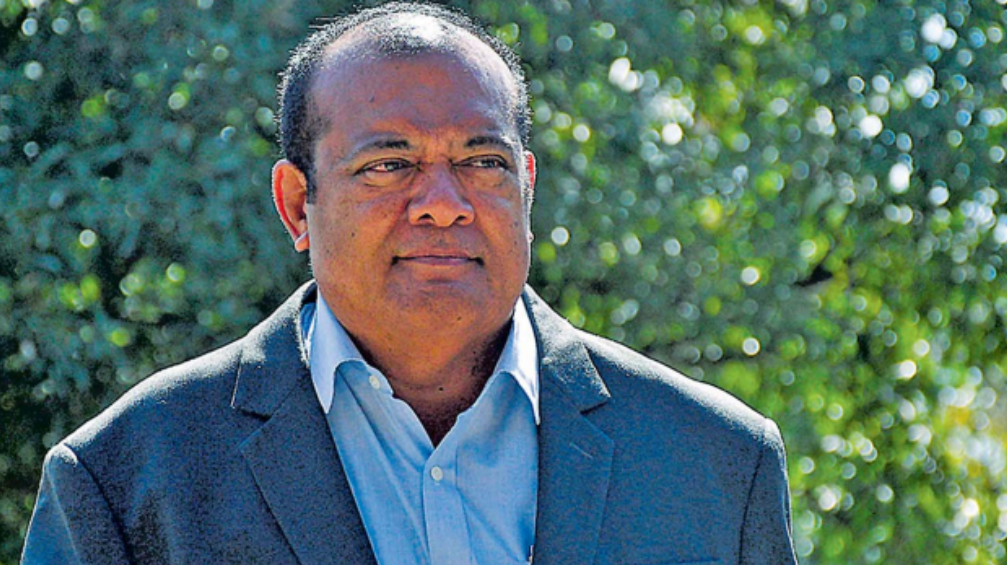
TUI Nayau Ratu Tevita Mara has warned that resolving the question of immunity under the Constitution Amendment Bill will not bring lasting reconciliation if Fiji fails to confront the inequalities and grievances exploited during the 1987 and 2000 coups.
He said the immunity debate must not overshadow the deeper issues that continued to affect the country, stressing that nothing could justify the seizure of power by force.
“The Supreme Court has given its opinion on immunity, and I respect it,” he said.
“But lasting reconciliation will not come from the law alone, whatever the law provides. If we settle the question of immunity while leaving untouched the inequality that was exploited in our past upheavals, and the drug crisis now compounding it, we will not have addressed the causes.”
He said many iTaukei families remained on the margins of Fiji’s commercial economy, despite the potential of their land and marine resources to generate prosperity.
“Fifty-six years after independence, too many iTaukei families still stand at the edge of the nation’s commercial life, on land and sea that should be bringing them prosperity.
“These are among the grievances that were left unaddressed and then exploited in 1987 and in 2000. Nothing can ever justify the taking of power by force. But the conditions exploited then are still with us, and they must be addressed now, not left to another generation.
“Those conditions are made worse by the crisis in our communities. Government has declared a national HIV emergency, and with good reason: around nine in every ten new HIV diagnoses last year were among iTaukei, most of them young, and methamphetamine is driving it. This is not a matter of shame to be hidden. It is reaching into our villages and settlements, and the vanua, our churches and every family must stand with Government in confronting it.”
His comments came amid wider debate over immunity and the country’s constitutional future, with the Tui Nayau urging leaders to address the causes of division rather than focus on the legal question alone.
He also condemned threats made against critics of chiefs on social media, saying traditional institutions should not be defended through intimidation.
“The chiefs of Fiji do not need to be defended with threats.”
He stressed that all communities, including Indo-Fijians descended from the girmitiya, belonged to Fiji and had a place in its future.
“Our Indo-Fijian brothers and sisters, the descendants of the girmitiya, and every community that calls these islands home belong to Fiji, and Fiji belongs to them.”
He called on leaders across traditional, political and religious institutions to promote unity and protect democratic processes.
“The vanua has always understood that to lead is to serve. Let us all find the common path to unity.”