Fiji’s tourism sector is under pressure from every direction. Regulatory requirements are changing, sustainability standards are moving from aspiration to action, workforce and supply chain constraints remain, and climate-related costs are rising.
HOTEC 2026, taking place on October 22-23 at Crowne Plaza Fiji Nadi Bay Resort & Spa in Wailoaloa, is built around the challenges shaping the industry right now.
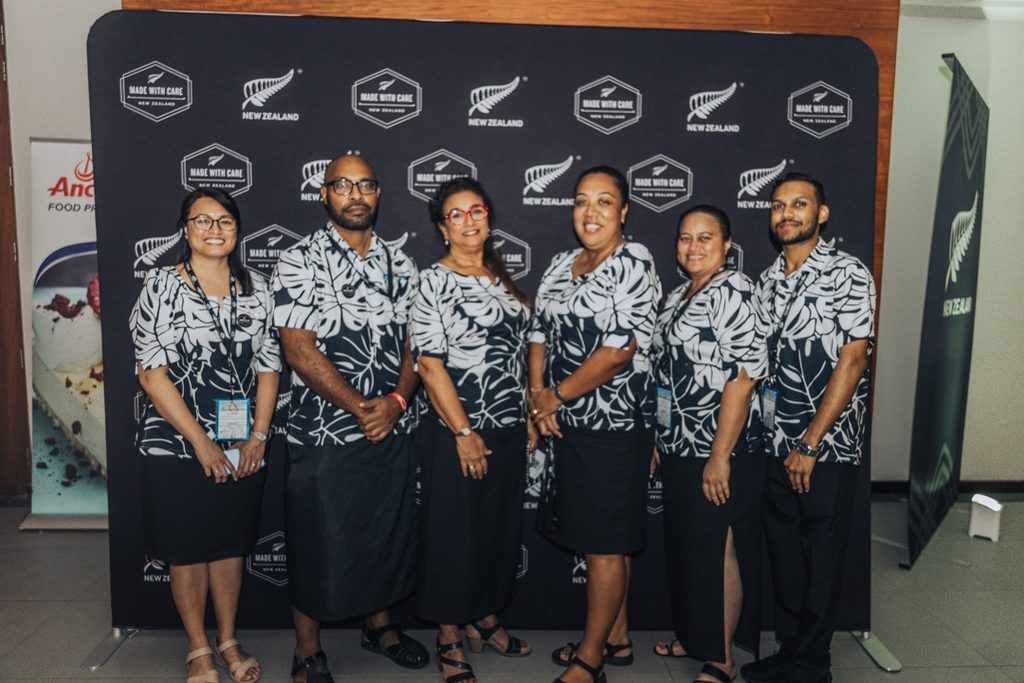
HOTEC is the Fiji Hotel and Tourism Association’s trade show and conference, and it exists for the industry. But it only works if the industry turns up to take advantage of the upcoming changes.
The program gives operators, suppliers and decision makers good reason to be in Nadi for both days. But anyone interested in what happens in tourism and its supply lines or is trying to start a business within it will also find it useful. Day one opens at 9am in the Baravi 2 Ballroom with the official opening. The chief guest is the Deputy Prime Minister and Minister for Tourism and Civil Aviation, who will then walk through the tradeshow from 9.30am.
For exhibitors, that is a direct opportunity to show the Government what the sector’s suppliers and service providers offer. For operators, it is a reminder that the people shaping tourism policy are interested in seeing it at work.
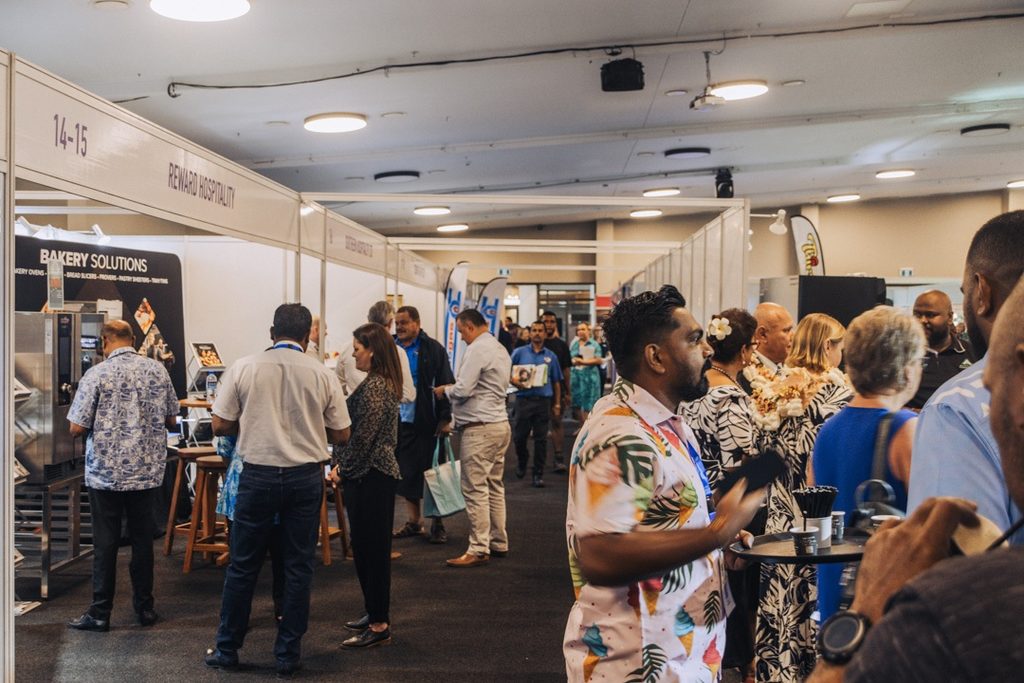
The tradeshow opens at 8am on both days, with appointments built in so that buyers and exhibitors can meet properly rather than in passing.
A free coffee station keeps the foyers busy, and the barista, cooking and cocktail competitions run across both days. They will showcase the skill in Fiji’s kitchens, cafes and bars, and they give visitors a reason to stay on the floor and keep talking.
The information sessions are where the conference side of HOTEC earns its place. Thursday’s sessions are sponsored by the Pacific Ocean Litter Project, and the first – “The Regulatory Reset” runs from 10:30am to 12:30pm.
The keynote comes from the Government of New Caledonia, which adds a regional view of how another Pacific destination manages change.
The panel includes the Ministry of Tourism and Civil Aviation and the Ministry of Employment’s labour standards directorate, with the Fiji Revenue and Customs Service expected to join, subject to confirmation.
Many operators have had to absorb new requirements in a short period, often with limited guidance on how they apply in practice. Hearing from the agencies that administer those rules, and being able to put questions to them, is always a plus.
The second session, “From Fiji’s Tourism Framework to Business Practice”, runs from 2pm to 4pm and picks up where the first leaves off. The South Pacific Tourism Organisation provides the keynote and joins a panel with the Ministry of Tourism and Civil Aviation and a representative from Outrigger Resort, so the operator’s perspective sits alongside the policy one.
A framework on paper does not change how a hotel or tour operator runs. What matters is what it asks of a manager on Monday morning, and what it costs to meet. This should be a must-see for all our sustainability and regulatory practitioners.
Thursday closes with a networking cocktail from 6pm to 9pm in the Baravi Ballroom, sponsored by New Zealand Trade and Enterprise. Tourism is a relationship business.
Much of what gets done in this industry starts with a conversation between people who might not otherwise meet, and an evening set aside for that is as useful as any session.
Friday turns to the people and places that tourism depends on with sessions sponsored by New Caledonia Trade and Invest. “People, Place and Local Value” runs from 10am to 12pm.
The keynote comes from a cocoa grower and plantation owner, a useful reminder that tourism’s supply chain starts on farms and in villages as much as in hotel kitchens.
The panel brings together Nukubati, the Ministry of Employment and Forge Pacific. Hotels and resorts rely on skilled staff, reliable local suppliers and the goodwill of the communities around them.
Those relationships need work, and the session is a chance to hear what is working in practice.
We recommend that purchasing and sustainability staff, along with interested farmers and kitchens that run their own gardens – all attend to learn something different.
The final session “Resilience Pays”, runs from 2pm to 4pm and looks at reducing cost, climate risk and environmental impact. The Secretariat of the Pacific Regional Environment Programme gives the keynote, and FUSO of Japan joins the panel.
A hotel engineering or management representative is still to be confirmed. The title is deliberate. For many businesses, the case for resilience is now a financial one.
Energy, water, waste and storm damage all show up on the balance sheet, and operators who plan for them are better placed than those who react afterwards. Think you know about the latest technology for recycling – come join us to find out.
HOTEC closes with the Gala Dinner and Awards Night from 6pm in the Baravi Ballroom, sponsored by the Australian Trade and Investment Commission and Trade and Invest Queensland. The evening recognises achievement within the industry, and it is a fitting way to end two days spent on the issues that decide how the sector performs.
Support from the industry is critical. Every session, competition and meeting on this programme depends on operators, suppliers and partners choosing to take part. Exhibitors invest in a booth because they expect buyers to walk the floor. Sponsors back the event because they expect the industry to be in the room. Where that happens, HOTEC becomes a working market, and a place where regulatory and operational questions get asked in front of the people who can answer them.
Hotel and resort managers, tour operators, suppliers and our partners in government and the private sector are invited – send your teams, and book appointments with exhibitors ahead of time.
The program is provisional, and some associated events are still to be confirmed, so please check for updates before you travel. See you there!
FANTASHA LOCKINGTON is the CEO of Fiji Hotel and Tourism Association. The views expressed are not necessarily those of The Fiji Times. To share a comment or thoughts on the article, please send email to info@fhta.com.fj